
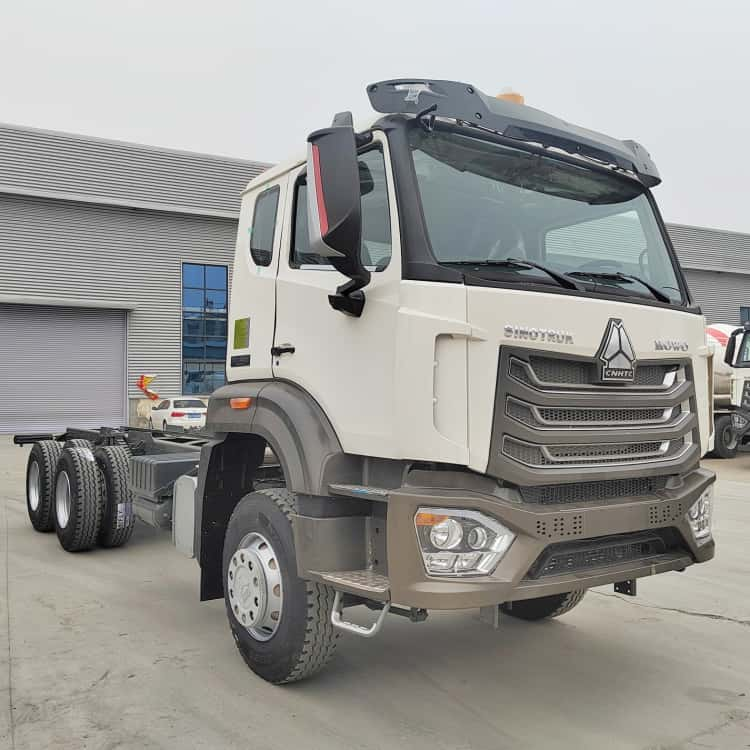
Reman Howo NX 371 6×4 Chassis Truck
REMAN ROAD reman Sinotruk 6×4 chassis truck balances stable chassis performance and controlled procurement cost, supporting fleets to expand special‑purpose vehicle asset scale under budget constraints.
Reman Sinotruk 6×4 Chassis Truck Description
- For refitting enterprises and engineering fleets facing capital pressure, REMAN ROAD reman 6×4 chassis truck provides a practical alternative to brand‑new bare chassis.
- After standardized chassis reman processing, reman 6×4 chassis truck achieves near‑new mechanical performance, lowers one‑time procurement outlay, and reduces hidden breakdown risks compared with ordinary used bare chassis for subsequent upper‑body assembly.
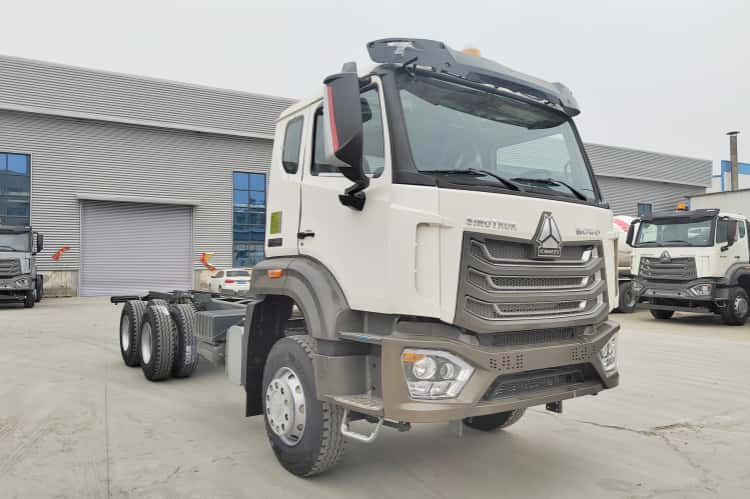

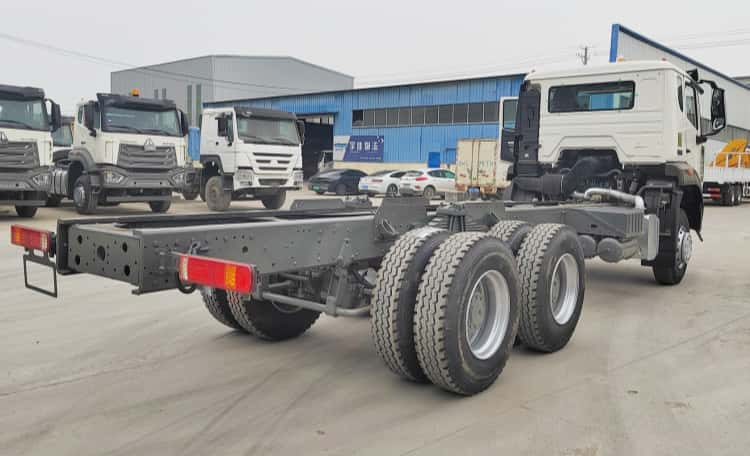
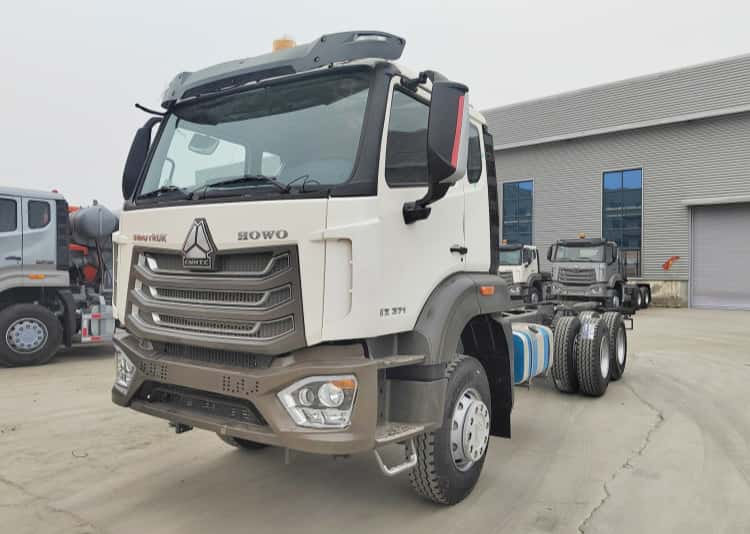
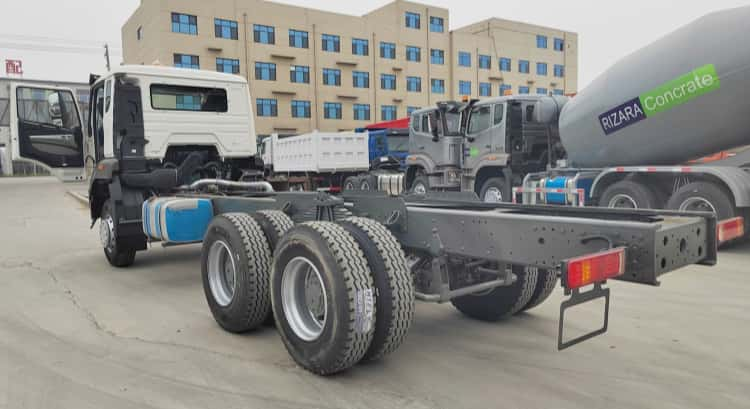
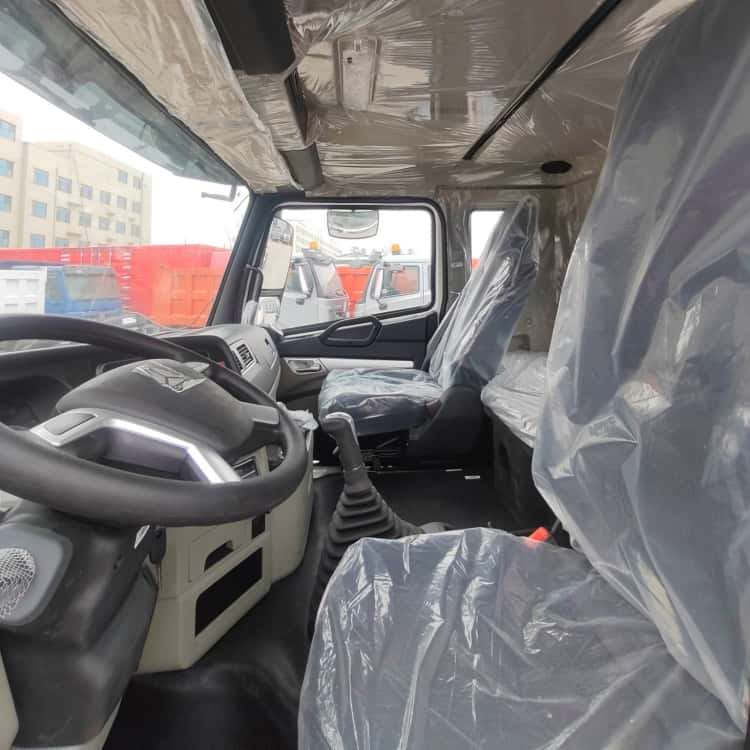
Specification Table
- Model: Reman Howo NX 371 6×4 Chassis Truck
- Engine: Remanufactured engine, full disassembly + dynamometer bench test, performance reset to OEM near‑new standard
- Axle: Heavy‑duty reinforced axles, reman NDT ultrasonic crack inspection, bearings & seals fully renewed
- Gearbox: 10‑speed manual with PTO interface, remanufactured, component screening, wear calibration and PTO function verification
- Frame Main Beam: Original heavy‑duty frame, reman full‑range NDT scanning, mounting‑point thread repair & deformation correction
- Cab: Original HOWO cab, reman structural inspection, rust removal and interior refurbishment
- Fuel Tank: 400L steel fuel tank, cleaned, pressure‑tested and leak‑checked during reman workflow
- Suspension: Multi‑leaf spring, reman fatigue inspection, bushings & shock absorbers mandatory replacement
- Brake System: WABCO brake assembly, reman overhaul of valves, air chambers, all rubber seals replaced
- Wheel & Tyre: Heavy‑duty tyres, wheel hub inspection, bolt torque calibration
Risks of Hidden Fatigue at Chassis Mounting Points for Refitting Application
Mounting‑point hidden fatigue is the most overlooked safety hazard for second‑hand bare chassis used for special‑vehicle refitting, and forms a core target of standardized bare‑chassis reman.
- Long‑term heavy load will generate subsurface micro‑cracks around frame mounting holes, which cannot be spotted by visual observation.
- After superstructure installation, working stress will amplify these invisible cracks and eventually trigger frame fracture during site operation.
- Formal reman uses NDT equipment to scan every mounting hole and reinforcement welding seam on the whole main frame.
- Reman traceability files record mounting‑point inspection data, providing objective safety proof for refitting factories and end customers.
Component‑Grading Logic for Chassis Remanufacturing
Scientific component grading is the technical core of bare‑chassis reman, defining which assemblies can be reused, repaired or scrapped, separating formal reman from random second‑hand chassis refurbishment.
- Reusable assemblies: pass fatigue inspection and OEM dimensional tolerance standards; go through precision cleaning and surface restoration before reassembly.
- Repairable assemblies: slight wear within machining allowance; implement thread repairing, straightening or honing to restore specification requirements.
- Mandatory‑replaced assemblies: fatigue‑limited parts including bearings, sealing elements, rubber pipelines, high‑strength fasteners and suspension bushings regardless of outward appearance.
- Scrap assemblies: parts with material cracking, permanent distortion or wear beyond repair allowance must enter material recycling and cannot be assembled onto reman bare chassis.
RFQ
- Q1: Why does reman bare chassis need dedicated PTO and mounting‑point inspection that finished‑vehicle reman does not emphasize?
A1: Bare chassis are designed for later custom super‑structure installation. Mounting holes bear extra assembly stress, while PTO assemblies undertake external power‑output tasks for mixers, tank trucks and other special devices. These positions face unique failure risks after refitting, so enhanced inspection and restoration are required in bare‑chassis reman procedures. - Q2: If a reman 6×4 chassis truck passes static visual inspection, does that guarantee its key assemblies are fully qualified for refitting?
A2: Not guaranteed. Static inspection only checks outward conditions. If core assemblies skip independent bench‑load testing before reassembly, internal hidden defects may not appear until superstructure is fitted and put into actual operation. Standard reman 6×4 chassis truck requires component‑level bench validation first, followed by final chassis acceptance. - Q3: Can remanufacturing increase the original design load capacity of a bare chassis?
A3: No. Genuine reman cannot lift the factory‑defined load limit of bare chassis. Its target is restoring the frame back to original design load‑bearing capability. Bare chassis suffering unrecoverable structural damage will be eliminated in pre‑reman screening instead of being modified to bear higher payload. - Q4: What risks will refitting enterprises face when purchasing pseudo‑reman 6×4 chassis truck?
A4: Pseudo‑reman 6×4 chassis truck usually only receive cleaning and repainting without full disassembly and frame fatigue detection. Hidden frame‑mounting‑point micro‑cracks, degraded PTO assemblies and fatigued load‑bearing parts remain. After upper‑body installation, frame fracture or power‑output failure may occur during site operation, bringing severe safety accidents and huge economic loss for refitting projects.