
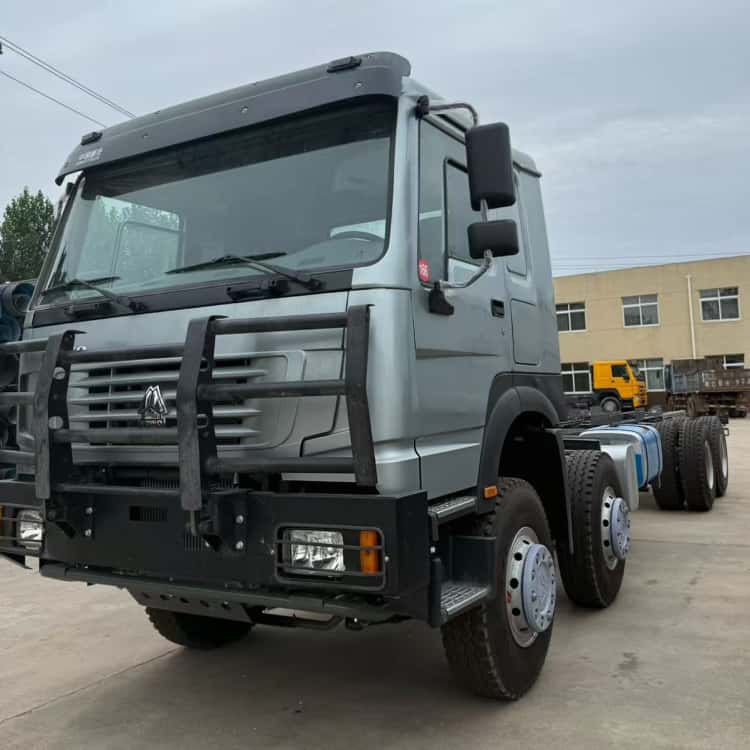
Reman Howo 8×4 Chassis Truck
Non‑destructive fatigue inspection runs through the whole reman workflow for this REMAN ROAD reman Howo 8×4 chassis truck, identifying micro‑cracks at mounting zones invisible to visual observation.
Reman Howo 8×4 Chassis Truck Description
- Visual checking cannot discover subsurface micro‑cracks at frame mounting holes and reinforcement areas, which will expand rapidly after upper‑body installation under working load and trigger serious safety failures.
- REMAN ROAD reman 8×4 chassis truck uses ultrasonic and magnetic‑particle NDT across all refitting‑relevant frame zones in reman phase, screening out components with invisible fatigue damage to guarantee structural safety after superstructure fitting.
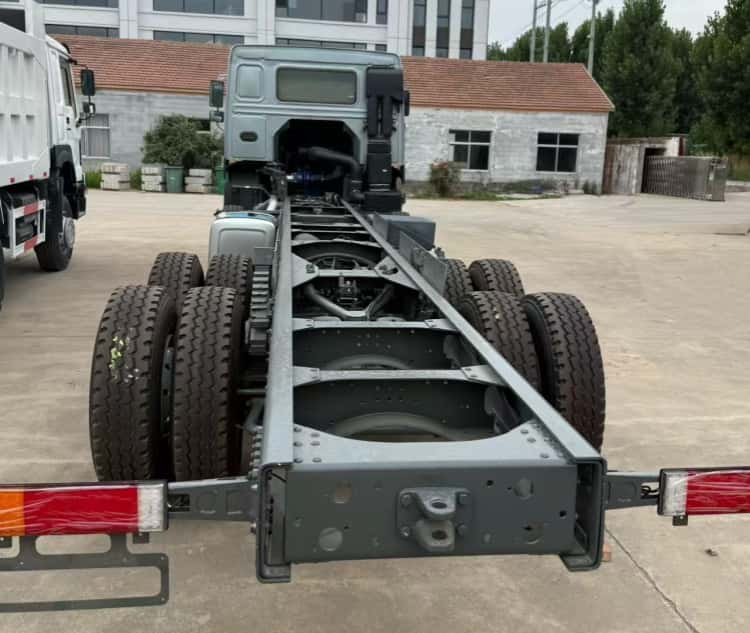
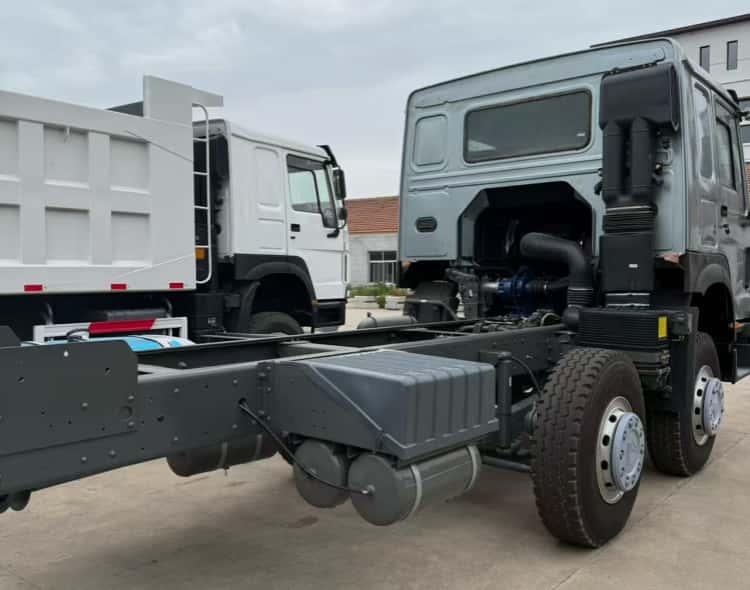
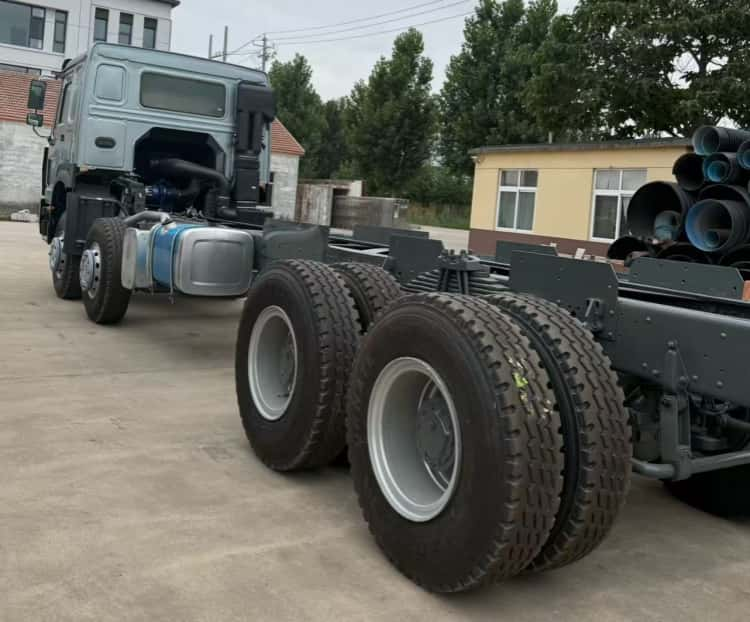
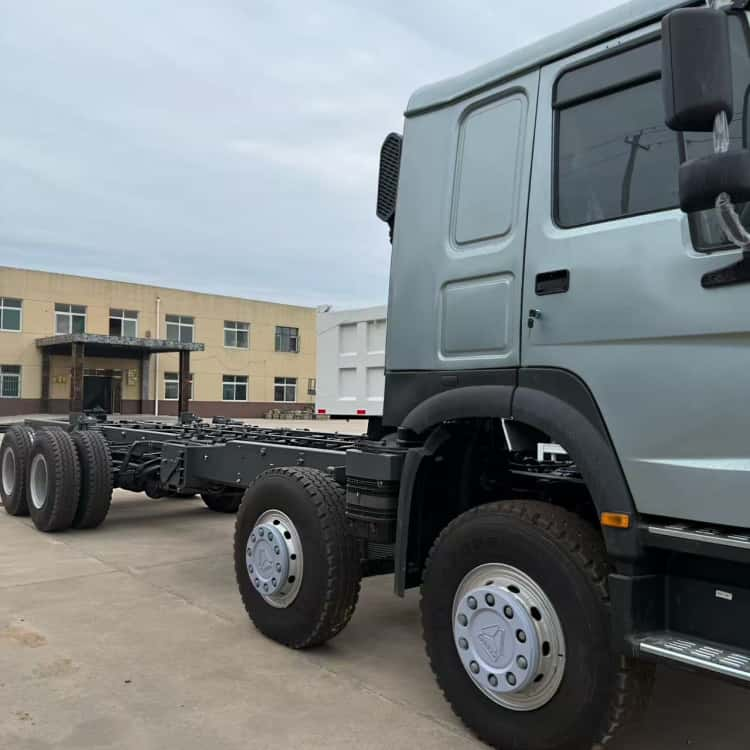
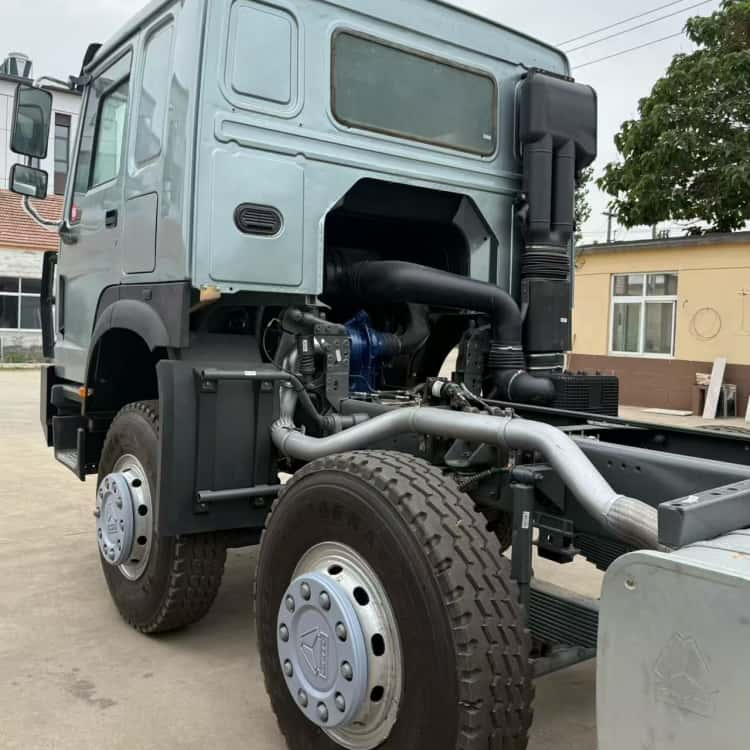
Specification Table
- Model: Reman Howo 8×4 Chassis Truck
- Engine: WD615.47, remanufactured, full disassembly + dynamometer bench test, performance reset to OEM near‑new standard
- Axle: Heavy‑duty reinforced axles, reman NDT ultrasonic crack inspection, bearings & seals fully renewed
- Gearbox: 10‑speed manual with PTO interface, remanufactured, component screening, wear calibration and PTO function verification
- Frame Main Beam: Original heavy‑duty frame, reman full‑range NDT scanning, mounting‑point thread repair & deformation correction
- Cab: Original HOWO cab, reman structural inspection, rust removal and interior refurbishment
- Fuel Tank: 400L steel fuel tank, cleaned, pressure‑tested and leak‑checked during reman workflow
- Suspension: Multi‑leaf spring, reman fatigue inspection, bushings & shock absorbers mandatory replacement
- Brake System: WABCO brake assembly, reman overhaul of valves, air chambers, all rubber seals replaced
- Wheel & Tyre: Heavy‑duty tyres, wheel hub inspection, bolt torque calibration
The Real‑World Value of Reman Traceability Files for Refitting Enterprises
Reman traceability archives are not simple marketing attachments; they are auditable technical evidence proving bare chassis completed formal industrial reman processing.
- Complete files include incoming chassis qualification data, full‑disassembly records, frame mounting‑point NDT reports and component‑grading sheets.
- It also records replaced‑parts list, key‑assembly bench‑test parameters and final bare‑chassis acceptance indicators.
- Refitting factories can attach these documents into finished special‑vehicle delivery files for end‑customer reference.
- Any so‑called reman 8×4 chassis truck without accessible traceability records cannot prove compliance with industrial reman specifications.
Common Misunderstandings About Load‑Bearing Capacity of Reman 8×4 Chassis
Multiple misconceptions exist around load capacity of reman 8×4 chassis truck, confusing purchasing decisions for refitting enterprises.
- Genuine reman cannot raise the original factory design load limit of the bare chassis; it restores the frame back to original design load‑bearing performance.
- Bare chassis with unrecoverable frame structural damage will be eliminated in pre‑reman screening phase, instead of being “strengthened” to bear higher payload.
- Simple surface repainting cannot recover load‑bearing capacity reduced by accumulated frame fatigue, even though the chassis looks brand‑new.
- The maximum allowable super‑structure load must be judged based on frame inspection data rather than sales introduction or exterior appearance.
RFQ
- Q1: What practical value do reman traceability documents bring for refitting factories purchasing bare chassis?
A1: Traceability archives store chassis incoming‑inspection data, frame mounting‑point NDT reports, component‑grading records and key‑assembly bench‑test results. Refitting factories can attach these objective technical documents into finished special‑vehicle delivery files for end users, support internal asset audit, and provide auditable data for enterprise ESG low‑carbon assessment. - Q2: Which components must be mandatorily replaced during bare‑chassis remanufacturing?
A2: Regardless of outward appearance, reman standards enforce replacement for all bearings, sealing elements, suspension bushings, friction assemblies, high‑strength connecting fasteners and ageing rubber pipelines. These parts accumulate invisible fatigue under chassis load, and become major failure sources for special vehicles refitted on reman bare chassis if retained. - Q3: Why is full chassis disassembly irreplaceable for genuine reman Howo 8×4 chassis truck production?
A3: Without full disassembly down to individual‑part level, hidden wear, thread damage and subsurface fatigue cracks inside steering, PTO and axle assemblies cannot be exposed. Partial‑assembly‑only processing can only fix visible faults, cannot eliminate chassis‑wide accumulated fatigue, and cannot realize genuine bare‑chassis asset‑life reset. - Q4: How does reman 8×4 chassis truck realize carbon‑reduction value for the special‑vehicle refitting industry?
A4: Manufacturing new heavy‑duty bare chassis consumes massive raw‑material smelting, casting and welding energy. Standard reman retains qualified original frame, engine block and axle‑housing assemblies, avoiding repeated carbon emissions generated by producing these large components from mineral raw materials. Carbon‑reduction quantity can be calculated based on reman traceability data for corporate sustainability evaluation.