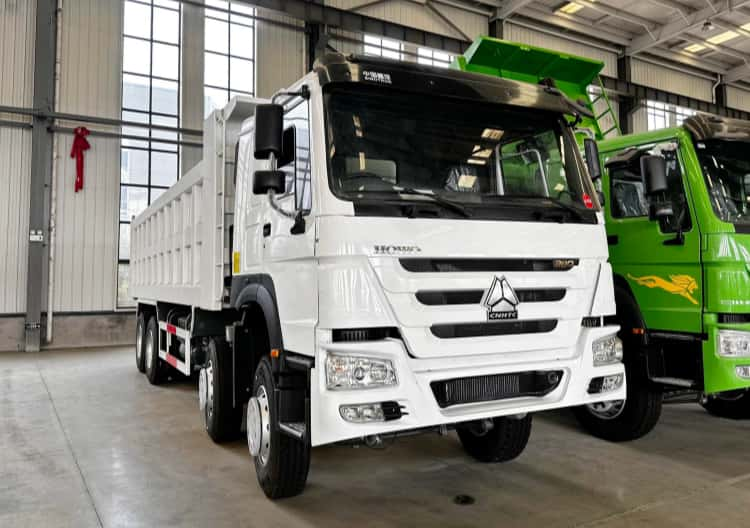
Common Myths About Reman Heavy Truck
Introduction
Misleading myths spread widely in the heavy-duty truck market and often stop fleet managers from making rational asset decisions. Many of these misunderstandings come from mixing genuine reman truck with poorly executed rebuilds, repairs and cosmetic refurbishment. This article breaks down the most common myths about reman heavy trucks, separates marketing rumors from engineering facts, and helps buyers evaluate reman assets based on the REMAN ROAD standard.
Myth 1: Reman heavy trucks are just old used trucks with a new paint job
Fact: Painting and cleaning are only surface steps, not remanufacturing. A true reman heavy truck for sale undergoes full disassembly, component inspection by measurement and NDT testing, batch replacement of all time-limited wear parts, OEM-standard reassembly, system recalibration and vehicle-level performance validation. Fresh paint is cosmetic finishing, not proof of reman quality. Refurbished painted trucks without these core steps are not certified reman units.
Myth 2: Reman heavy truck cannot match the performance of brand-new trucks
Fact: Properly reman truck are restored to OEM performance specifications. The goal of genuine remanufacturing is lifecycle reset. Power output, torque, braking performance and emission targets are verified in end-of-line testing to align with original factory benchmarks. The difference is not performance; it is that reman uses qualified original structural cores instead of newly cast raw materials.
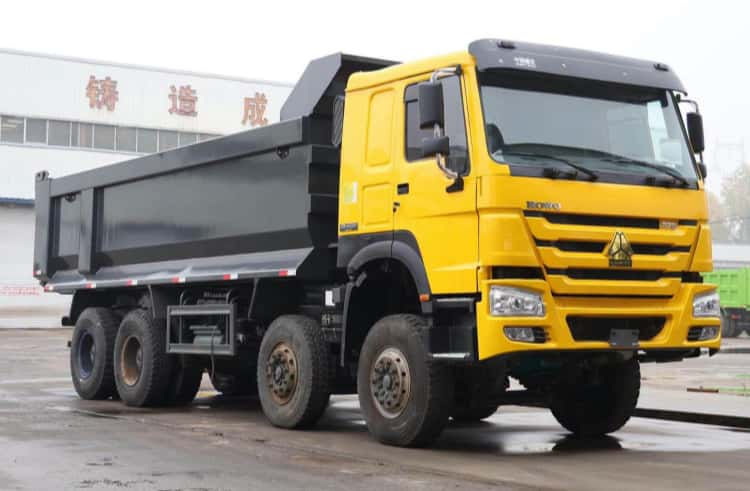
Myth 3: All reman trucks have shorter service life than new trucks
Fact: The service life depends on core quality and reman execution, not simply whether it is reman. If the core passes strict structural screening and all wear/fatigue parts are fully renewed, the reman heavy truck enters a new predictable service cycle. Its failure curve will be similar to a new truck under the same duty cycle. Poor-quality rebuilds, rather than genuine reman products, are what lead to short lifespans.
Myth 4: Reman heavy trucks do not come with reliable warranty coverage
Fact: Genuine reman truck carry formal, full-assembly warranty. Warranty for standardized remanufacturingg covers the whole vehicle or major assemblies, supported by complete traceability files including inspection logs and test reports. Low-grade rebuilds and repaired vehicles often only offer short, partial warranties on individual replaced parts, which should not be confused with reman warranty terms.
Myth 5: Remanufacturing is the same as overhaul
Fact: Overhaul is scheduled maintenance; standardized remanufacturing is a full lifecycle reset process. Overhaul usually only replaces obviously damaged or heavily worn parts based on visual checks. It does not require full disassembly, systematic renewal of all scheduled wear components or mandatory vehicle-level performance testing. Overhaul extends remaining life temporarily, while reman resets the lifecycle from the ground up.
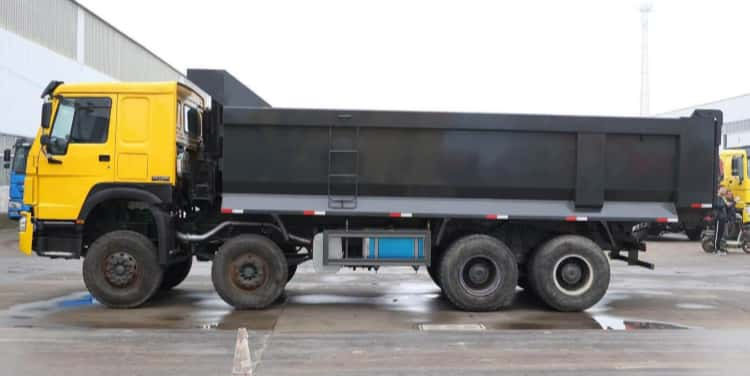
Myth 6: Reman trucks are only suitable for light, low-demand work
Fact: Genuine reman truck are built for heavy-duty working conditions. Mining, quarry, construction and short-distance heavy haulage are core application scenarios for reman dump trucks, tractors and special chassis. The same OEM performance standards and safety testing apply. The limiting factor is whether the supplier follows standardized reman rules, not the nature of reman itself.
Myth 7: Reman is just a cheap alternative with higher long-term risk
Fact: Standardized remanufacturing optimizes total cost of ownership, not just upfront price. While the purchase price is lower than a new truck, standardized genuine reman delivers predictable uptime and clear warranty. The real risk comes from buying mislabeled low-grade rebuilds at reman prices. When audited against proper reman standards, reman can reduce fleet CAPEX without sacrificing operational stability.
Myth 8: Any old truck can be turned into a reman truck
Fact: Core qualification is the first hard gate of remanufacturing. Trucks with frame cracks, permanent deformation, severe collision damage or excessive material fatigue will be rejected directly and sent for recycling. No amount of new parts can fix irreversible structural failure. Only cores retaining sufficient OEM safety margins qualify for reman workflows.
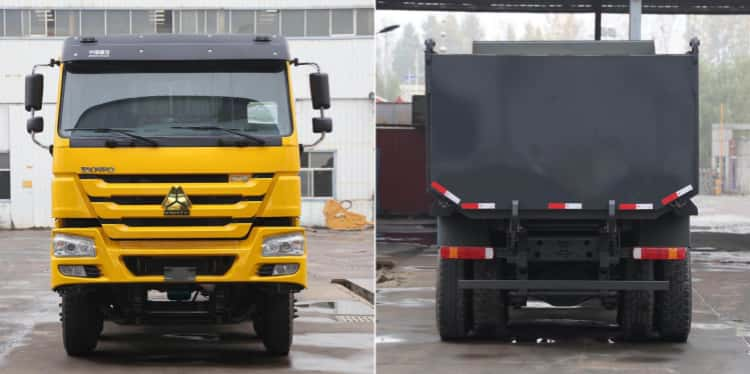
How REMAN ROAD Eliminates These Myths?
REMAN ROAD sets unified, auditable standards for heavy truck genuine remanufacturing. We clearly define the required process gates, acceptance criteria and traceability rules. When every genuine reman truck follows the same engineering rules, buyers can judge assets by documented evidence rather than industry rumors. Our standard helps the market distinguish genuine reman from inferior rework.
Closing Summary
Most negative views about reman heavy truck stem from confusing certified reman with low-quality repair and refurbishment. Genuine reman is not a patched-up old truck. It is an engineering reset based on qualified cores, data-driven inspection and full performance validation. Always verify process records and test reports instead of relying on common market myths when evaluating reman truck suppliers.