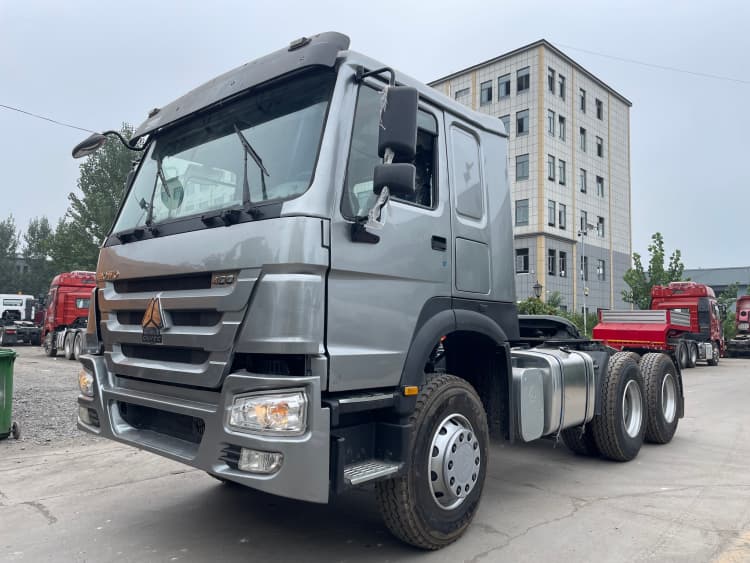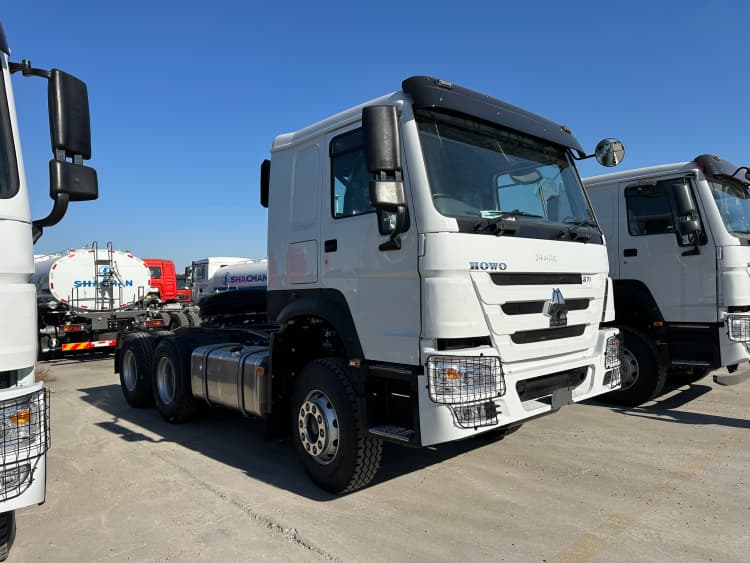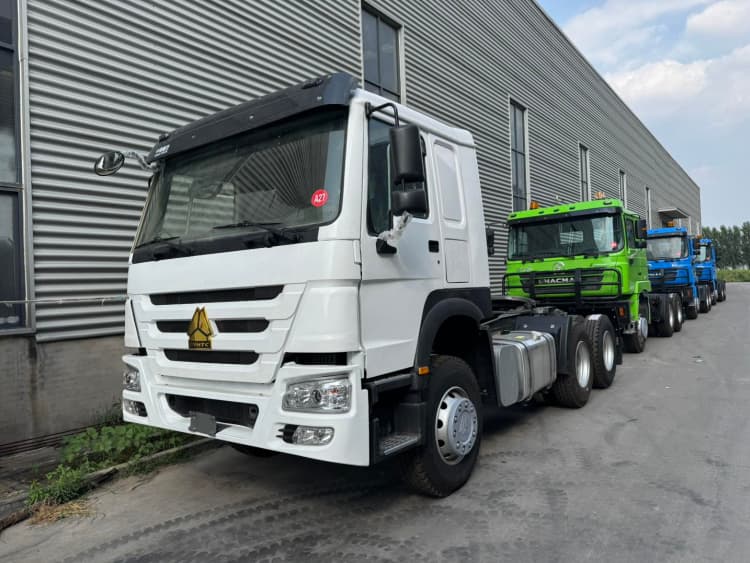
The Engineering Definition of True Remanufacturing
Introduction
Many market descriptions of remanufacturing rely on vague commercial language, focusing only on cost savings or environmental benefits. From an engineering perspective, true remanufacturing is not a loose concept, nor a subjective workshop practice. It is a controlled, repeatable industrial process with clear technical boundaries and measurable acceptance targets. This article delivers the formal engineering definition of true remanufacturing, breaks down its mandatory technical attributes, and helps procurement and engineering teams judge whether a product meets the standard set by REMAN ROAD.
Formal Engineering Definition
True remanufacturing is a standardized industrial lifecycle-reset process applied to a prequalified used core (vehicle, engine, axle, transmission or other major assembly). The core is fully disassembled down to individual components.
Each part is cleaned, inspected and measured against OEM dimensional, material and functional specifications. Non-conforming components are either restored within permitted OEM machining limits or scrapped and replaced with new OEM-grade equivalents. All time-limited wear, friction and sealing components are renewed systematically.
After reassembly following OEM assembly procedures, torque values and clearances, the assembly undergoes system calibration and mandatory performance validation. The final output shall achieve functional performance, reliability and safety levels equivalent to the original new unit, with documented traceability and defined warranty coverage.
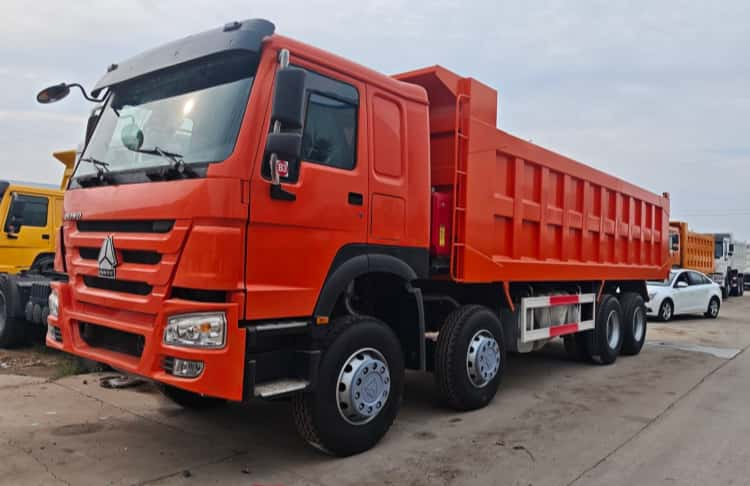
The Four Non-Negotiable Engineering Attributes
These four attributes separate true remanufacturing from repair, overhaul and refurbishment from an engineering standpoint.
- Pre-qualified core foundation The load-bearing structural substrate of the core must retain its original design safety margin. Structural integrity is verified by dimensional measurement and non-destructive testing. Cores with irreversible damage, excessive fatigue or deformation are excluded before the process starts.
- Full disassembly and component-level assessment Selective teardown is not permitted. Every component is isolated for inspection, so hidden degradation below the surface can be identified. Condition assessment is based on quantitative measurement data, rather than visual judgement or operator experience.
- Systematic renewal of all scheduled wear components Replacement is not limited to failed or visibly worn parts. Every part with a defined finite service life, such as bearings, seals, gaskets, piston rings and critical fasteners, is replaced according to a fixed standard list. This removes the risk of sequential, near-term secondary failures.
- Quantified performance validation to OEM benchmarks The finished assembly must pass functional testing with measurable indicators: power, torque, pressure, leakage, emission, braking response and so on. Pass/fail criteria are fixed and traceable, not a simple “it runs” check.
Clear Engineering Boundaries
To avoid definition drift, true remanufacturing is distinguished from adjacent technical services by its engineering objectives.
- Repair: Corrects a single fault to restore basic function. No lifecycle reset objective.
- Overhaul: Partial inspection and selective part replacement, usually to extend remaining service life within the existing aging curve. No requirement to reset all wear components or match original new-unit performance.
- Refurbishment: Primarily cosmetic improvement and minor fault correction, with no component-level measurement regime or systematic wear-part renewal.
- Recycling: Recovers raw material value, discarding the finished geometry and precision processing value of the core.
Only true remanufacturing targets restoring the asset to OEM-equivalent performance and reliability.
Engineering Constraints That Cannot Be Compromised
Several hard constraints are embedded in the definition to prevent unsafe or substandard reman output.
- Restoration machining (boring, honing, surface treatment) must stay strictly within OEM published allowable limits. Over-machining reduces wall thickness and structural strength, and is prohibited.
- Reused components are limited to static structural parts that can repeatedly pass inspection. Dynamic friction parts are not eligible for reuse regardless of appearance.
- Calibration must match original factory control maps. Mechanical compliance alone cannot compensate for mismatched ECU, transmission or after-treatment tuning.
- Traceability records must capture core ID, inspection data, replaced parts, calibration parameters and final test results for audit.
Why This Engineering Definition Matters for Fleets?
A shared engineering definition removes ambiguity in commercial quotations. When a remanufacturers claims to provide reman vehicles, you can audit against these technical requirements, instead of accepting marketing descriptions. It enables consistent comparison between different remanufacturers, supports total cost of ownership calculation, and reduces unexpected downtime caused by misclassified rebuilds.
How REMAN ROAD Uses This Definition?
REMAN ROAD adopts this engineering definition as the baseline of its standard system. All certified reman vehicles and assemblies must satisfy every clause of this definition. Any product missing full disassembly, systematic wear-part replacement or OEM-aligned performance testing cannot carry the REMAN ROAD certified reman vehicles label. This unifies technical expectations across the supply chain.
Closing Summary
In engineering terms, true remanufacturing is a measurable, rule-based lifecycle reset process for qualified cores. Its core promise is not “it works again”, but “it performs reliably to original OEM specification, as if new”. Any reman claim that cannot be supported by inspection data, test records and compliance with the above technical rules fails to meet the true engineering definition.