Comparative ROI Scenarios: New vs Used vs Reman Units
Intro
Fleet leaders often run simple ROI calculations that only compare purchase cost. This oversimplification misses critical variables: depreciation curve, downtime frequency, maintenance rhythm and usable service life. New trucks, regular used trucks and REMAN ROAD certified reman units each have distinct risk and cash flow profiles. ROI is not a fixed ranking; it changes based on workload intensity, retention period and the fleet’s tolerance for unplanned disruption.
Scenario 1: New heavy truck
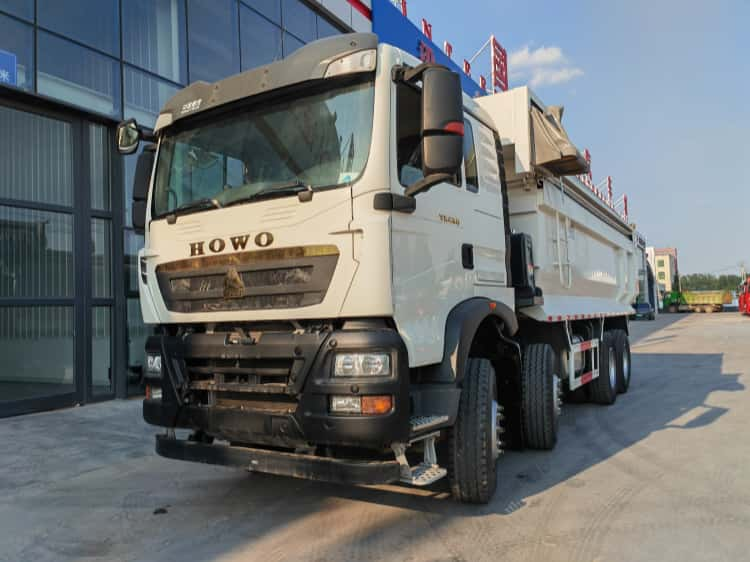
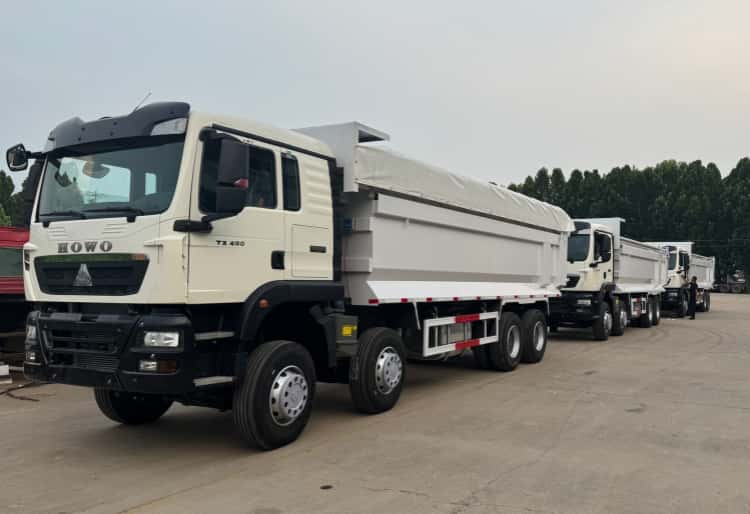
New trucks carry the highest upfront CAPEX and the steepest early depreciation. In the first years, a large portion of the investment vanishes immediately once the vehicle enters service. Its strength lies in low near-term breakdown risk, factory warranty and stable fuel performance. ROI works best for fleets that plan to hold the asset for a very long full lifecycle, run consistent light-to-moderate loads and prioritise minimal supervision.
For short-cycle off-road construction tasks, the fast depreciation often delays positive ROI significantly. The high initial outlay also ties up large amounts of working capital.
Scenario 2: Ordinary used truck
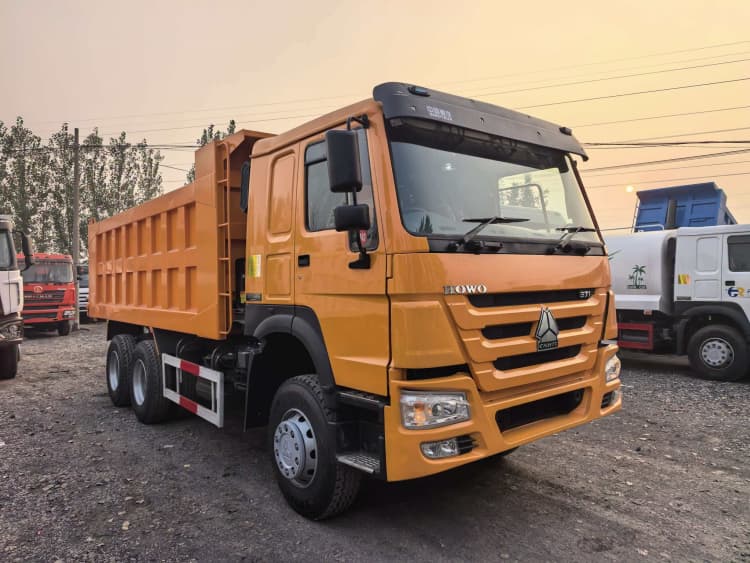
Used trucks have the lowest entry price, but ROI is highly volatile. There is no standardised reset of fatigue, and inspection records are usually incomplete. Hidden structural wear, drifting powertrain clearances and outdated brake components create unpredictable failure events. ROI may look attractive in the first few months, but it can reverse quickly after a major breakdown. Fleets need in-house expert inspection teams to limit risk.
This option suits only buyers with strong internal maintenance capacity and a budget buffer for unexpected repairs. For time-sensitive construction or mining operations, the risk of costly downtime makes the ROI unreliable.
Scenario 3: REMAN ROAD certified reman trucks
Certified reman units sits between the two.
- CAPEX is far lower than new trucks, while quality is controlled by fixed process gates, NDT testing, calibration and third-party audit.
- Depreciation is gentler than new trucks, because the sharp first-year depreciation drop of factory-new vehicles has already passed.
- ROI is driven by predictable fuel performance, scheduled structural inspections and documented residual fatigue margin.
- The duty envelope defines safe workload limits, and the permanent Quality Log supports residual value retention.
This certified reman units scenario delivers the most balanced ROI for most vocational fleets: faster payback than new trucks, and far lower volatility than uncertified used trucks. It is especially effective for fleets running mid-term replacement cycles and targeting stable TCO.
Key variables that shift ROI outcomes
Retention period is decisive. If the fleet keeps assets for 7+ years, new trucks may eventually catch up on ROI. If the turnover cycle is 2–5 years, REMAN ROAD certified reman units usually delivers the strongest return.
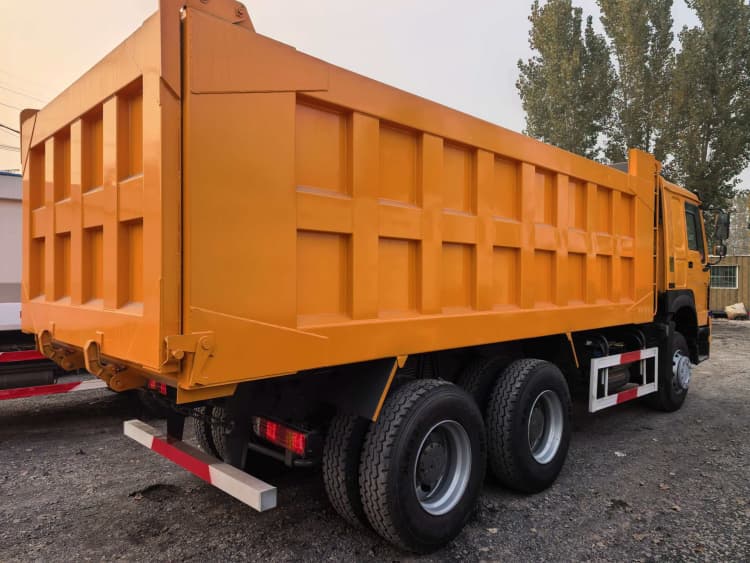
Workload intensity also changes the math. High-stress off-road applications punish undocumented used trucks disproportionately. Even low-mileage used dump trucks with hidden frame fatigue will destroy ROI quickly. Fuel consistency and downtime cost are larger ROI drivers than the initial purchase difference.
Common ROI modelling mistake
Many analysts apply the same failure rate and residual value curve to all three asset types. They ignore that REMAN ROAD certified reman trucks has a calibrated fatigue baseline and traceability, while generic used trucks have no known safety margin. This error makes used trucks look artificially competitive in spreadsheets.
Final Takeaway
New, used and REMAN ROAD certified reman trucks each deliver viable ROI under the right operating conditions. New trucks favour long hold cycles and low risk appetite. Ordinary used trucks carry low entry cost but unstable returns, dependent on strong in-house maintenance capability.
REMAN ROAD certified reman units strikes a balanced ROI profile, combining moderate capital spend, controlled failure risk and predictable residual value, which fits most construction and logistics fleets. ROI modelling must incorporate workload, retention timeline and downtime risk rather than relying only on purchase price.