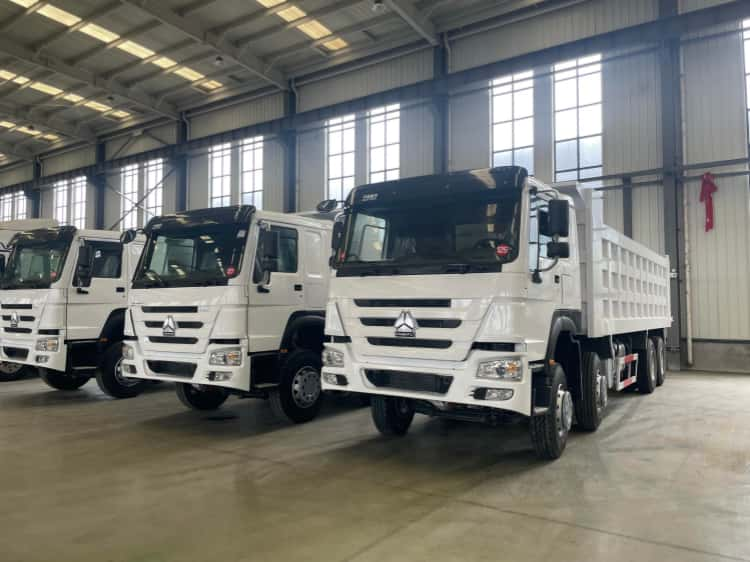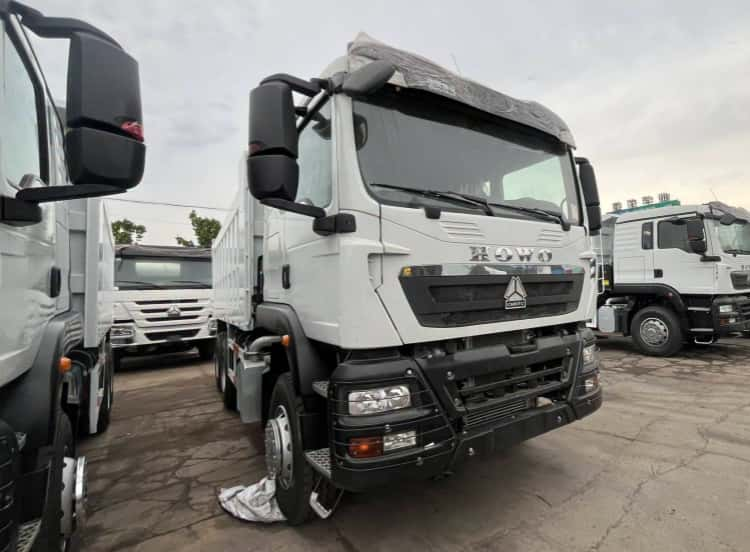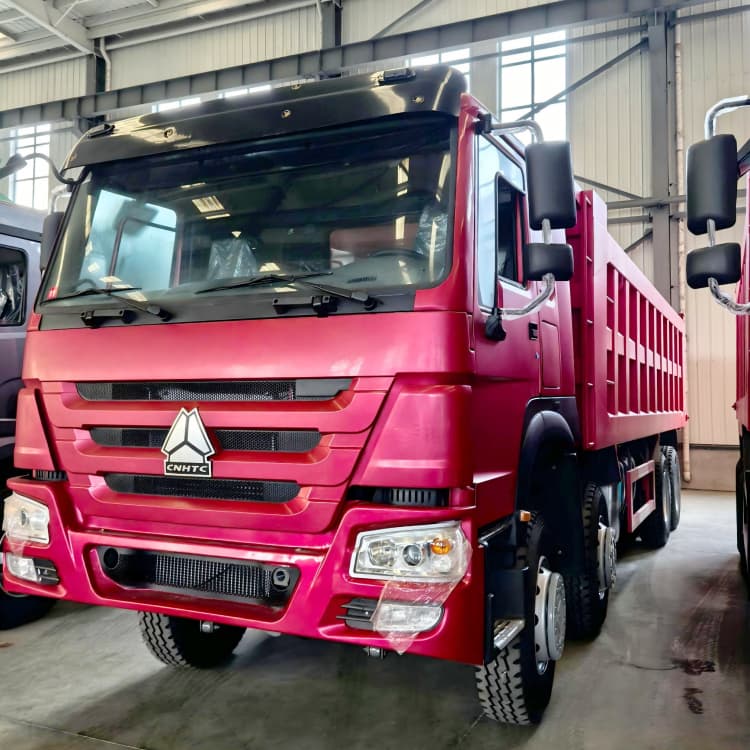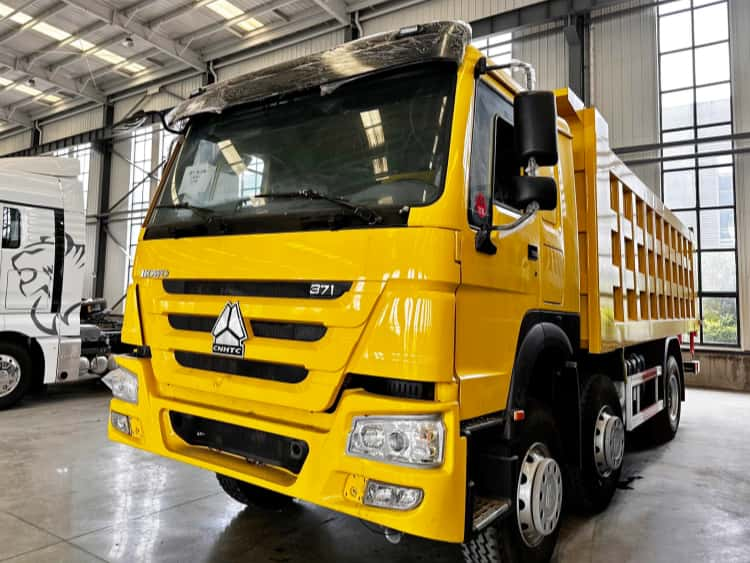
Introduction to Heavy Duty Truck Remanufacturing
Intro
Many fleet buyers confuse remanufactured truck with used truck reconditioning or quick repair work. While a patched-up truck may run temporarily, it lacks a controlled reset of fatigue, clearances and system performance. REMAN ROAD sets a clear, industry-focused definition for heavy duty truck remanufacturing, separating it from informal rebuilds. At its core, rheavy duty truck remanufacturing takes a retired heavy chassis as the base core, and executes a full, standardised truck remanufacturing workflow to restore usable service life under defined safety limits.
What distinguishes heavy duty remanufacturing from repair and refurbishment?
Repair only fixes a known broken part to get the vehicle back into service. Refurbishment mostly addresses surface defects, leaking seals and visible wear, without deep structural inspection.
Heavy duty truck remanufacturing workflow starts with full disassembly of target assemblies, systematic cleaning, grading and non-destructive testing. Every component is judged against fixed thresholds: scrapped if fatigued beyond limits, reworked only within OEM allowable tolerances, or renewed completely. Brake, powertrain and hydraulic systems are calibrated and validated by bench and loaded road testing. The outcome is a vehicle with a documented second lifecycle, not just a fixed fault.
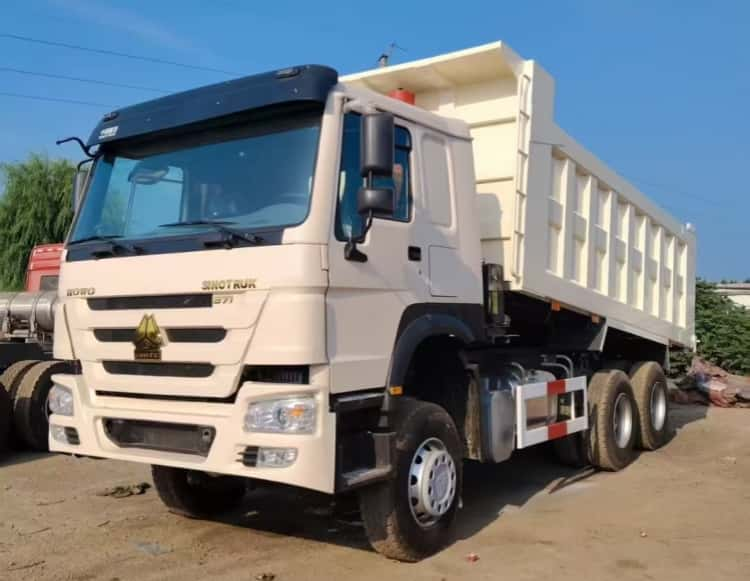
Core intake grading as the starting point
Before heavy duty truck remanufacturing workflow begins, each incoming chassis goes through formal quality grading. Inspectors review service history, frame geometry and corrosion mapping to assign Grade A, B, C or D.
Grade A cores support full-rated operation. Grade B cores carry restricted duty limits. Grade C cores are limited to light workloads. Grade D cores are rejected and sent for recycling. This grading decides the final duty envelope and inspection rules, and is permanently logged under the vehicle’s VIN.
Standard workflow of REMAN ROAD certified reman
The heavy duty truck remanufacturing workflow follows fixed sequential gates.
- First, core screening and grading confirm whether the chassis is eligible.
- Next, full disassembly and multi-stage precision cleaning remove sludge, rust and abrasive contaminants.
- Then NDT and dimensional checks identify hidden fatigue.
- Components are sorted for renewal, rework or scrapping.
- Powertrain, brake and hydraulic assemblies are calibrated back to OEM benchmarks.
- Bench testing and loaded dynamic road testing validate performance.
- A third-party independent audit reviews all records.
Only after passing audit does the truck receive formal certification and a published duty envelope.
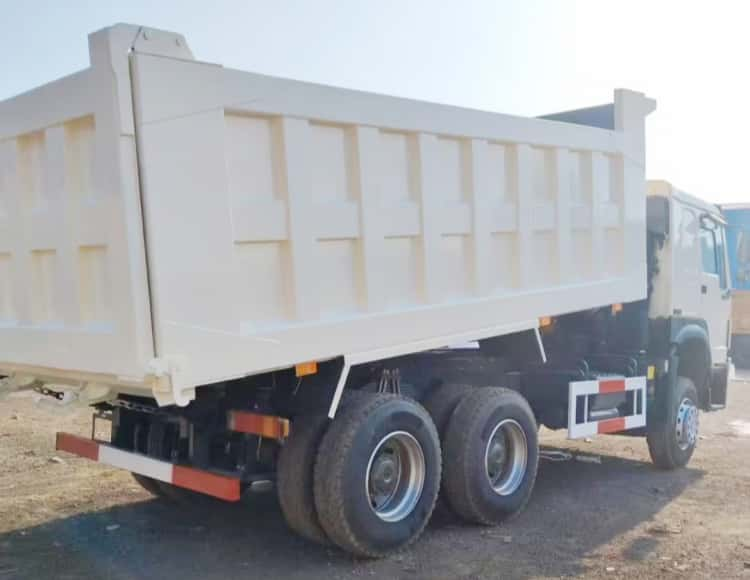
Key value proposition for industrial fleets
Certified remanufactured trucks deliver a middle ground between new trucks and unvetted used units. Capital expenditure is much lower than buying new, while quality and reliability are far more predictable than ordinary used vehicles. Fuel consumption, brake performance and structural safety thresholds are controlled and test-verified.
The immutable VIN Quality Log supports maintenance planning, TCO modelling, warranty defence and residual-value preservation. For construction, logistics and mining support fleets, heavy duty truck remanufacturing creates a flexible way to expand or renew assets without locking up excessive working capital.
Common market misconceptions
A widespread misunderstanding is that remanufactured trucks are inherently “second-class” or less reliable. Poor-quality rebuilds fit that description, but properly standardised reman resets the asset’s performance baseline.
Another myth is that reman means unlimited service life. Every certified remanufactured trucks operates within a clear duty envelope, with scheduled structural inspections to monitor remaining fatigue margin.
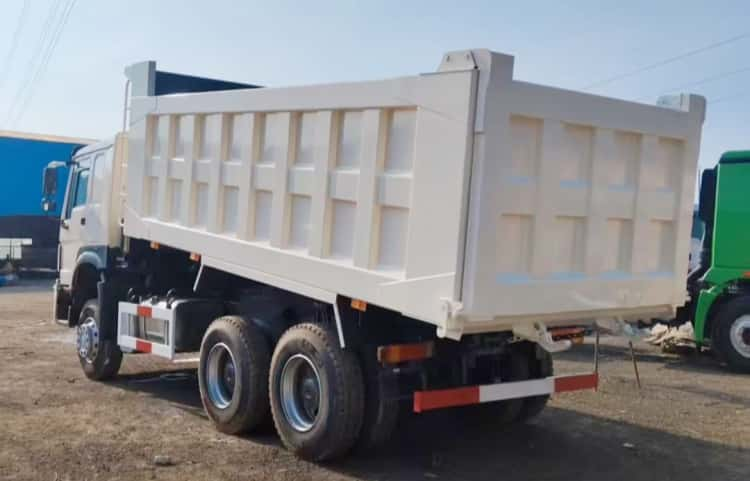
Final Takeaway
Certified remanufactured trucks represent a controlled, engineering-driven asset reset model. REMAN ROAD’s standard differentiates certified heavy duty truck remanufacturing from casual repair and surface refurbishment through graded intake screening, component-level fatigue control, system calibration, load testing and independent audit.
When specified and deployed correctly within its approved duty limits, certified remanufactured trucks offers fleets a balanced option: lower upfront cost, predictable uptime and transparent traceability for stable long-term TCO.