
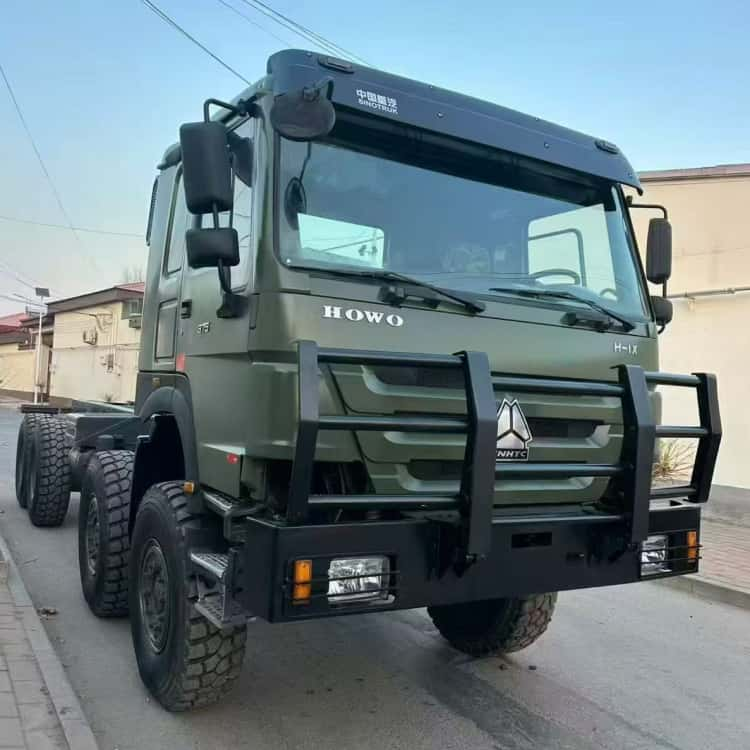
Reman Sinotruk 375 8×4 Chassis Truck
Different from surface‑only repainted used chassis, REMAN ROAD genuine reman Sinotruk 8×4 chassis truck implements full disassembly and systematic component screening for subsequent superstructure installation.
Reman Sinotruk 6×4 Chassis Truck Description
- A large number of bare‑chassis products on the market are only cleaned and repainted second‑hand units mislabeled as remanufactured.
- REMAN ROAD reman chassis truck for sale adheres to formal industrial reman standards: complete disassembly down to single‑part level, frame NDT crack scanning, component classification screening and mandatory replacement of time‑limited fatigue parts, helping refitting factories and end‑user fleets steer clear of risks caused by pseudo‑remanufactured bare chassis.
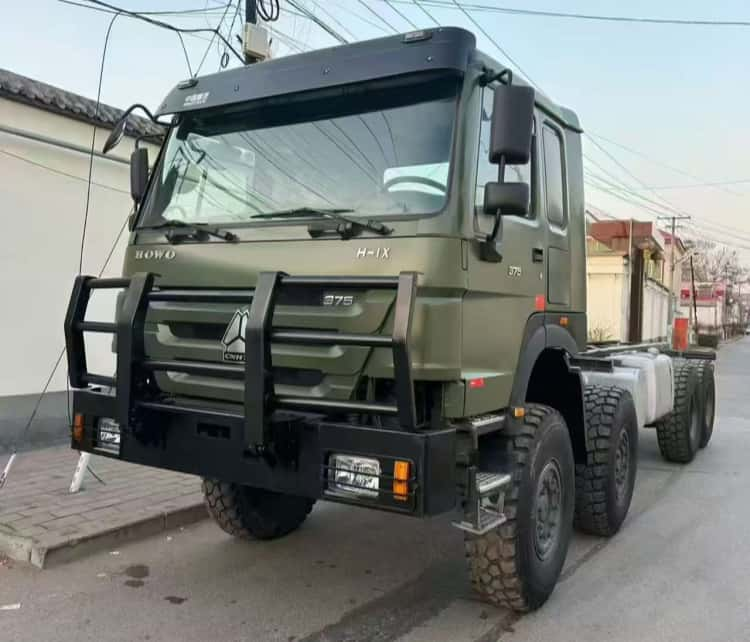
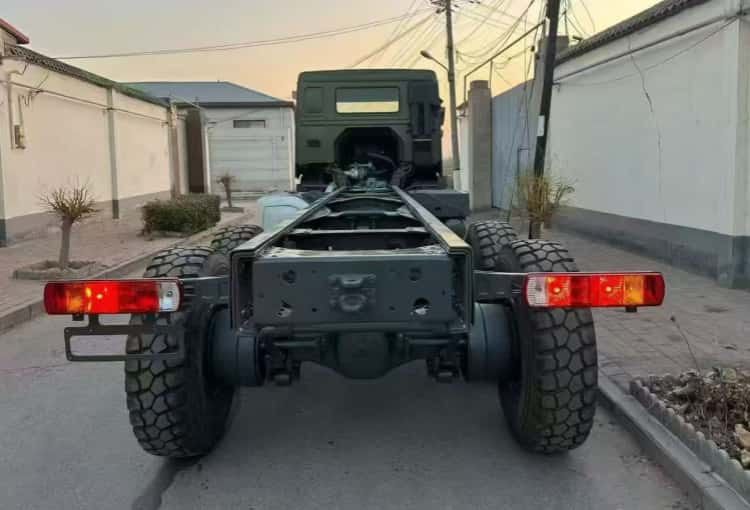

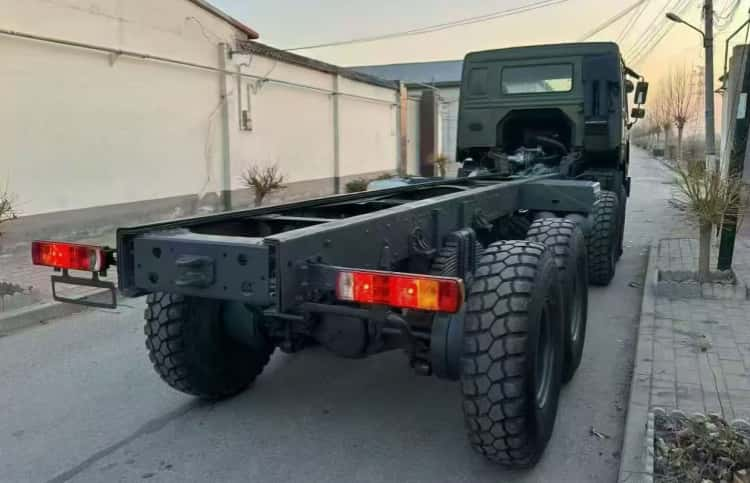
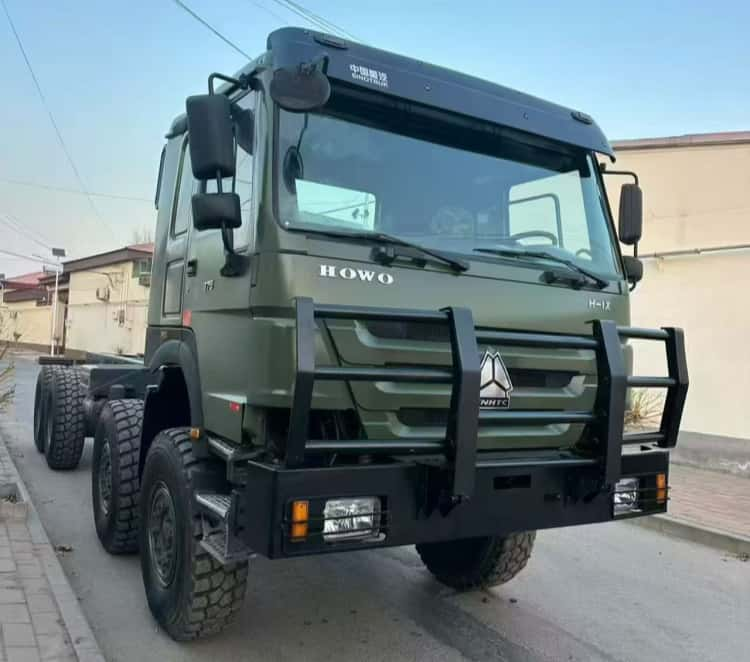
Specification Table
- Model: Reman Sinotruk 8×4 Chassis Truck 375
- Engine: WD615.47, remanufactured, full disassembly + dynamometer bench test, performance reset to OEM near‑new standard
- Axle: Heavy‑duty reinforced axles, reman NDT ultrasonic crack inspection, bearings & seals fully renewed
- Gearbox: 10‑speed manual with PTO interface, remanufactured, component screening, wear calibration and PTO function verification
- Frame Main Beam: Original heavy‑duty frame, reman full‑range NDT scanning, mounting‑point thread repair & deformation correction
- Cab: Original HOWO cab, reman structural inspection, rust removal and interior refurbishment
- Fuel Tank: 400L steel fuel tank, cleaned, pressure‑tested and leak‑checked during reman workflow
- Suspension: Multi‑leaf spring, reman fatigue inspection, bushings & shock absorbers mandatory replacement
- Brake System: WABCO brake assembly, reman overhaul of valves, air chambers, all rubber seals replaced
- Wheel & Tyre: Heavy‑duty tyres, wheel hub inspection, bolt torque calibration
Risks of Hidden Fatigue at Chassis Mounting Points for Refitting Application
Mounting‑point hidden fatigue is the most overlooked safety hazard for second‑hand bare chassis used for special‑vehicle refitting, and forms a core target of standardized bare‑chassis reman.
- Long‑term heavy load will generate subsurface micro‑cracks around frame mounting holes, which cannot be spotted by visual observation.
- After superstructure installation, working stress will amplify these invisible cracks and eventually trigger frame fracture during site operation.
- Formal reman uses NDT equipment to scan every mounting hole and reinforcement welding seam on the whole main frame.
- Reman traceability files record mounting‑point inspection data, providing objective safety proof for refitting factories and end customers.
Component‑Grading Logic for Chassis Remanufacturing
Scientific component grading is the technical core of bare‑chassis reman, defining which assemblies can be reused, repaired or scrapped, separating formal reman from random second‑hand chassis refurbishment.
- Reusable assemblies: pass fatigue inspection and OEM dimensional tolerance standards; go through precision cleaning and surface restoration before reassembly.
- Repairable assemblies: slight wear within machining allowance; implement thread repairing, straightening or honing to restore specification requirements.
- Mandatory‑replaced assemblies: fatigue‑limited parts including bearings, sealing elements, rubber pipelines, high‑strength fasteners and suspension bushings regardless of outward appearance.
- Scrap assemblies: parts with material cracking, permanent distortion or wear beyond repair allowance must enter material recycling and cannot be assembled onto reman bare chassis.
RFQ
- Q1: What preconditions must a Howo bare chassis satisfy to enter formal reman processing?
A1: The main frame must have no penetrating cracks or permanent collision‑caused torsional deformation. Core cast assemblies such as engine block and axle housing need to pass non‑destructive fatigue inspection. Chassis with deformed mounting holes or welding‑caused frame material damage will be eliminated. Only bare chassis retaining complete structural integrity can proceed to subsequent full‑disassembly reman chassis workflow. - Q2: Does reman chassis truck mean replacing all original assemblies with brand‑new spare parts?
A2: No. Formal reman chassis truck follows strict component‑grading rules. Qualified high‑value assemblies passing fatigue detection and dimensional tolerance check will be cleaned, repaired and reused. Fatigue‑limited consumables such as bearings, rubber pipelines and high‑stress fasteners must be mandatorily replaced. Blind full replacement of all parts will lose reman’s core economic and carbon‑saving advantages. - Q3: Can visual inspection replace NDT testing for reman chassis truck frame mounting points?
A3: It cannot. Visual inspection can only find surface cracks. Subsurface micro‑cracks around mounting holes are invisible, yet these defects will expand rapidly after superstructure installation under working load. Ultrasonic or magnetic‑particle non‑destructive testing is mandatory for standardized reman bare‑chassis production for refitting scenarios. - Q4: What is the difference between reman chassis truck for sale asset‑life reset and ordinary service‑life extension?
A4: Ordinary repair only fixes failed assemblies and extends the residual usable time of an aged bare chassis. Reman asset‑life reset eliminates accumulated fatigue across the whole chassis system, restores key mechanical performance to OEM near‑new standards, and activates a completely new asset lifecycle for the bare‑chassis refitting platform.