
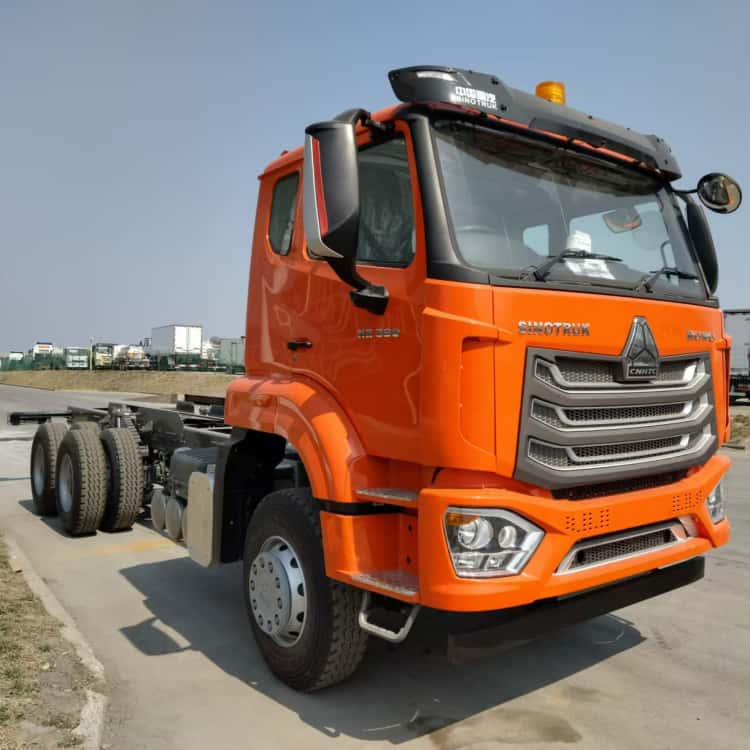
Reman Howo NX 380 6×4 Chassis Truck
Every reman procedure of this REMAN ROAD reman 6×4 truck chassis is fully documented, supplying auditable technical records for enterprise sustainability evaluation and ESG reporting of custom‑built vehicles.
Reman Howo Chassis Truck Description
- Beyond mechanical reliability for refitting work, REMAN ROAD reman truck chassis 6×4 carries full reman traceability archives covering frame inspection, powertrain reman data and component‑renewal logs.
- These verifiable documents can be cited directly in corporate ESG reports, helping special‑vehicle manufacturers prove carbon‑reduction and resource‑reuse benefits brought by adopting reman 6×4 truck chassis for custom projects.
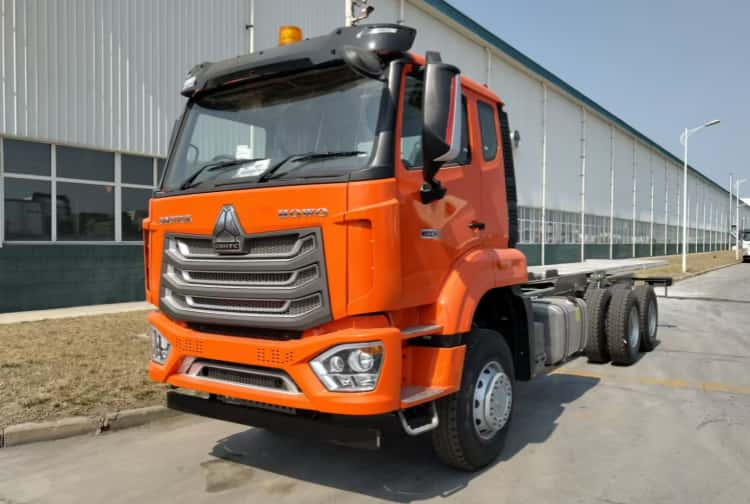
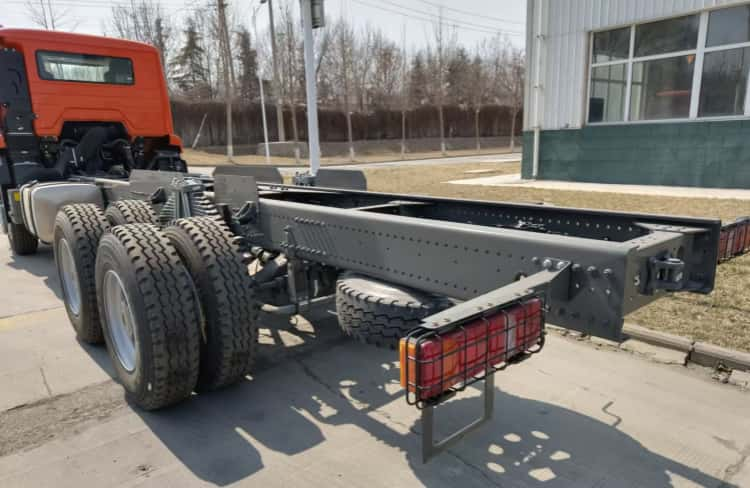
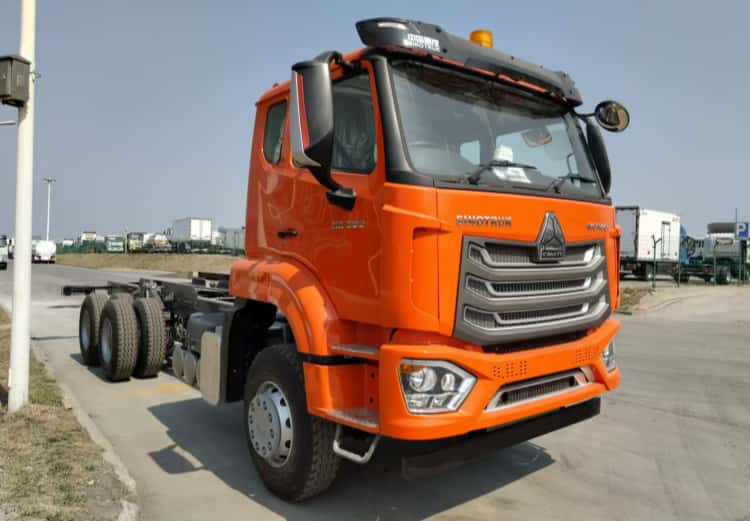
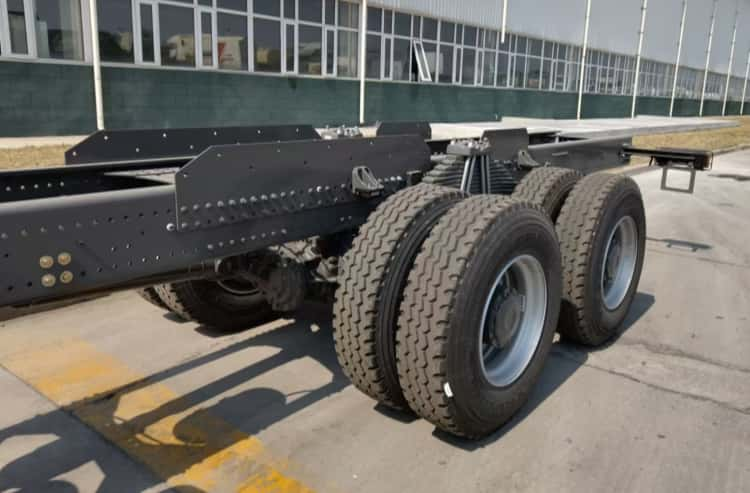
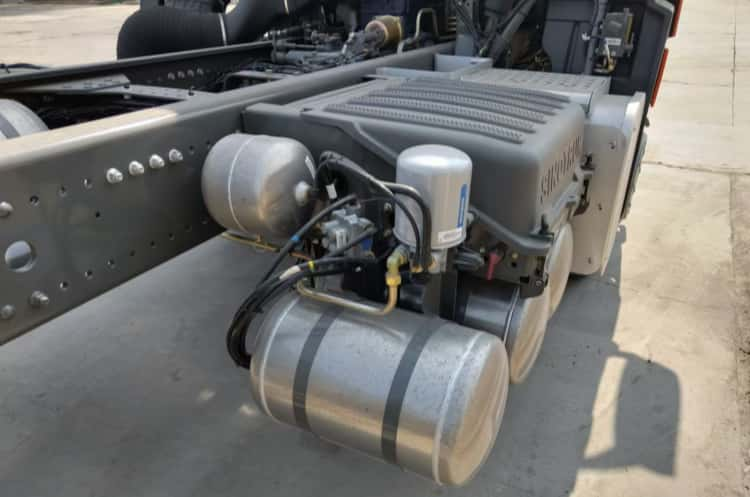
Specification Table
- Model: Reman Howo NX 380 6×4 Chassis Truck
- Engine: Remanufactured engine, full disassembly + dynamometer bench test, performance reset to OEM near‑new standard
- Axle: Heavy‑duty reinforced axles, reman NDT ultrasonic crack inspection, bearings & seals fully renewed
- Gearbox: 10‑speed manual with PTO interface, remanufactured, component screening, wear calibration and PTO function verification
- Frame Main Beam: Original heavy‑duty frame, reman full‑range NDT scanning, mounting‑point thread repair & deformation correction
- Cab: Original HOWO cab, reman structural inspection, rust removal and interior refurbishment
- Fuel Tank: 400L steel fuel tank, cleaned, pressure‑tested and leak‑checked during reman workflow
- Suspension: Multi‑leaf spring, reman fatigue inspection, bushings & shock absorbers mandatory replacement
- Brake System: WABCO brake assembly, reman overhaul of valves, air chambers, all rubber seals replaced
- Wheel & Tyre: Heavy‑duty tyres, wheel hub inspection, bolt torque calibration
Why Full Chassis Disassembly Cannot Be Skipped for Reman Chassis?
Many pseudo‑reman 6×4 truck chassis projects skip full disassembly to cut cost, leaving massive hidden mechanical risks for subsequent refitting work.
- Partial disassembly can only handle obviously failed assemblies, while invisible wear inside steering, PTO and axle groups remains unresolved.
- Only full teardown down to individual‑part level enables comprehensive fatigue screening for every load‑bearing component on the bare chassis.
- Full disassembly uncovers internal corrosion, thread damage and subsurface material defects hidden under dirt and old grease.
- Without full disassembly, bare‑chassis products can only finish partial fault repair, and cannot achieve real chassis asset‑life reset defined by industrial reman standards.
Bench‑Test Validation Logic for Reman Chassis Key Assemblies
For reman truck chassis 6×4 without upper‑body, component bench testing replaces finished‑vehicle road test as the core validation method, and cannot be omitted.
- Engine dynamometer bench test verifies power output, torque curve and oil‑pressure stability independent of superstructure conditions.
- Transmission and PTO bench test checks power‑output stability and gear‑shifting performance for future special‑device driving demands.
- Axle bench testing validates gear meshing status, bearing temperature rise and sealing performance under simulated load.
- Bare chassis passing static inspection but skipping component bench testing may hide assembly defects that only surface after superstructure installation.
RFQ
- Q1: Why does reman bare chassis need dedicated PTO and mounting‑point inspection that finished‑vehicle reman does not emphasize?
A1: Bare chassis are designed for later custom super‑structure installation. Mounting holes bear extra assembly stress, while PTO assemblies undertake external power‑output tasks for mixers, tank trucks and other special devices. These positions face unique failure risks after refitting, so enhanced inspection and restoration are required in bare‑chassis reman procedures. - Q2: If a reman 6×4 chassis truck passes static visual inspection, does that guarantee its key assemblies are fully qualified for refitting?
A2: Not guaranteed. Static inspection only checks outward conditions. If core assemblies skip independent bench‑load testing before reassembly, internal hidden defects may not appear until superstructure is fitted and put into actual operation. Standard reman 6×4 chassis truck requires component‑level bench validation first, followed by final chassis acceptance. - Q3: Can remanufacturing increase the original design load capacity of a bare chassis?
A3: No. Genuine reman cannot lift the factory‑defined load limit of bare chassis. Its target is restoring the frame back to original design load‑bearing capability. Bare chassis suffering unrecoverable structural damage will be eliminated in pre‑reman screening instead of being modified to bear higher payload. - Q4: What risks will refitting enterprises face when purchasing pseudo‑reman 6×4 chassis truck?
A4: Pseudo‑reman 6×4 chassis truck usually only receive cleaning and repainting without full disassembly and frame fatigue detection. Hidden frame‑mounting‑point micro‑cracks, degraded PTO assemblies and fatigued load‑bearing parts remain. After upper‑body installation, frame fracture or power‑output failure may occur during site operation, bringing severe safety accidents and huge economic loss for refitting projects.