What Happens to a Truck During the Remanufacturing Process?
Intro
Certified remanufacturing process is not a quick repair job or cosmetic refresh. Under REMAN ROAD, a truck goes through a structured, gated engineering reset process. Every remanufacturing step follows fixed standards, with pass/fail checkpoints that stop defective components from moving forward. Below is the complete sequence of what the truck and its thousands of parts experience on the reman line.
Core intake and eligibility assessment
The journey starts before any disassembly begins.
- Technicians verify VIN, ownership documents, service history, accident and overload records.
- The chassis, axles and key castings undergo initial dimensional checks and high-stress zone screening.
- Preliminary NDT (UT, MPI, RT) targets frame brackets, kingpin mounts and axle housings.
- If the core shows irreversible structural cracks, severe metallurgical damage or unapproved structural modifications, it is rejected immediately for scrap or parts harvesting. Only eligible cores proceed.
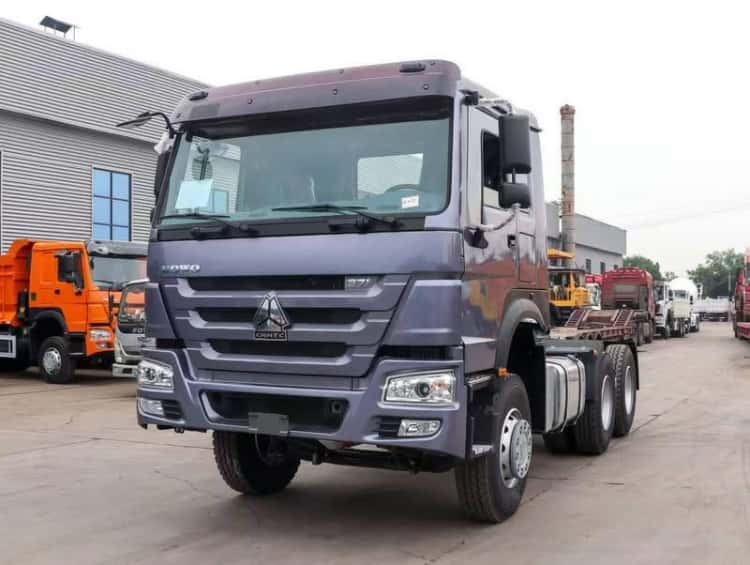
Full disassembly and systematic labelling
Unlike overhaul or refurbishment, certified remanufacturing process requires complete teardown.
- The truck is stripped down from full vehicle into assemblies, then into individual discrete components: engine block, crankshaft, cylinder heads, transmission gears, suspension brackets, fasteners, hydraulic valves and brake parts.
- Every part is tagged with traceability identifiers linked to the parent VIN.
- Components are sorted by system and moved to dedicated cleaning stations. No critical load-bearing part stays assembled.
Industrial cleaning and surface preparation
Dirt, carbon deposits, sludge, old paint and surface corrosion must be removed to enable reliable inspection.
- Controlled washing, blasting and chemical cleaning remove contaminants without altering base material properties. Aggressive or overheated cleaning methods that cause material embrittlement are prohibited.
- Once clean, hidden pitting, fine surface cracks and wear patterns become visible for the next inspection phase.
Full inspection, NDT testing and component grading
This is the quality backbone of certified remanufacturing process.
- All fatigue-critical components go through mandatory NDT inspection to find subsurface cracks and internal material damage that visual checks cannot detect.
- Precision measurement confirms dimensions, clearances, flatness and journal diameters against OEM tolerance limits.
- Each component is assigned one of three grades:
- Reusable: Falls fully within OEM specs, no repair required.
- Repairable: Can be restored via approved machining, overlay welding or heat treatment back to specification.
- Mandatory scrap: Exceeds repair limits, cracked or metallurgically degraded, discarded with formal logging.
- No worn or questionable part gets a “pass” based only on workshop judgement.

Controlled restoration and component rebuild
Only repairable parts approved by grading rules move to restoration.
- Machining, line boring, crankshaft grinding, surface overlay and heat treatment follow documented OEM-aligned procedures.
- After repair, parts are re-measured and re-inspected. If restoration fails to hit tolerance thresholds, they are reclassified as scrap.
- Consumable items such as seals, gaskets, bearings, hoses and filters are replaced with new approved parts by default.
Independent bench testing for assemblies
Before being fitted back to the chassis, major assemblies are tested standalone.
- Engines run on dynamometers to validate power, torque, oil consumption, compression and leakage under load cycles.
- Axles, hydraulic pumps, cylinders and brake assemblies go through pressure, flow and response testing.
- Any assembly that misses acceptance thresholds is pulled back for rework; it cannot enter vehicle assembly.
Reassembly to OEM fitment standards
Reassembly follows official OEM assembly sequences, torque values and alignment requirements.
- Restored reusable, repaired and new replacement components are brought back together, starting from the frame and working through powertrain, suspension, hydraulics, air and brake systems.
- Datum alignment is continuously checked during assembly to prevent misalignment, vibration and premature wear.
- All fasteners follow controlled torque and thread-locking specifications.
Integrated system testing and load validation
Individually tested assemblies can still fail when working together as a system.
- The completed truck undergoes full system cycling: thermal soak, load runs, brake actuation, air circuit testing, hydraulic pressure holding and cooling system validation.
- Technicians monitor for leaks, pressure drops, abnormal noise, overheating, ECU fault codes and delayed safety responses.
- This remanufacturing process step verifies that all subsystems communicate and perform as one coordinated vehicle, not just a collection of good parts.
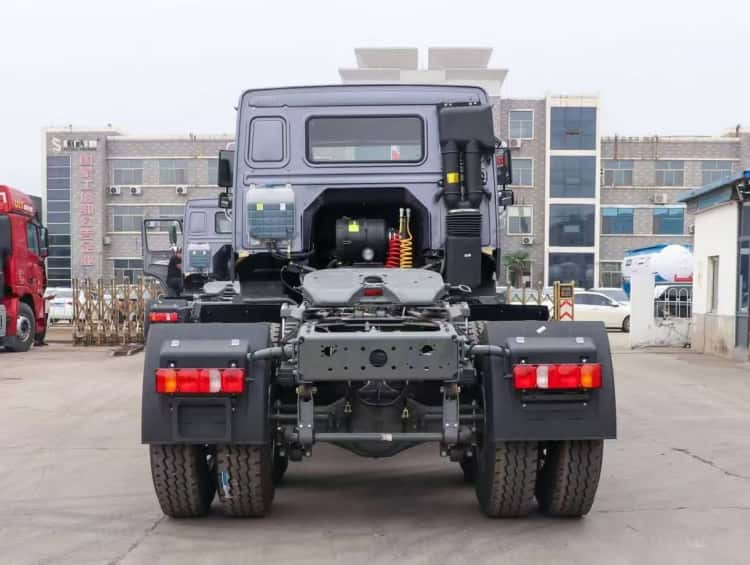
Final acceptance inspection and documentation compilation
The full verified reman trucks is checked against the REMAN ROAD acceptance checklist.
- All test data, NDT reports, grading logs, bench test certificates and calibration records are compiled into a traceable dossier tied to the truck’s VIN.
- Every certified remanufacturing process gate sign-off is logged, including technician and inspector approvals. Missing records block release.
Certification, finishing and handover
- If all gates are cleared, the truck receives formal REMAN ROAD certification and certified reman warranty.
- Final finishing includes controlled painting and marking; cosmetic work never substitutes for structural or mechanical validation.
- The verified reman trucks is now ready for fleet deployment, with a quantified remaining useful life and auditable quality evidence.
Closing
During certified remanufacturing process, a truck is not simply fixed — it is fully decomposed, inspected at the material level, rebuilt to OEM-equivalent performance, validated through layered testing and documented for full traceability.
Every hidden fatigue risk is hunted and removed. That is what separates this certified remanufacturing process from overhaul, where only known faults get attention, and from superficial refurbishment, where most hidden risks remain locked inside the vehicle.