The Difference Between Standardized Reman and Overhaul Explained
Intro
Fleet buyers frequently treat overhaul and standardized remanufacturing as interchangeable, but the gap between them creates major differences in reliability, downtime risk and long-term asset value.
An overhaul is a corrective repair focused on known wear points; standardized remanufacturing under REMAN ROAD standard is a full engineering lifecycle reset. The distinction is not semantic — it defines which hidden defects get eliminated, what performance level the asset can reach, and what proof of quality is available for your fleet.
Core objective
- Standardized Reman: Reset the entire asset back to OEM-equivalent design intent. The goal is to remove both known faults and invisible latent damage, delivering predictable, new-comparable reliability for a fresh service cycle. It treats the whole vehicle or assembly as a circulating industrial asset.
- Overhaul: Restore basic operational function. It targets symptoms and known worn components that have caused performance loss. Its purpose is to get the unit running again, not to systematically eliminate all hidden fatigue.
Scope of disassembly
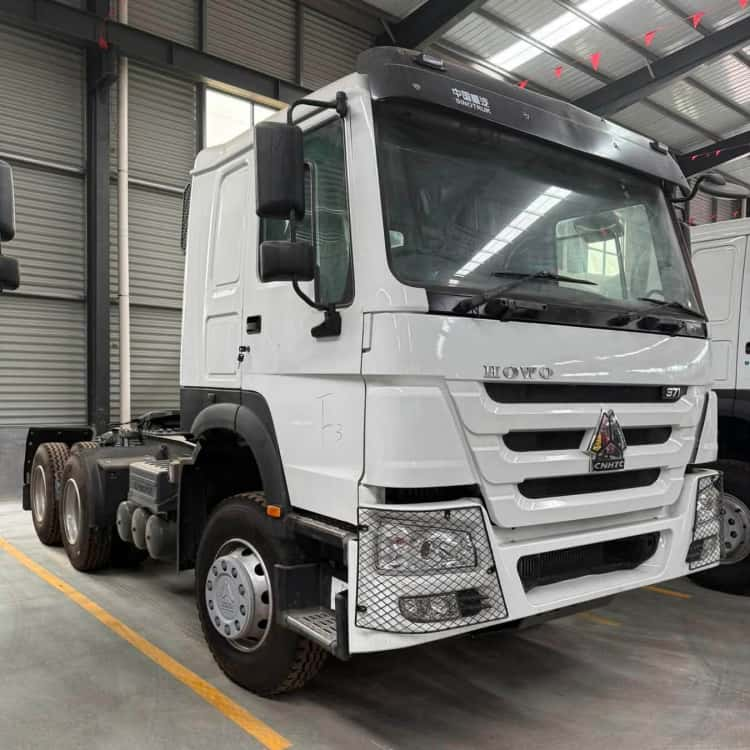
- Standardized Reman: Full disassembly down to individual parts. Every component, even those that look undamaged, is separated, cleaned and inspected. No critical load-bearing part escapes evaluation.
- Overhaul: Selective, partial disassembly. Technicians open up only the affected assembly (engine, transmission etc.) and inspect obvious wear surfaces. Frame, brackets and many high-stress structural components often remain untouched.
Mandatory inspection and NDT requirements
This is one of the most critical dividing lines.
- Standardized Remanufacturing: NDT (UT, MPI, RT) is a non-negotiable quality gate for all fatigue-critical parts. Subsurface cracks, corrosion thinning and locked-in stress are identified before reassembly. Failed parts are mandatorily scrapped.
- Overhaul: NDT is optional, often skipped entirely. Inspections rely heavily on visual checks, simple measurement and functional testing. Internal subsurface damage may remain undetected inside the assembly.
Component grading rules
- Standardized Reman: Every part is formally graded into three categories: reusable, repairable, mandatory scrap. Fixed written criteria define each outcome. No risky patching of parts that exceed OEM limits.
- Overhaul: Grading is informal. Technicians decide whether a part “looks good enough” to reuse. Worn components may be reinstalled if they are not currently failing, even if they are near the end of their service life.
Performance validation and testing
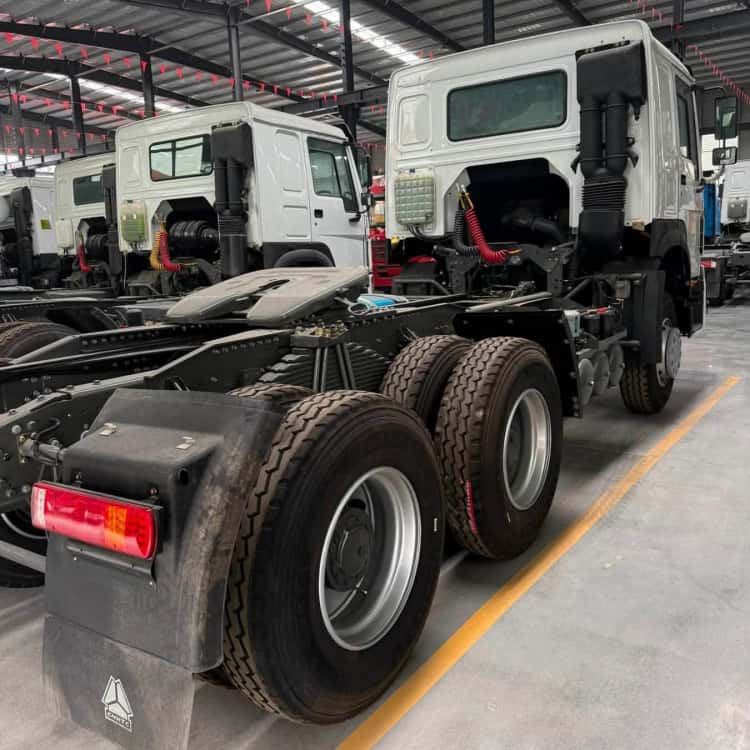
- Standardized Reman: Component bench testing, system load cycling and final acceptance testing are required. Engines run on dynamometers, hydraulics and brakes pass fixed threshold checks. Test results are documented and tied to the asset record.
- Overhaul: Testing is limited to basic functional checks after reassembly. It confirms there is no obvious leak, noise or power loss, without formal load benchmarking against OEM specifications.
Documentation, traceability and certification
- Standardized Remanufacturing: Complete auditable dossier linked to VIN or serial number, including core assessment reports, NDT logs, grading sheets, test data and certification. Records follow the asset through resale.
- Overhaul: Minimal records, usually only a list of parts replaced. There is no unified certification standard. Proof of work is limited and hard for secondary buyers to verify.
Warranty structure
- Standardized Reman: Standardised, transferable warranty aligned with REMAN ROAD quality gates. Coverage terms are consistent and backed by the full inspection trail.
- Overhaul: Short, narrowly defined warranty with many exclusions. Coverage typically only applies to the replaced parts, not the whole assembly, and often excludes secondary failures from undetected hidden damage.
Remaining useful life and depreciation behaviour
- Standardized Reman: The asset gets a quantified reset lifecycle. Depreciation is slower and more stable, with better residual value supported by verified quality evidence.
- Overhaul: Useful life is uncertain. Known wear is addressed, but accumulated fatigue remains. The asset depreciates faster, and buyers apply a risk discount because quality cannot be independently proven.
Closing
Overhaul fixes what you can see and what has already broken. Standardized remanufacturing under REMAN ROAD proactively hunts for damage you cannot see, validates every critical component against OEM standards and provides documented proof of the reset. For fleets prioritising uptime, stable TCO and resale value, overhaul is a tactical repair; standardized reman is a strategic asset reset. Confusing the two often leads to unexpected breakdowns and underestimated fleet risk.