The Economics of Verified Remanufacturing: How Value Is Created?
Intro
Many fleet operators only see verified remanufacturing as a cheaper alternative to new trucks. This narrow view misses its core economic logic: certified reman does not merely cut purchase cost — it creates layered, durable asset value by resetting the engineering life of a qualified core.
Under REMAN ROAD verified remanufacturing standards, value creation happens across capital expenditure, operating expense, depreciation risk, supply chain stability and circular ESG returns, rather than relying only on a low sticker price.
Reduced upfront CAPEX without sacrificing safety performance
The most immediate value driver is controlled initial capital outlay.
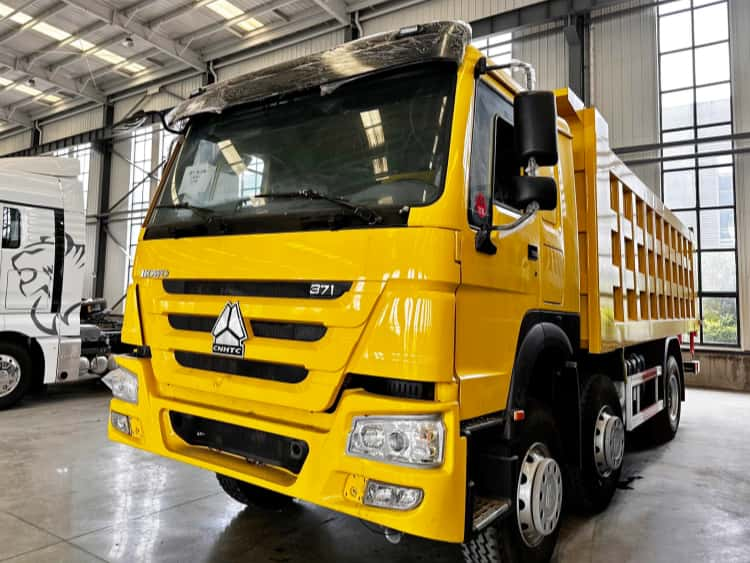
- REMAN ROAD verified reman truck uses a recovered, structurally sound core as its foundation. The high embodied value of frame, axles and major castings is preserved, removing the cost of virgin raw material, primary forging and full OEM new production overhead.
- The asset is restored to new-equivalent performance and safety benchmarks via NDT screening, component grading and bench validation.
- Fleets gain usable capacity at substantially lower CAPEX compared to buying new, freeing budget for fleet expansion, reserve assets or other operational investments. This is especially valuable for fleets operating on tight cash flow or high-rotation equipment plans.
Lower and more predictable total cost of ownership (TCO)
True economic value lies in long-term TCO, not just purchase price.
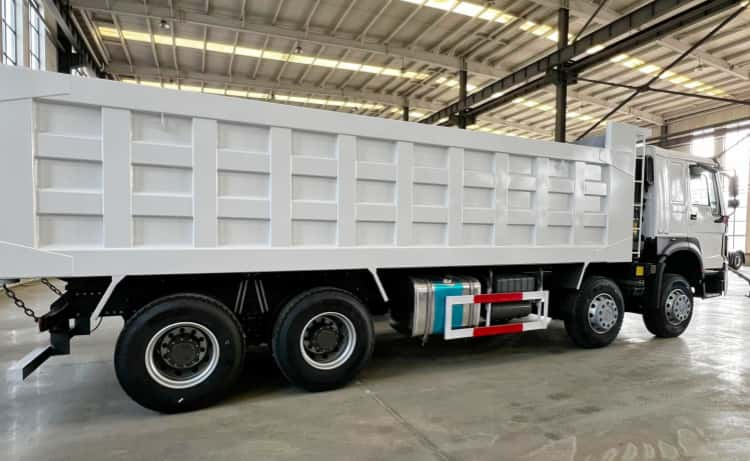
- Verified remanufacturing eliminates the unknown wear and hidden fatigue risks that plague ordinary used or superficially refurbished trucks. Mandatory testing and part replacement reduce the frequency of sudden catastrophic breakdowns.
- Maintenance schedules become forecastable. With full component grading records, fleet planners can anticipate service intervals and consumable replacement instead of reacting to unplanned failures.
- While uncertified low-cost stock appears cheaper at first, frequent downtime, emergency repairs and lost hauling revenue quickly inflate its real operating cost. REMAN ROAD certification compresses this volatility.
Flattened depreciation curve and stronger residual value
Depreciation is one of the largest hidden costs for heavy vehicle fleets, and verified remanufacturing changes the trajectory.
- Brand-new trucks suffer steep depreciation in their first years, driven by the “new asset premium” that vanishes once the vehicle enters service.
- Verified reman truck start from a lower baseline and depreciate much more gradually. Their value is backed by auditable inspection logs, test reports and a formal warranty.
- When fleets rotate or resell assets, verified reman trucks attract more confident buyers and better pricing. The complete traceability dossier removes the heavy risk discount applied to undocumented second-hand trucks.
Minimised downtime cost and protected revenue continuity
Downtime carries a heavy economic penalty: idle assets, missed delivery contracts, standby driver labour and emergency service premiums.
- The REMAN ROAD gated workflow filters out latent structural cracks, degraded bearings and compromised hydraulic or brake components before delivery.
- Standardised warranty coverage also reduces the financial shock of unexpected failures, with clear repair responsibility and turnaround terms.
- For revenue-critical fleets, fewer unplanned stops translate directly into consistent tonnage, reliable contract fulfilment and preserved customer revenue streams.

Supply-chain value: Shorter lead times and insulation against component shortages
Value creation also operates at the fleet supply level.
- New truck production is vulnerable to semiconductor shortages, raw material price swings and multi-month factory lead times. Verified remanufacturing relies on pre-qualified core stock and internal graded component inventories.
- Once cores are available, reman lead times are far shorter, letting fleets rapidly replace failed trucks or add capacity without waiting for OEM production slots.
- Graded reusable and repairable component pools built up from reman operations also reduce dependence on expensive, long-lead new spare parts for ongoing fleet maintenance.
Circular carbon value and ESG eligibility
Verified remanufacturing unlocks non-financial value that converts into commercial advantage.
- Retaining the existing metal core avoids the massive energy and emissions required for ore mining, smelting and primary casting. The embedded carbon already invested in the chassis and major assemblies is reused instead of being lost to scrap melting.
- Documented reman activity can be included in Scope 3 carbon reporting, supporting sustainability targets, green tender requirements and ESG investor expectations.
- In many cross-border markets, certified circular assets help fleets qualify for preferential sustainability programmes that uncertified refurbished or used trucks cannot access.
Clear risk pricing and better financing terms
Unverified used heavy trucks carry hard-to-quantify risk, which lenders price into higher interest rates or restrictive lending conditions.
- REMAN ROAD verified remanufacturing has standardised quality gates, test evidence and fixed warranty structures. Lenders and asset financiers can model remaining useful life and residual value with far greater confidence.
- Lower perceived risk may translate into more favourable financing rates, higher advance ratios and longer repayment periods. This improves the fleet’s overall capital structure and cash flow position.
Closing
The economics of verified remanufacturing are built on value preservation plus value enhancement. It saves upfront capital, stabilises TCO, flattens depreciation, cuts downtime risk, shortens lead times and delivers auditable circular benefits. Its value is not created by cutting corners on engineering work, but by systematically removing uncertainty — the single largest cost driver in the second-hand heavy vehicle market. For fleet decision-makers, REMAN ROAD verified remanufacturing turns an uncertain used asset into a predictable, financeable, revenue-generating asset.