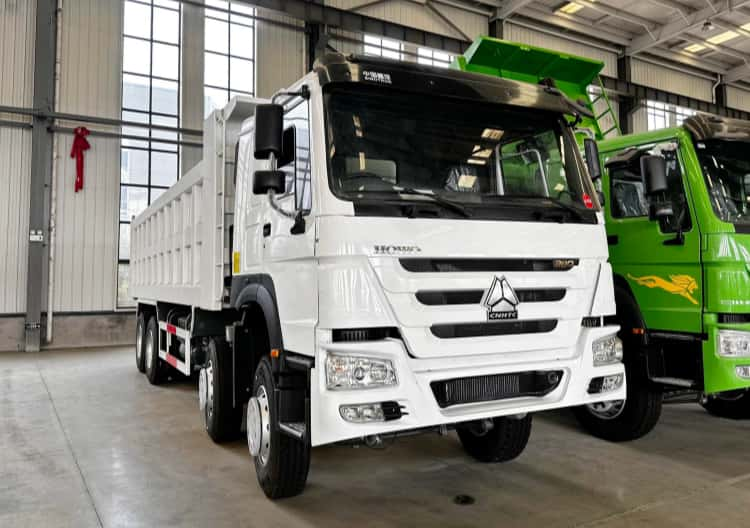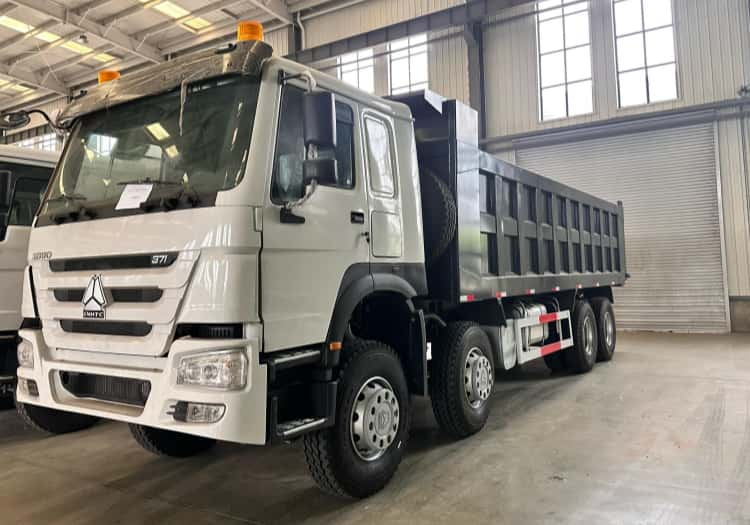
Why Some Trucks Can Be Remanufactured and Others Cannot?
Intro
To fleet buyers, two seemingly similar used trucks may end up on entirely different paths: one enters certified remanufactured under REMAN ROAD, while the other is rejected and marked for scrap or parts harvesting. Mileage or outward appearance is not the deciding factor. The eligibility verdict comes from layered engineering assessment, evaluating residual structural capacity, material integrity, modification history, regulatory status and TCO viability.
Residual fatigue and structural integrity of load-bearing components
The chassis frame, crossmembers, axle housings and suspension brackets set the first hard gate.
- Reman-eligible: High-stress zones pass mandatory NDT (UT, MPI, RT). No propagating cracks, and wall thickness remains above OEM minimum design limits. Frame geometry can be restored to factory dimensional tolerances.
- Not eligible: Subsurface fatigue cracks, extensive corrosion thinning, or permanent distortion that cannot be straightened back to spec. Prior improper cold straightening or unapproved field welding creates locked-in stress that NDT cannot fully eliminate. These flaws will redevelop into failures under load.
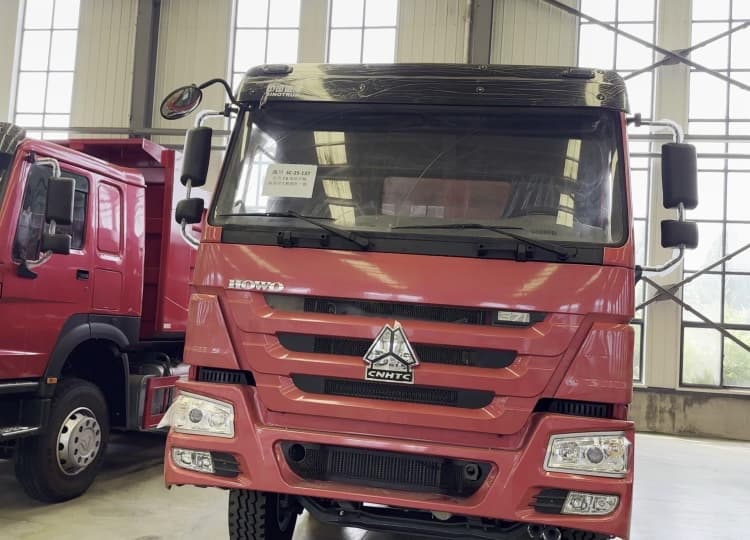
Irreversible material degradation
Even if a part looks intact, metallurgical damage disqualifies the core.
- Reman-eligible: Base metal retains stable grain structure. Corrosion is localised; wear surfaces can be recovered via machining, overlay welding and heat treatment to meet OEM specs.
- Not eligible: Damage from overheating, fire, hydrogen embrittlement, or severe thermal shock changes the material’s fundamental properties. Deep pitting corrosion reduces section thickness beyond repair limits. Brittle, compromised metal cannot be safely reset, no matter how much rework is applied.
Undocumented major accident, chronic overload or unapproved modifications
Hidden history is one of the most common silent disqualifiers.
- Reman-eligible: Clean verifiable records. No rollover, heavy collision or sustained extreme overload. Any prior repairs follow OEM structural guidelines.
- Not eligible: Unrecorded crash damage leaves invisible internal fatigue. Chronic overloading accumulates distributed fatigue across the whole frame and powertrain. Unauthorized cutting, drilling, reinforcement or non-OEM structural alterations erase the original engineering baseline. REMAN ROAD rejects these cores because the design safety margin can no longer be trusted.
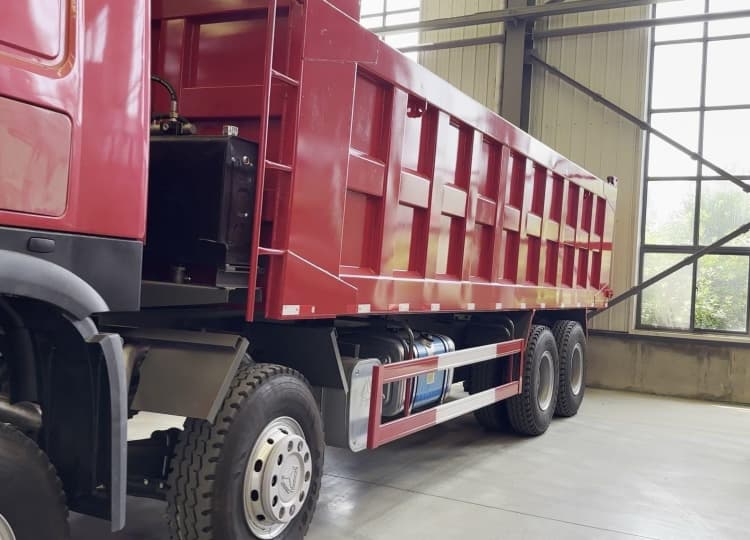
Unrecoverable reference datums and mating surfaces
Certified remanufactured relies on original datum points to restore alignment.
- Reman-eligible: Critical datums, seating faces, journals and mounting surfaces have enough remaining stock for precision machining and restoration.
- Not eligible: Datums are gouged, distorted or worn past maximum allowable repair limits. Without reliable reference points, reassembly will produce misalignment, vibration, accelerated wear and recurring breakdowns.
Traceability and authenticity of parts and documentation
Truly remanufactured requires a complete audit trail.
- Reman-eligible: Valid VIN, original OEM part lineage, service logs and material certificates are traceable. Mixed-in replacement parts have verifiable material certification.
- Not eligible: Missing or fraudulent title, stolen salvage status, or unknown uncertified aftermarket structural components substituted in the past. If you cannot confirm what metal is in a load-bearing part, it cannot be certified.
Regulatory and emission constraints
A core may be mechanically sound yet still unfit for remanufactured.
- Reman-eligible: Its base platform and aftertreatment system can be rebuilt to satisfy the emission, safety and registration rules of the target market. Open recalls can be fully resolved during reman workflow.
- Not eligible: Outdated engine architecture that cannot be upgraded to meet destination emission standards. Unresolvable safety recalls or VIN-related registration blocks make the asset commercially worthless even after rebuild.
Economic TCO feasibility
Technical eligibility does not automatically mean the core will be remanufactured.
- Reman-eligible: The sum of repair, replacement, testing and certification costs sits below the threshold where certified reman delivers better TCO than buying new.
- Not eligible: Too many high-value critical components fall into the mandatory scrap category. The cost of replacement parts and labour becomes so high that reman no longer makes financial sense. Such cores are cannibalised for usable spare parts instead.
Closing
A truck qualifies for REMAN ROAD certified remanufactured only when its fundamental engineering baseline is recoverable. It needs sound base material, intact structural fatigue margin, clean service history, traceable components and viable economics.
When any of these foundational gates fail, the truck cannot be truly remanufactured — at best it can be repaired or stripped for parts, and risky cosmetic refurbishment should always be avoided by fleet operators.