Certified Remanufacturing vs Refurbishment: What Is the Real Difference?
Introduction
In the heavy truck market, refurbishment and certified remanufacturing are frequently confused by fleet buyers and even sales teams. At first glance, both processes make a used truck or component look cleaner and work again.
However, they are built on entirely different goals, technical rules and quality benchmarks. Refurbishment mostly focuses on appearance and basic function. Certified remanufacturing is an engineering-led lifecycle reset governed by fixed standards. This article lays out their clear distinctions, following the REMAN ROAD framework, to help you avoid being misled by vague marketing terms.
Core Purpose of Each Process
- Certified Remanufacturing The core goal is to restore the asset to OEM-equivalent performance, safety and service life. It aims to reset the usable lifecycle of the qualified core, creating a predictable, long-service asset that can be relied on for heavy-duty fleet operation.
- Refurbishment Refurbishment’s main target is cosmetic improvement and basic functional recovery. It fixes obvious faults, cleans surfaces and refreshes appearance to improve market presentation. It does not aim to restore the unit to factory performance standards.
Work Scope and Process Depth
- Certified Remanufacturing Full disassembly into individual parts is mandatory. Every component goes through industrial cleaning, precision measurement and non-destructive testing. All scheduled wear, seal and friction parts are replaced systematically. Reassembly, system recalibration and formal end-of-line performance testing are required steps.
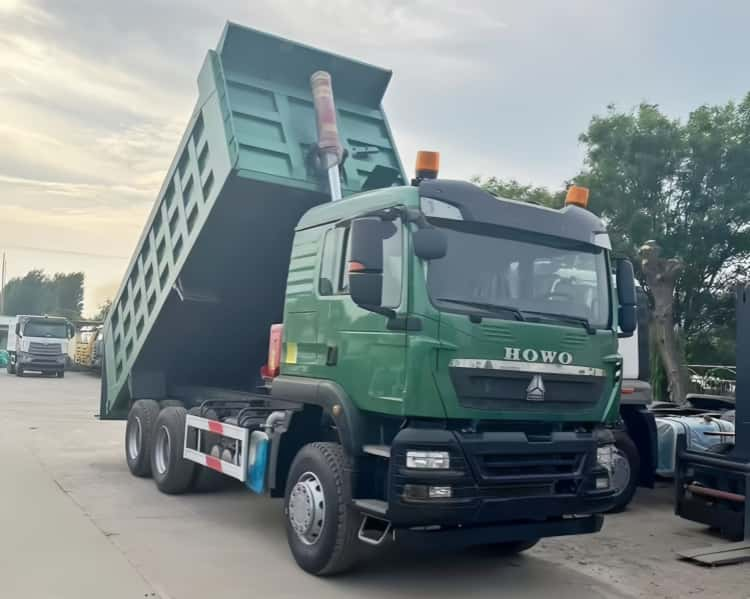
- Refurbishment It usually uses partial disassembly only where necessary. Workers clean the exterior, repaint the body or cab, replace damaged trim, fix obvious leaks and repair visible faults. Most internal components stay untouched unless they show clear failure signs. There is no mandatory full inspection of hidden parts.
Evaluation Standard for Components
- Certified Remanufacturing Part quality is judged by OEM dimensional tolerances and material test results. Any component out of specification must be scrapped. Reusable structural parts can only be machined within OEM-permitted limits. Judgement is data-driven.
- Refurbishment Parts are judged mainly by visual inspection and simple function checks. If a component looks intact and still runs, it will usually be kept in place, even if it is close to its fatigue limit. Hidden wear and slow degradation are not assessed.
Performance and Remaining Service Life
- Certified Remanufacturing Power, torque, fuel efficiency and emission performance match OEM specifications. The lifecycle is effectively reset. The remaining service life is stable and forecastable under normal working conditions.
- Refurbishment The asset can run, but its internal aging parts continue to degrade. Performance may drift over time. Secondary failures can occur suddenly because many high-risk wear items were not renewed. Its remaining lifespan is uncertain.
Documentation, Traceability and Warranty
- Certified Remanufacturing A complete traceability package is generated, including core screening records, inspection data, parts replacement logs, calibration files and final test reports. Warranty terms are standardised and cover the whole assembly.
- Refurbishment Records are limited, usually only listing the cosmetic work and faults that were repaired. Warranty coverage is narrow and short, often only covering the parts that were replaced during the refurb job. No full-assembly performance guarantee is provided.
Suitable Fleet Application Scenarios
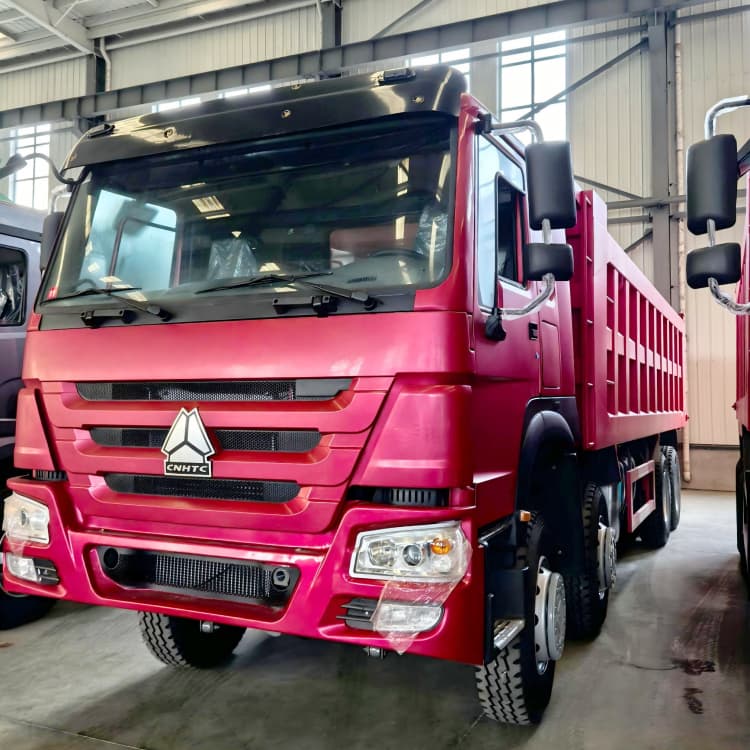
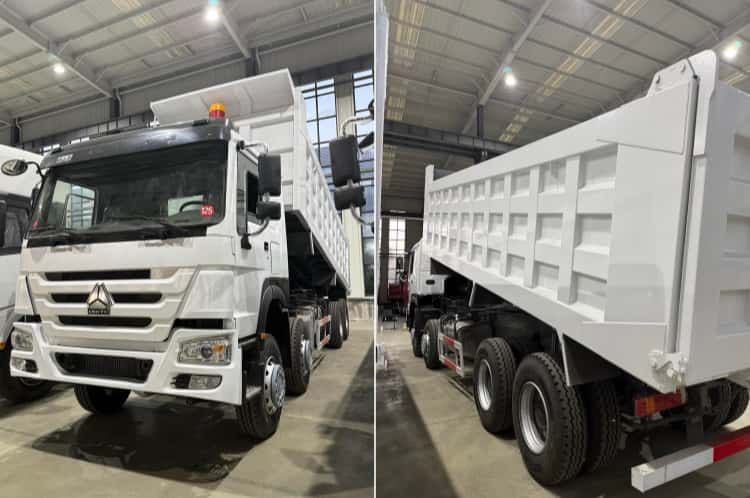
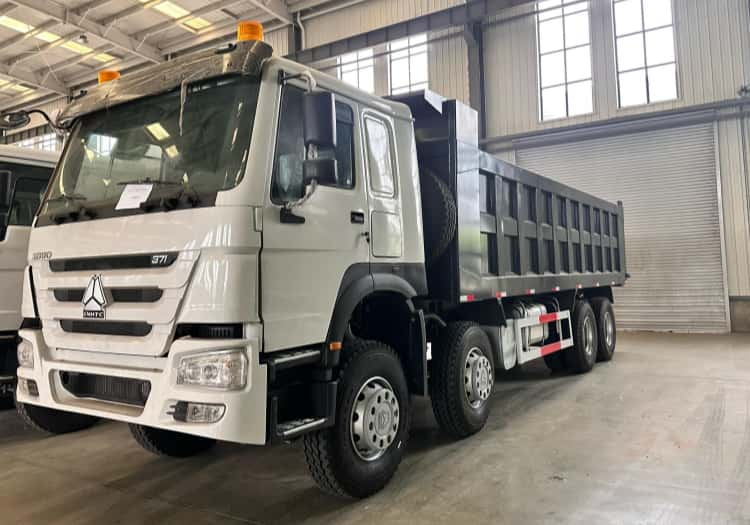
- Remanufacturing Ideal for core fleet assets, dump trucks, tractors, powertrain assemblies and key components used in mining, construction and long-haul transport. It fits operations where uptime, safety and predictable maintenance are priorities.
- Refurbishment Suitable for temporary, light-duty, low-frequency use or short-term transfer. It is a low-cost option for non-critical vehicles, but it should not be treated as a long-term asset investment for heavy workloads.
How REMAN ROAD Separates the Two Categories?
REMAN ROAD draws a firm boundary between certified remanufacturing and refurbishment in its standard system. Refurbishment is classified as a cosmetic and basic repair service, not reman. Any product labelled under REMAN ROAD verified reman must complete the full reman workflow and pass all quality gates. Refurbished units cannot carry the certified reman label.

Closing Summary
The simplest way to distinguish them: refurbishment makes the asset look good and run for now; certified remanufacturing re-engineers it back to factory performance with a reset lifecycle. When reviewing supplier quotes, check whether the offer covers full disassembly, systematic wear-part replacement and end-of-line performance validation. If these reman workflow are missing, what you are buying is refurbishment, not true certified remanufacturing.