What Counts as a True Heavy Remanufactured Truck?
Introduction
Many fleet buyers receive quotes for so-called “remanufactured truck”, only to discover the vehicle has merely been cleaned, repainted and patched up. A genuine heavy remanufactured truck is far more than a used truck with a fresh coat of paint. A true heavy remanufactured truck is built on standardized engineering rules, covering the whole vehicle rather than just one faulty assembly. This article outlines the clear criteria for a certified heavy remanufactured trucks, following the REMAN ROAD benchmark, so your procurement team can filter out misleading listings and make confident purchasing decisions.
It Starts With a Qualified Full-Vehicle Core
A true heavy remanufactured trucks begins with strict core acceptance for the complete chassis, not just an engine or axle.
- The main frame and load-carrying structural components must pass non-destructive testing, free from cracks, permanent bending and critical metal fatigue.
- Trucks involved in severe collisions, fire damage or frame twisting are rejected directly and cannot enter reman workflows.
- Mileage and service history are recorded for traceability before disassembly.
No amount of new parts can turn a structurally compromised core into a reliable heavy remanufactured truck.
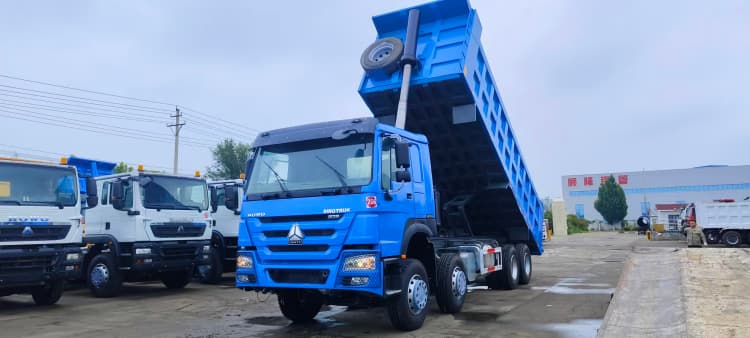
Complete Systematic Disassembly, Not Spot Teardown
Full-vehicle remanufacturing requires deep disassembly across major assemblies.
- Powertrain, steering, braking, suspension, fuel, hydraulic and exhaust after-treatment systems are all separated and broken down to component level.
- It is not limited to pulling out the engine while leaving the rest of the chassis untouched.
- Disassembly exposes hidden wear in axles, suspension bushings, brake assemblies and cab mounts that visual inspection cannot catch.
Every Component Is Inspected Against OEM Specifications
All separated parts go through data-based inspection, rather than casual visual checks.
- Critical parts are measured with precision tools to verify they stay within OEM dimensional tolerances.
- NDT testing is applied to frame, axle housings and other safety-critical structures.
- Any component outside specification limits is scrapped, even if it appears usable.
This rule applies equally to small fasteners and large structural assemblies.
Mandatory Batch Replacement of All Time-Limited Wear Parts
All fatigue and consumable components are replaced systematically, not only broken parts.
- This includes seals, gaskets, bearings, brake linings, suspension rubber parts, hoses, clamps and locking fasteners.
- The engine, transmission and axle wear kits are fully renewed according to the standard parts list.
- This eliminates the major risk found in overhauled or refurbished trucks: aging wear parts that fail shortly after delivery.
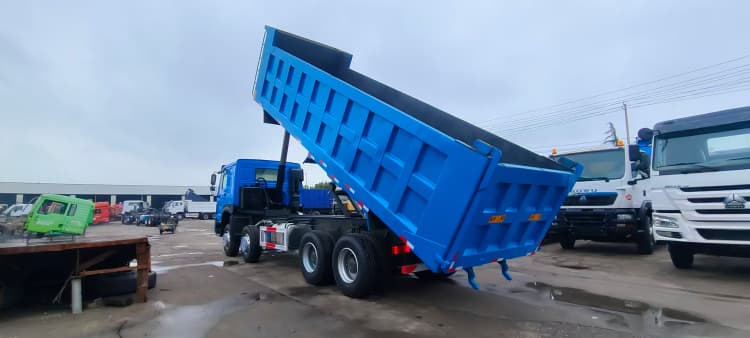
Reassembly Follows OEM Torque, Clearance and Assembly Procedures
Reassembly is carried out strictly in line with factory documentation.
- Torque values, fitting sequences and assembly clearances are controlled and logged.
- Cleanliness standards are enforced to prevent grit and debris trapped inside powertrain or hydraulic circuits.
- Workers follow written work instructions instead of informal workshop habits.
Full-Vehicle Calibration and System Synchronization
A heavy remanufactured truck is a connected system, not a collection of rebuilt individual parts.
- ECUs, transmission control units, ABS, braking system and after-treatment modules are recalibrated and matched as a complete set.
- Calibration aligns power output, fuel delivery, emission control and safety functions.
- Even well-rebuilt mechanical parts will underperform if the vehicle systems are not properly synchronized.
Comprehensive Vehicle-Level Validation Before Release
Bench testing for separate assemblies is not enough for a full heavy remanufactured truck.
- The finished truck undergoes combined functional testing, leakage inspection, brake performance testing and road validation.
- Power, fuel economy, braking response and emission data are captured and saved.
- If any system fails the acceptance threshold, the truck returns for rework and cannot be delivered.
Complete Traceability Records and Formal Warranty Coverage
A true heavy remanufactured trucks comes with a full auditable document package.
- Files cover core inspection reports, component test records, parts replacement lists, calibration logs and final test results.
- Warranty applies to the whole vehicle or major assemblies, not just a small set of repaired components.
- Each heavy remanufactured truck carries a unique identifier linked to its entire reman history.
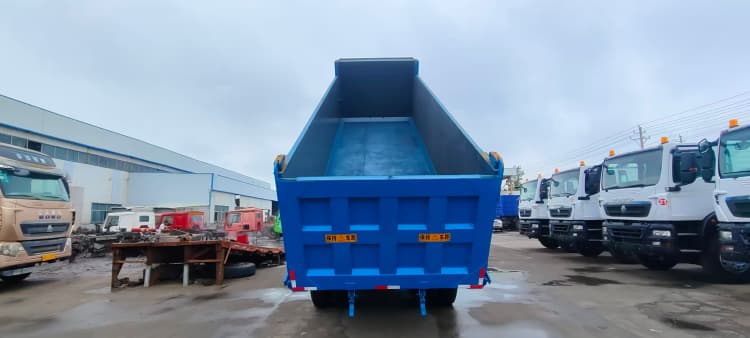
How REMAN ROAD Defines the Standard for Heavy Remanufactured Trucks?
REMAN ROAD separates certified full-vehicle remanufacturing from component reman, overhaul and refurbishment. Our standard makes it clear: rebuilding one assembly does not make the whole truck remanufactured. A truck can only carry the REMAN ROAD reman certification if it satisfies all the above vehicle-level quality gates.
Closing Summary
A true heavy remanufactured truck uses a structurally sound core, undergoes full-system disassembly, measurement-based inspection, systematic wear-part renewal, OEM-standard reassembly, full vehicle calibration, integrated road testing and complete traceability. If a supplier cannot provide full vehicle test records and only refreshes appearance or rebuilds the engine alone, what they offer is not a certified heavy remanufactured trucks.