The Lifecycle Logic Behind Certified Remanufacturing
Introduction
Traditional heavy truck asset management follows a simple linear path: raw material → new vehicle → operation → scrap. Once a truck ages, many fleets treat it as worthless and send it straight for recycling.
Certified remanufacturing inserts a critical reset node into this lifecycle. It does not extend the life of worn-out parts temporarily; it restarts the usable lifecycle of a structurally sound heavy truck core.
This article explains the circular lifecycle logic behind reman heavy trucks under the REMAN ROAD standard, helping fleet managers view assets from a long-term value perspective rather than one-time purchase cost.
Stage 1: Original Factory Lifecycle (First Service Cycle)
Every new heavy truck starts its first lifecycle after leaving the OEM factory.
- It is designed with a long service life for load-bearing structural parts such as frame, axle housing and cylinder block.
- Consumable wear parts like bearings, seals and friction materials have much shorter service intervals.
- After thousands of operating hours, wear parts degrade gradually. Performance drops, fuel consumption rises, and breakdown risks increase.
At this point, the structural core may still retain most of its design safety margin, even if many internal components are worn. This is the key entry point for certified remanufacturing.
Stage 2: Core Screening — The Gate to Lifecycle Reset
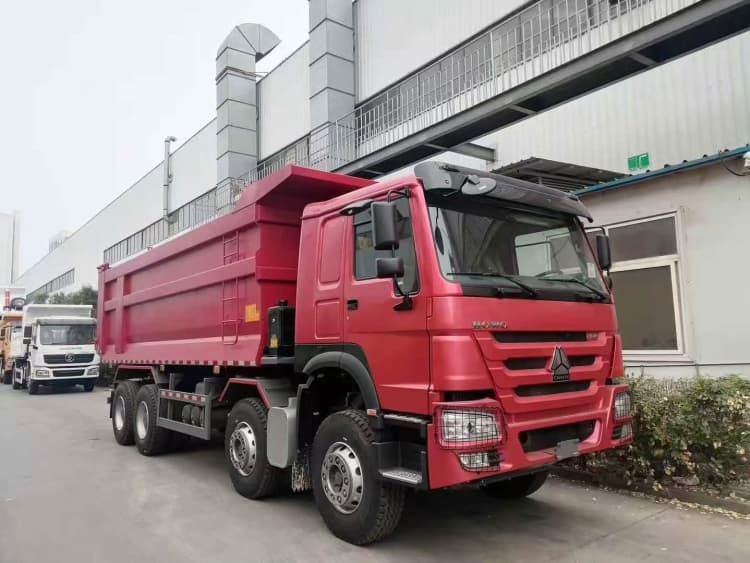
Not every end-of-first-cycle truck qualifies for certified remanufacturing.
- Technicians separate “scrap-eligible units” from “reman-eligible cores” through NDT and dimensional inspection.
- Trucks with cracked frames, permanent deformation or severe metal fatigue are rejected and enter material recycling.
- Only cores whose main load-bearing structures remain within OEM safety tolerances move into the reman workflow.
This reman process step prevents low-quality cores from entering the supply chain and avoids false lifecycle reset. A core with damaged structure cannot be reliably brought back to service.
Stage 3: Reman Process — The Lifecycle Reset
Certified remanufacturing is the technical action that resets the asset lifecycle.
- Full disassembly splits the truck into individual components, separating long-life structural parts and short-life wear parts.
- Aging consumables are replaced in full batches, while qualified structural parts are restored within controlled machining limits.
- After reassembly, system calibration and vehicle-level testing restore the truck’s performance close to its original factory state.
The core logic here: reuse the durable structural value, renew all time-limited consumable value. Instead of throwing away the whole asset because some parts wear out, we refresh the wearable parts to match the remaining structural lifespan.
Stage 4: Second Service Cycle — Fleet Operation of Reman Truck
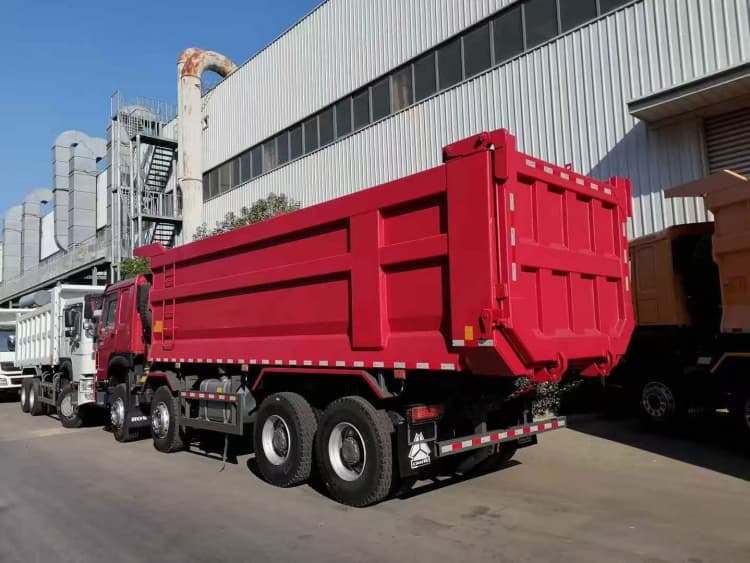
After certified remanufacturing, the truck enters its second stable service cycle.
- Its predictable service life is defined by the reman standard and warranty terms.
- Under proper maintenance, it can undertake the same heavy-duty tasks as a new truck in construction, mining and haulage scenarios.
- Compared with a casually overhauled truck, its failure risk curve starts low and rises slowly, just like a new asset.
Fleets gain a cost-effective working vehicle without paying the high CAPEX of a brand-new truck. Meanwhile, the embedded carbon from steel casting, forging and machining is preserved.
Stage 5: End of Reman Cycle — Two Possible Outcomes
When the reman heavy truck finishes its second service cycle, there are two paths:
- If the main structure still passes inspection, it can enter another reman cycle, after re-screening and reprocessing.
- If the frame or key structural components exceed allowable fatigue limits, the truck will finally be dismantled for raw material recycling.
Remanufacturing does not make a truck last forever. It maximises the usable value of the core before final recycling.
How This Differs From Repair, Overhaul and Refurbishment?
- Repair only fixes one fault point. It does not reset the lifecycle; it just removes a single failure so the truck can keep running along its original aging curve.
- Overhaul replaces obvious worn parts. It slows aging but does not systematically reset all fatigue components, so the lifecycle remains partially degraded.
- Refurbishment mainly improves appearance. The underlying aging trend of internal parts stays unchanged.
- Certified remanufacturing reshapes the asset’s failure curve and starts a new service cycle. This is the fundamental lifecycle difference.
REMAN ROAD’s Role in Standardising Circular Lifecycles
Without unified standards, certified remanufacturing easily becomes a vague marketing concept. REMAN ROAD defines clear lifecycle rules: where core screening sits, what must be renewed during reset, how performance is validated, and how traceability records track each cycle of the same core. Our standard helps fleets calculate total lifecycle cost accurately, build mixed fleets of new and reman heavy truck, and move toward circular operation instead of linear consumption.
Closing Summary
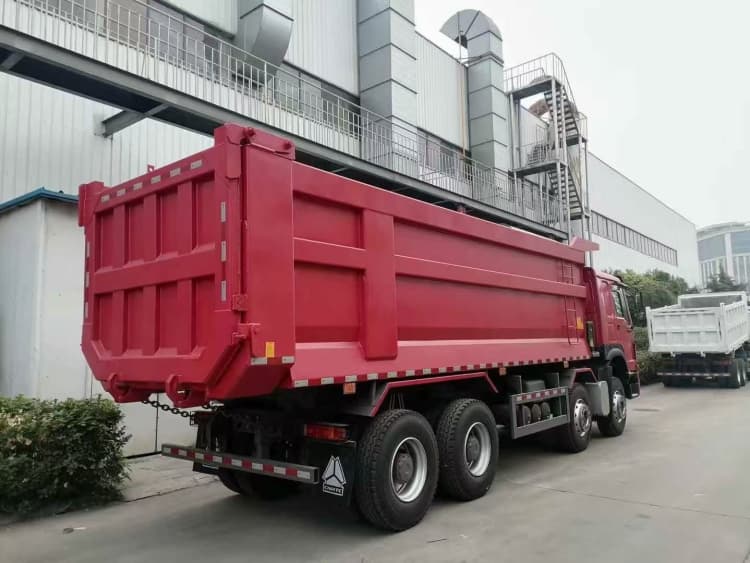
The lifecycle logic of reman heavy trucks is simple: heavy-duty structural parts are built to last multiple cycles, while wear parts are designed for periodic renewal. Certified remanufacturing catches the truck at the right point, replaces all limited-life components, verifies structural integrity, and restarts its service cycle. It delays final scrapping, cuts waste and CAPEX, and unlocks the full designed value of every heavy truck core.