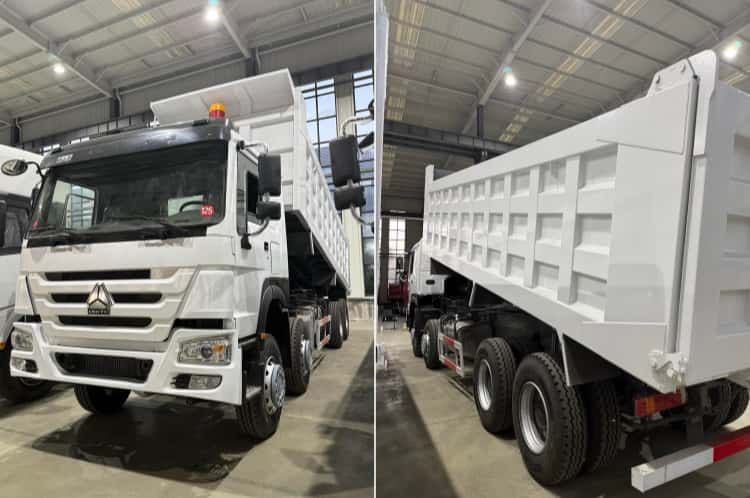
How Standard Remanufacturing Preserves the Value of Heavy Trucks?
Intro
Heavy trucks suffer steep depreciation driven by hidden structural fatigue, unknown component wear, and inconsistent repair quality. Standard remanufacturing under REMAN ROAD does not merely fix visible faults — it resets the asset’s engineering baseline, removes uncertainty, and creates verifiable quality that sustains long-term residual value. Unlike cosmetic refurbishment, certified standard remanufacturing turns a depreciating used asset into a documented, performance-guaranteed asset with predictable worth.
Resets the structural fatigue life to slow depreciation
The biggest value killer for second-hand heavy trucks is accumulated invisible fatigue in frames, axles and load-bearing components.
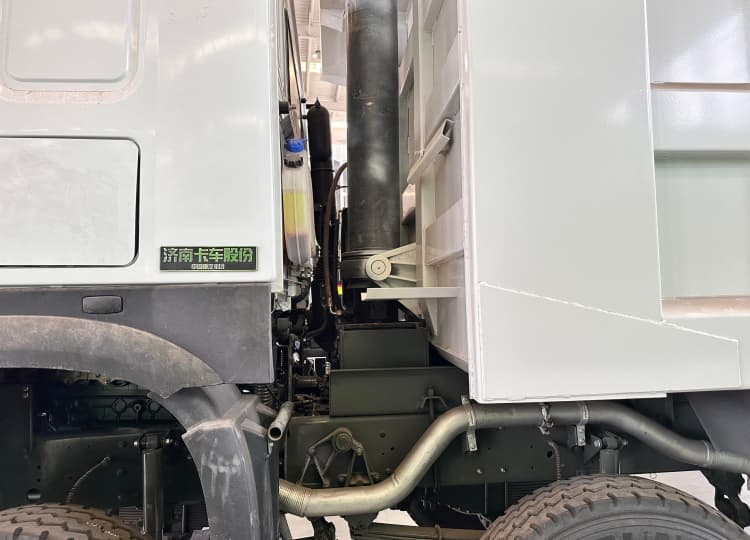
- Full disassembly and mandatory NDT (UT, MPI, RT) identify and eliminate crack risks before they become catastrophic failures.
- Defective high-stress parts are scrapped rather than patched; recoverable parts are restored to OEM dimensional limits.
- By clearing hidden fatigue, the truck avoids the steep value drop that hits assets with unaddressed structural damage.
Buyers pay a premium when fatigue integrity is proven.
Restores performance parity with new OEM design specifications
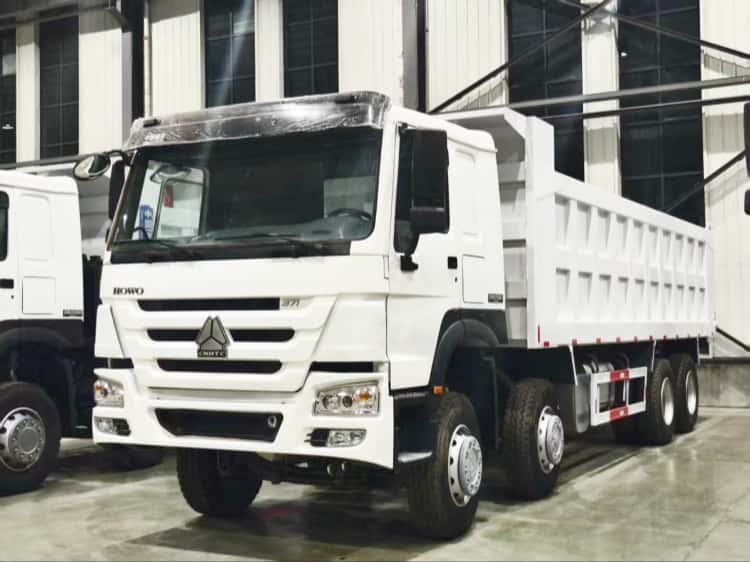
Value is tied directly to predictable performance. Standard remanufacturing is built around recovering original engineering intent.
- Worn mating surfaces, tolerances and system calibrations are machined, rebuilt and bench-tested back to factory thresholds.
- Powertrain, hydraulic and brake systems pass formal acceptance tests, delivering new-equivalent output and reliability.
- This separates standard reman truck from ordinary rebuilt units, which often retain degraded performance and carry heavy value discounts in resale markets.
Builds auditable traceability to eliminate buyer uncertainty
Most fleet buyers discount used trucks because there is no reliable proof of what has — or has not — been fixed.
- REMAN ROAD enforces full part lineage, component grading records, test reports and NDT documentation.
- Every reusable, repaired or scrapped component is logged; records travel with the vehicle for its remaining lifecycle.
- A complete, verifiable audit trail reduces risk for the next buyer. Lower perceived risk directly supports higher resale value and faster liquidity when the fleet rotates assets.
Prevents premature value erosion from hidden failures
Cheap refurbishment often trades short-term low cost for accelerated breakdowns, which permanently tank a truck’s market reputation and value.
- Standard remanufacturing follows fixed gate reviews: structural assessment, material evaluation, component grading, bench validation and final certification.
- Hidden wear points in bearings, seals, gears and fasteners are systematically replaced instead of left in service.
- Fewer unplanned breakdowns mean lower downtime records, cleaner service history and a stronger value profile over multiple ownership cycles.
Standardized warranty framework creates tangible value support
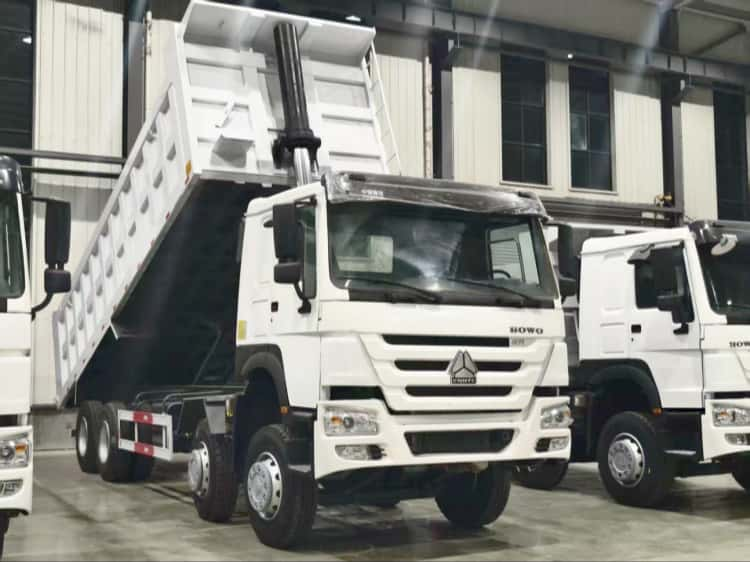
Warranty is not just a risk protection tool — it is a value marker.
- Standard reman truck carry formal, consistent warranty terms aligned with the reman standard, unlike vague “as-is” or limited 30-day refurb warranties.
- The warranty transfers to subsequent buyers in many fleet transactions, preserving value through resale.
- Buyers will accept higher pricing when backed by enforceable warranty coverage, rather than discounting heavily for unknown risk.
Improves compliance readiness for cross-border and secondary markets
Regulatory disqualification can render a heavy truck nearly worthless in target markets.
- Standard remanufacturing validates emissions architecture, VIN authenticity and modification status during the core qualification phase.
- The vehicle is rebuilt to satisfy the regulatory rules of its destination market.
- This avoids costly rejection at customs or registration failure, preserving its market access and usable value across regional borders.
Aligns asset condition with transparent TCO modelling
Fleet buyers value assets they can forecast. Standard reman brings predictability to total cost of ownership.
- Depreciation curves flatten compared to ordinary used trucks, because remaining useful life is quantified rather than guessed.
- Maintenance scheduling, parts consumption and downtime risk become easier to model for budgeting.
- When fleets sell or remarket standard reman truck, they can back their asking price with objective TCO data instead of competing on low, risky used-truck pricing.
Closing
Standard remanufacturing preserves heavy truck value by attacking the root causes of depreciation: hidden fatigue, unproven quality, missing records and uncertain reliability. It converts subjective “used truck value” into objective, documented asset value recognised by fleet operators, financiers and secondary market buyers. Without this standardised engineering reset, even mechanically running trucks will continue losing value fast due to unresolved hidden risks.