How Standardised Remanufacturing Reduces Waste in the Truck Industry?
Intro
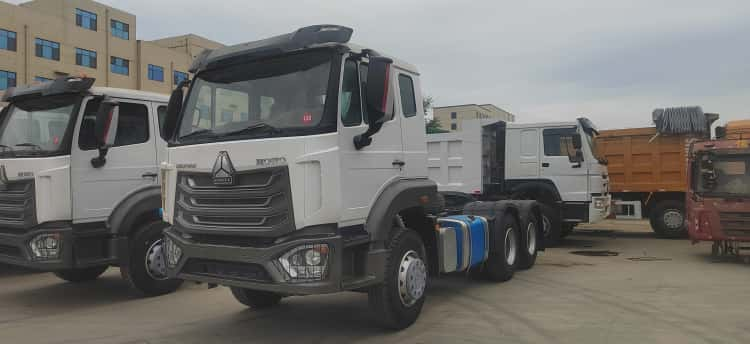
The conventional lifecycle of heavy trucks generates massive waste: worn vehicles are sent for full scrap, usable castings and forgings are melted down, while functional components end up discarded alongside failed parts. Cosmetic refurbishment does little to fix this systemic waste.
Standardised remanufacturing under REMAN ROAD creates a structured waste-reduction system. It does not merely “reuse old parts”; it rationally separates what can be restored, what can be harvested and what must be scrapped, minimising virgin material demand and lowering the volume of waste entering disposal streams.
Retain high-value core assets instead of mass scrapping
The biggest waste source in the truck sector is premature scrapping of structurally sound cores.
- Most end-of-life trucks are retired because of localised wear in bearings, seals, gaskets or minor component failures, not frame or casting failure.
- Standardised remanufacturing screening identifies cores with remaining fatigue capacity. The chassis, axles, engine blocks, cylinder heads and other major castings are retained as the base asset, rather than being shredded and sent for smelting.
- Smelting steel and castings consumes huge energy and creates process waste, slag and emissions. Keeping these intact eliminates this entire waste stream for the core structure.
Granular component grading prevents good parts from being wasted
Without formal grading, whole assemblies are discarded if one small part fails.
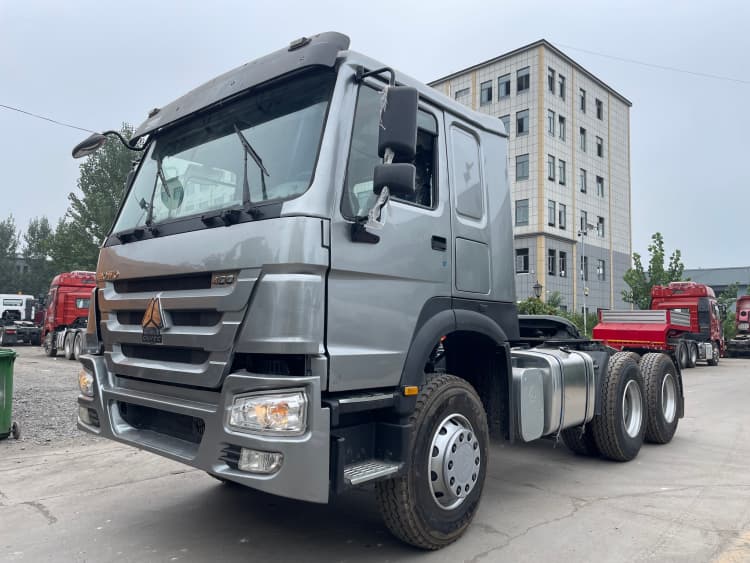
- In REMAN ROAD standardised remanufacturing workflow, every single component is cleaned, measured and tested, then sorted into three fixed grades: reusable, repairable, mandatory scrap.
- Serviceable parts that still sit within OEM tolerance limits are retained for reassembly or stocked into a reusable component pool for future reman jobs.
- Parts that can be restored via machining, grinding or approved overlay repair are recovered, instead of thrown away just because they show wear.
- Only components that hit irreversible damage thresholds are formally scrapped. This avoids the common industry practice of discarding an entire assembly due to a single failed element.
Extend component service cycles through repeated reset
Standardised remanufacturing workflow builds circular reuse loops for qualified parts.
- A recovered crankshaft, axle housing or suspension bracket can go through multiple reman cycles over its service life, as long as it continues to pass NDT and dimensional checks at each gate.
- Instead of becoming waste after one service period, these high-value components circulate across multiple fleet assignments.
- This distributed lifecycle extension directly reduces the frequency that new replacement castings and forgings need to be produced, cutting the associated manufacturing waste.
Controlled repair reduces reliance on throwaway replacement culture
The heavy-duty aftermarket often defaults to “replace rather than repair”, which drives part waste.
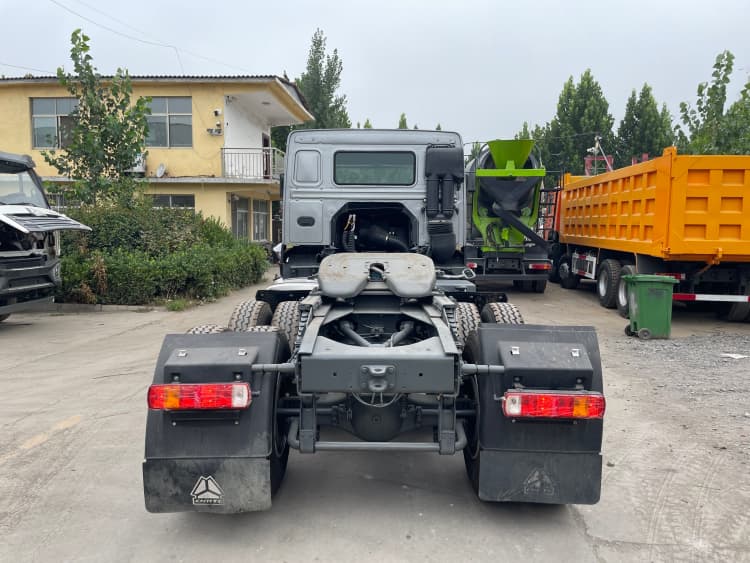
- Standardised remanufacturing validates and documents approved repair methods: crankshaft grinding, line boring, surface overlay and precision machining.
- Where engineering rules permit, worn mating surfaces are restored rather than ordering a brand-new replacement part.
- Repairs are only authorised when post-repair testing confirms OEM-equivalent strength and tolerance, so safety is never traded for waste reduction.
- This shifts the mindset from disposable components to repairable assets.
Separates hazardous waste at source for compliant treatment
Unregulated dismantling creates mixed waste streams that are hard to recycle safely.
- During full disassembly, fluids (engine oil, coolant, hydraulic fluid), filters, rubber seals and contaminated materials are segregated immediately.
- Hazardous waste is captured, treated and disposed of under environmental regulations, rather than leaking into soil or being mixed with clean metal scrap.
- Standardised remanufacturing workflow prevent cross-contamination, improving the quality of recyclable metal and reducing the burden on downstream waste handlers.
Reduces embodied waste from virgin material production
Waste reduction is not only about end-of-life material; it also cuts upstream industrial waste.
- Mining, ore processing, forging, casting and machining of new heavy truck components all generate large volumes of tailings, scrap shavings, slag and machining waste.
- By reusing qualified cores and graded components, standard reman reduces the demand for newly manufactured parts.
- Every certified reman truck displaces the need for virgin material extraction and primary production, eliminating that upstream waste before it is even created.
Creates clear exit rules for non-recoverable parts to avoid waste greenwashing
True waste reduction does not claim infinite reuse. Some components cannot be recovered.
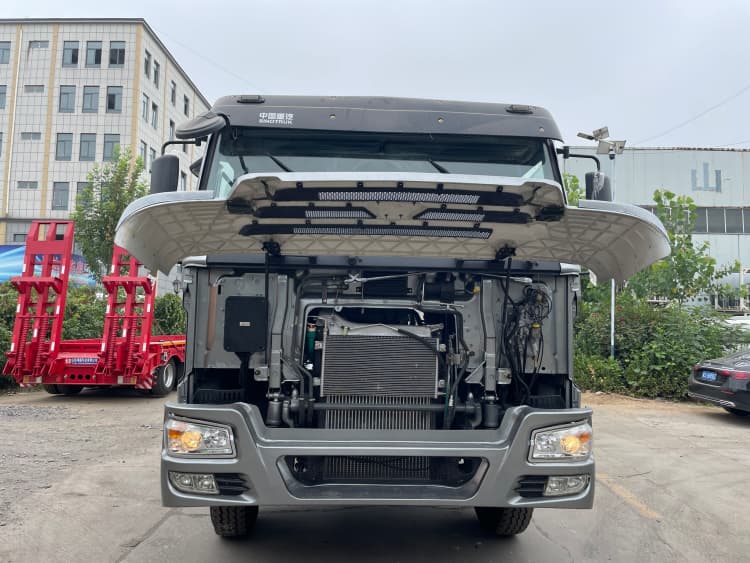
- REMAN ROAD standardised remanufacturing workflow defines clear mandatory scrap boundaries. Cracked, embrittled or fatigued parts are not patched and reintroduced into service.
- These rejected components are channelled into regulated metal recycling streams, not dumped.
- This distinguishes standardised remanufacturing from low-grade refurbishment, where unsafe damaged parts are hidden in finished vehicles, leading to early catastrophic failure and accelerated waste generation later.
Long-term fleet waste reduction through predictable uptime
Unplanned breakdowns indirectly create extra waste.
- Uncertified low-quality refurbished trucks fail prematurely, requiring emergency part swaps, roadside repairs and early vehicle retirement. Each failure event generates extra waste from discarded components and wasted labour.
- Standardised remanufacturing ’s testing and traceability reduce premature failures. Assets stay in controlled, planned service cycles, with maintenance scheduled in advance. Planned component replacement is more efficient and produces less chaotic waste than emergency breakdown repairs.
Closing
Standardised remanufacturing workflow cuts truck industry waste on two fronts: it preserves high-value metal assets to avoid scrapping and upstream production waste, and it sorts every component rationally so only truly unrecoverable material enters scrap streams. It replaces the linear pattern of “make, use, discard” with a managed circular system. Waste reduction here is not a secondary marketing benefit — it is built into the grading, inspection and core eligibility rules of the REMAN ROAD standard.