The Environmental Logic of Circular Remanufacturing Explained Simply
Intro
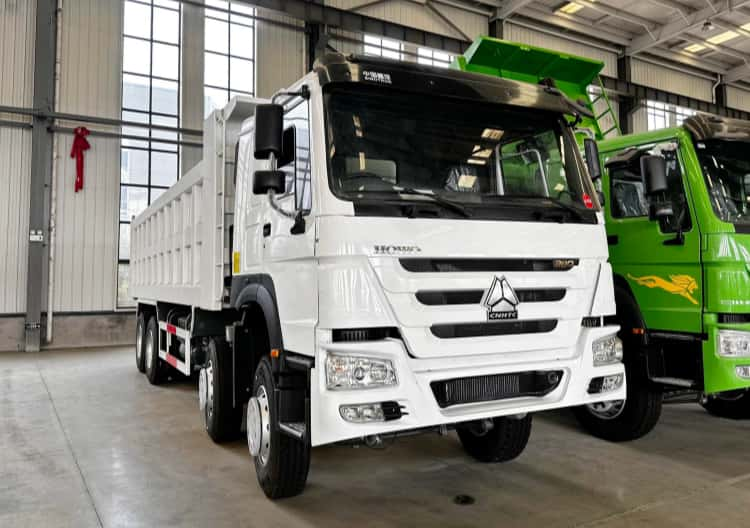
Circular remanufacturing often sounds like complex sustainability jargon. At its core, the environmental logic is easy to follow — especially for heavy-duty trucks. Instead of treating old vehicles as waste once parts wear out, certified circular remanufacturing under REMAN ROAD keeps high-value structural assets in productive use. It is not just “recycling metal” or cleaning up a used truck. It creates a closed loop that reduces harm at every remanufacturing stage, from raw material extraction to end-of-life disposal.
The linear model: the default waste-heavy path
The traditional truck lifecycle follows a simple linear chain: take raw materials, build a new truck, run it, then scrap it.
- Mining, smelting and forging thick frame steel, engine castings and axles consume massive amounts of coal, electricity and water.
- Even when scrap steel is melted down for reuse, reprocessing still burns energy and generates slag, fumes and industrial waste.
- Most of the carbon emitted to make the original chassis is lost once the truck goes to the shredder. That embedded environmental investment is thrown away.
Circular remanufacturing breaks this default pattern.
Keep the big, carbon-heavy core instead of melting it
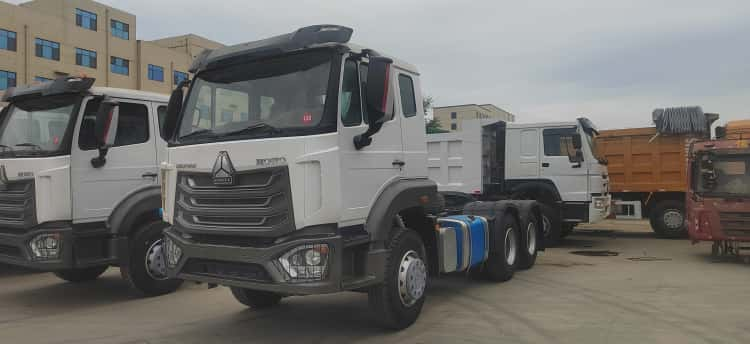
A heavy truck’s frame, axle housings and engine block carry the largest environmental footprint.
- These parts are built to last. Most are retired not because the steel has failed, but because bearings, gaskets or other small wear items break down.
- If the core passes NDT, dimensional checks and corrosion tests, reman keeps this main structure intact.
- This avoids repeating the highly polluting process of making brand-new castings and formed steel from ore. This is the single biggest environmental gain of circular remanufacturing.
Sort parts intelligently: reuse, repair, scrap — no blanket disposal
In circular remanufacturing, every component gets inspected and sorted into three groups.
- Good parts within OEM tolerance limits are reused directly.
- Slightly worn parts get precision repaired and restored to specification.
- Only parts with irreversible cracking, metallurgical damage or excessive corrosion are sent for scrap recycling.
Without this grading system, it is common practice to throw away an entire expensive assembly just because one small piece fails. Circular remanufacturing stage stops that unnecessary waste.
Cut energy consumption far below new production
Manufacturing a new heavy truck component uses vastly more energy than restoring a qualified used one.
- Machining, grinding, approved overlay welding and bench testing for reman use only a fraction of the power needed for smelting, casting and hot forming.
- Lower energy use directly translates to fewer greenhouse gas emissions.
- Unlike informal refurbishment, circular remanufacturing does not trade safety for environmental benefits. All restored parts must meet OEM performance thresholds.
Reduce mixed and hazardous waste
Unregulated dismantling creates messy pollution risks.
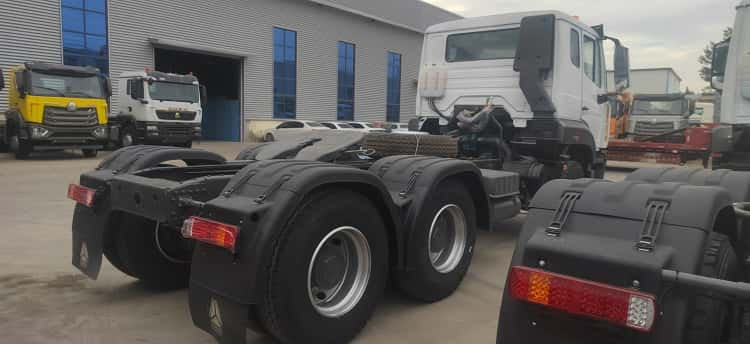
- Oil, coolant, hydraulic fluid, filters and rubber components are separated at the start of the reman workflow.
- Hazardous materials are captured and treated properly, rather than leaking into soil or contaminating scrap metal piles.
- Clean steel scrap from rejected parts stays segregated, which improves recycling efficiency and reduces secondary waste.
Avoid greenwashing: reman has clear boundaries
True circular remanufacturing does not claim infinite reuse. Some parts cannot be saved.
- Cracked, fatigued or heat-damaged structural components are never patched and put back into service.
- These parts go into formal recycling streams, not landfills.
- This separates REMAN ROAD certified circular remanufacturing from superficial cosmetic refurbishment. Cheap painted-over trucks may look sustainable, but hidden defects lead to early breakdown and premature scrapping — creating more waste over time.
Cumulative fleet-level environmental impact
When fleets choose circular reman truck, the environmental benefit scales up.
- Less demand for newly manufactured heavy vehicles eases pressure on raw material supply chains.
- Lower overall emissions can be documented for Scope 3 carbon reporting and ESG disclosures.
- For markets across Central Asia and Africa, reman provides reliable transport capacity without the high carbon cost of importing brand-new fleets.
Closing
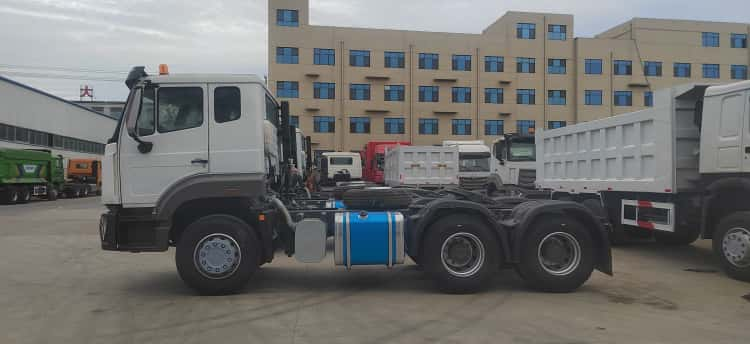
Put simply, the environmental logic of circular remanufacturing is this: preserve the parts that already carry a huge carbon cost, fix what can safely be fixed, recycle what cannot, and avoid re-making heavy metal components from scratch. It turns heavy trucks from one-and-done industrial products into circulating assets. When governed by standards like REMAN ROAD, circular reman truck delivers real, measurable environmental savings instead of empty sustainability claims.