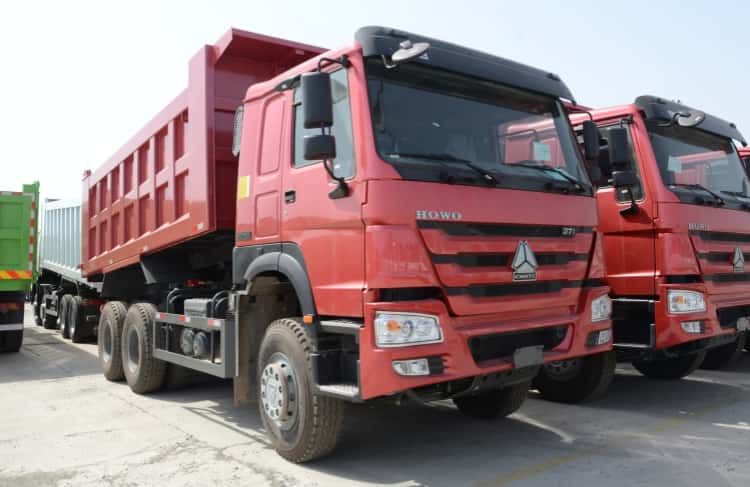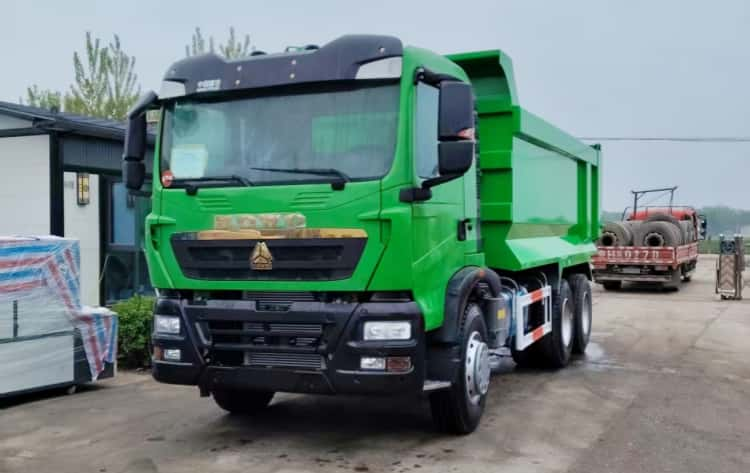
Core Principles That Separate Authentic Remanufacturing From Cheap Refurbishment
Introduction
Fleet buyers often confuse cheap refurbishment with authentic remanufacturing, and the mix-up frequently leads to costly surprises. On the surface, both result in a truck that starts and drives, but the underlying processes, risk levels and long-term TCO are vastly different.
Authentic remanufacturing follows fixed, engineering-driven benchmarks as defined by REMAN ROAD, treating regeneration as a controlled manufacturing process. Cheap refurbishment is reactive, ad-hoc repair work focused only on getting the vehicle operational with minimal investment.
Understanding these foundational principles helps procurement teams avoid low-quality assets that appear affordable upfront but trigger repeated downtime on mine and quarry sites.
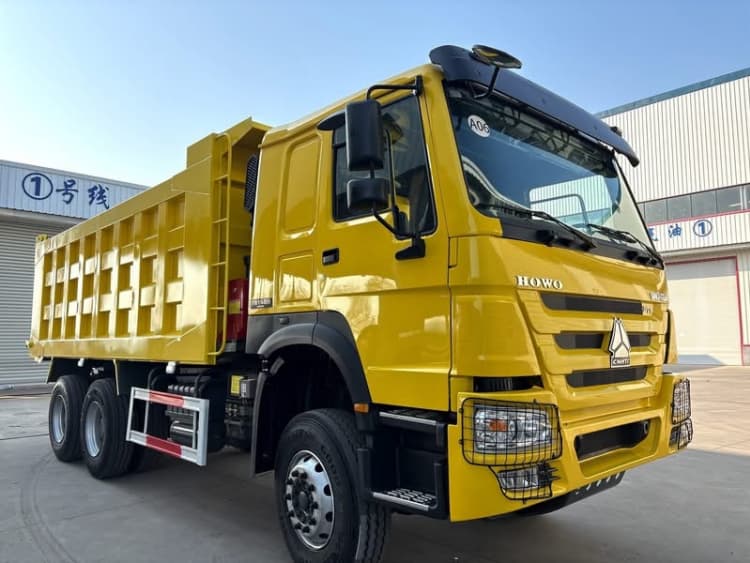
Full disassembly of critical assemblies, not spot repair
Authentic remanufacturing requires complete teardown of all high-stress core assemblies, regardless of visible condition. Every part is cleaned, measured and classified against tolerance specifications.
Refurbishment typically only disassembles parts that are obviously broken or malfunctioning. Components that look intact are left untouched, hiding accumulated fatigue and hidden wear that can fail suddenly under heavy off-road loads. This partial work is the first major dividing line between the two approaches.
Mandatory non-destructive testing for load-bearing cores
Structural failures are the most dangerous and expensive breakdowns for heavy haul fleets. Authentic remanufacturing integrates systematic NDT testing for frames, crankshafts, axle housings and other load-carrying components to detect subsurface fatigue cracks that visual checks cannot identify.
Cheap refurbishment rarely includes NDT. It relies purely on visual inspection, which misses internal damage. For quarry and mining fleets, this omission creates a major safety and production risk.
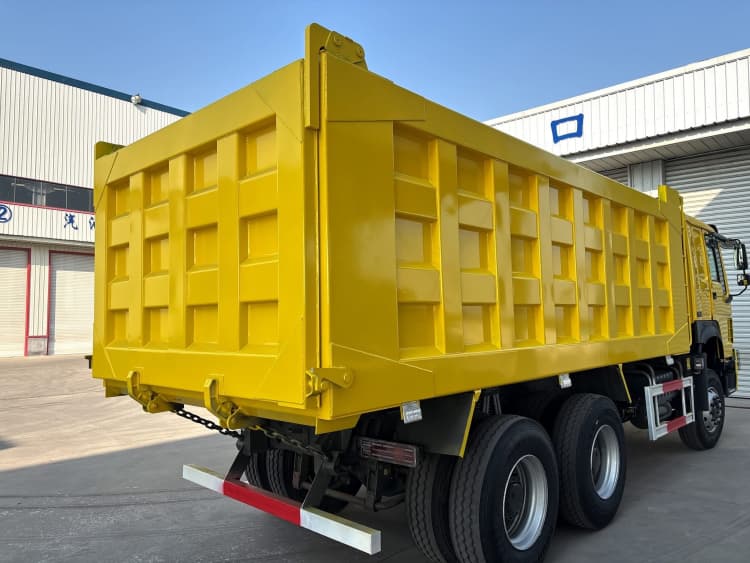
Standardised mandatory replacement list for high-cycle wear parts
Authentic remanufacturing has a fixed bill of wear components that must be renewed on every unit: seals, bearings, gaskets, friction linings and injector components. This rule applies universally, no exceptions, to establish a consistent, predictable service cycle.
Refurbishment replaces parts only when they are clearly worn or failed. Service life becomes unpredictable, because leftover aged components may fail at any point mid-shift.
Performance reset toward original OEM specifications
The target of authentic remanufacturing is to restore the assembly close to its original factory performance, power curve and fuel efficiency. Final dynamometer and load testing verify output before delivery.
Refurbishment’s only goal is basic functionality. The engine or drivetrain may run, but compression, injection timing and driveline drag can remain substandard, leading to higher fuel burn and degraded productivity over time.
Serialised, complete traceability and formal documentation
Every authentic reman trucks comes with serial-number-bound records: NDT reports, dimensional check logs, parts replacement manifest, test results and certification documents. This audit trail supports tender reviews, ESG audits and warranty claim resolution.
Cheap refurbishment usually provides only a simple repair invoice, with no proof of what work was performed. When disputes or breakdowns happen, there is no objective evidence to validate quality.
Repeatable, standardised process rather than workshop-by-workshop variation
Authentic remanufacturing is a standardised production workflow. The same inspection, cleaning, replacement and testing rules apply to every truck, regardless of technician.
Refurbishment depends heavily on individual mechanic judgement. Quality fluctuates wildly between vehicles, even if they come from the same shop. This inconsistency makes long-term fleet maintenance planning nearly impossible.
Clearly defined warranty based on process compliance
Authentic reman warranty covers defects originating from the rebuild process, with defined coverage terms for off-road heavy-duty applications.
Refurbishment warranties are usually short, limited and full of exclusions for overload, dust, gradient work or continuous operation. Many low-grade refurbishers disclaim responsibility for structural core failures entirely.
Conclusion
The core distinction between authentic remanufacturing and cheap refurbishment boils down to process discipline. Authentic remanufacturing is a standardised regeneration system with full disassembly, fatigue screening, mandatory part renewal, performance validation and auditable records.
Refurbishment is a quick patch job focused on minimum cost. For fleets prioritising uptime, predictable TCO and audit compliance, this difference is decisive when selecting heavy haulage assets.