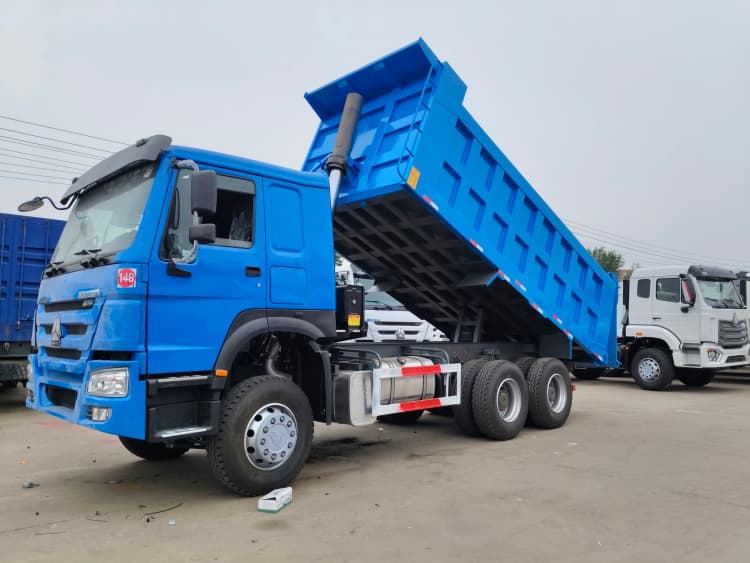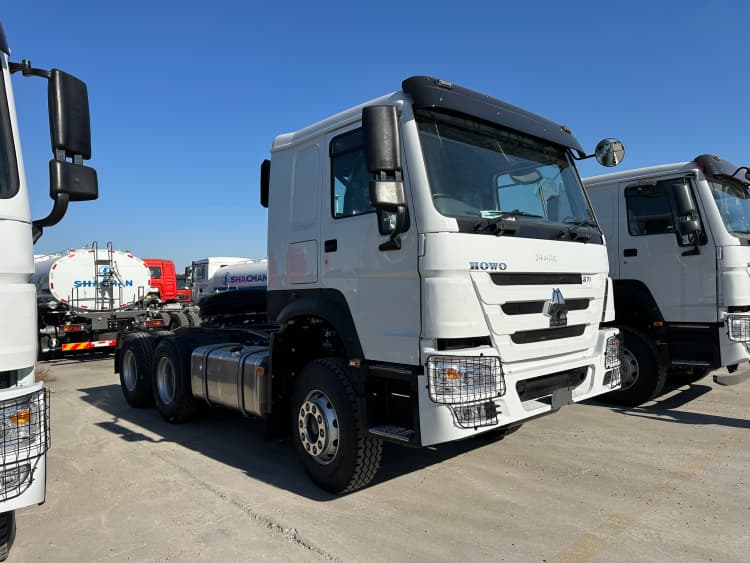
What Industrial Standards Govern Certified Heavy Truck Remanufacturing?
Introduction
Procurement teams often ask what separates legitimate certified heavy truck remanufacturing from informal rebuild work. The answer lies in formal industrial standards that define every step of core regeneration. Without aligned standards, rebuild quality varies wildly between workshops, leaving fleets exposed to structural failure, inconsistent performance and audit non-compliance.
REMAN ROAD’s certified heavy truck remanufacturing follows internationally recognised and engineering-focused standards, establishing repeatable rules for core recovery, inspection, reconditioning, testing and documentation. Understanding these benchmarks helps buyers verify supplier qualifications and avoid low-grade rebuilds marketed as reman trucks.
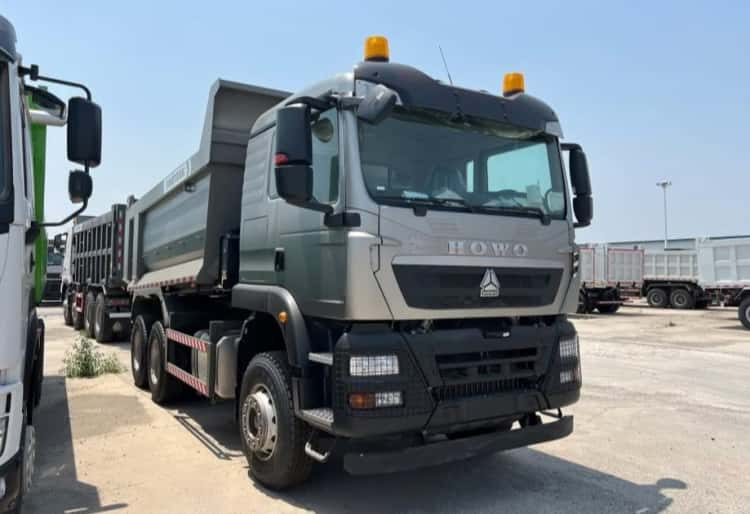
ISO 10987-2: The primary international benchmark for off-road machinery remanufacturing
ISO 10987-2:2017 is the core international standard covering sustainability and remanufacturing for earth-moving and off-road heavy equipment, including quarry and mining dump trucks.
It defines the formal definition of remanufacturing, mandatory identification and labelling requirements, full process flow from core take-back through disassembly, cleaning, inspection, reassembly and final validation.
It also outlines traceability rules, requiring each reman trucks or core to carry a unique identifier so its lifecycle history can be tracked. This standard differentiates certified heavy truck remanufacturing from simple repair, requiring the finished asset to return to like-new performance specifications, not merely operational function.
SAE industry standards for heavy-duty vehicle component rebuilds
SAE International publishes widely adopted recommended practices for heavy-duty alternators, starters, drivetrain assemblies and engine sub-components. Documents such as SAE J2075 set minimum rebuild protocols, cleaning requirements and performance validation guidelines for heavy-duty and industrial truck parts.
These SAE standards are heavily used across North American and global aftermarket fleets. They specify that components must be rejected if they fail engineering tolerances, and require suppliers to document all replaced wear parts. Many global fleet tender specifications reference SAE guidelines as a baseline for acceptable reman quality.
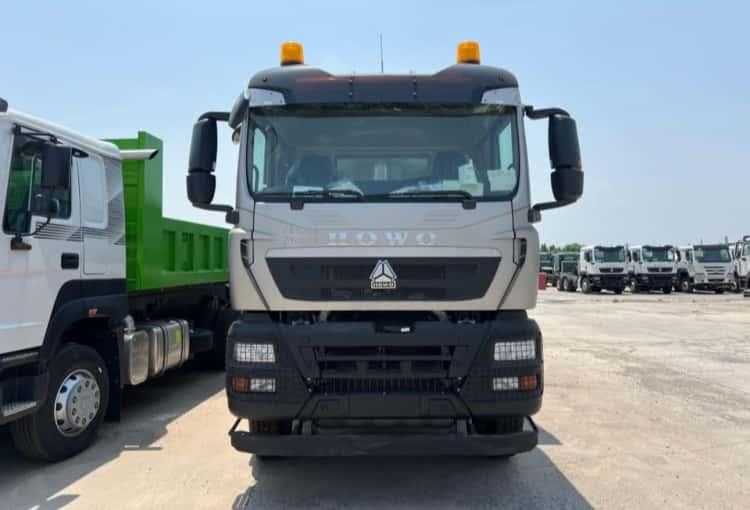
Quality management baseline: ISO 9001 for process control
ISO 9001 is not a reman-specific standard, but it is a foundational requirement for credible certified remanufacturers. It enforces consistent quality management, controlled work instructions, staff training protocols, non-conformity resolution and audit trails.
REMAN ROAD heavy truck remanufacturing integrates ISO 9001 controls across its reman facility: every inspection log, NDT report and dynamometer test result is captured within the quality system. Without ISO 9001-aligned workflows, standardisation collapses, and rebuild quality becomes dependent on individual mechanic judgement. Supplementary environmental and safety standards such as ISO 14001 are often adopted alongside it for ESG-focused fleets.
NDT and material testing standards for fatigue screening
A critical subset of heavy truck remanufacturing standards governs non-destructive testing. These codes define correct execution for ultrasonic testing, magnetic particle inspection and penetrant inspection used on frames, crankshafts and axle housings. These standards specify equipment calibration, technician certification, test coverage and reporting rules.
They ensure fatigue screening is not a token step. A supplier claiming to perform NDT but operating outside recognised testing standards may miss subsurface cracks, creating severe safety risks for off-road haulage cycles.
Regional national specifications for domestic and cross-border compliance
Many export markets and manufacturing regions maintain their own national remanufacturing specifications. These local standards cover acceptance criteria, energy-saving calculation methods, disassembly rules and serialised documentation.
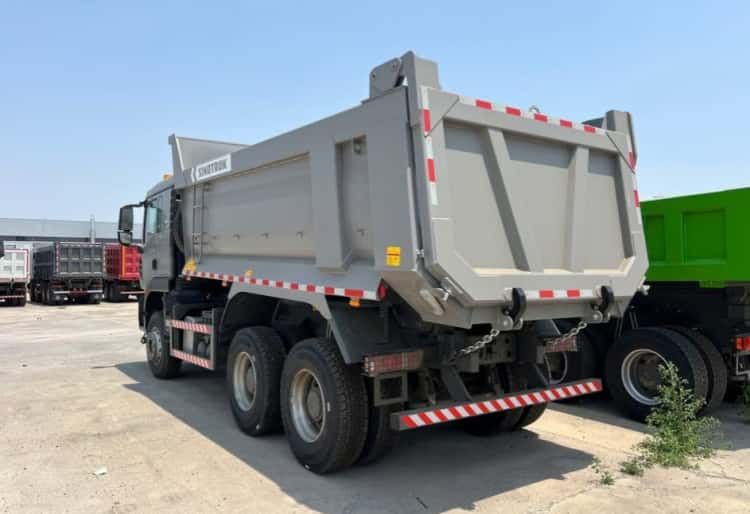
They are especially relevant when importing reman dump trucks into regulated markets, where customs and project auditors require proof that the rebuild complies with local industrial recycling and equipment safety rules. These national standards often align with ISO 10987-2 but add region-specific reporting, labelling or waste-handling clauses.
What standards do NOT cover, and where buyers need to add requirements?
No universal standard automatically covers site-specific quarry or mine heavy-duty operation. Base standards set minimum rules, but buyers must add supplementary specification clauses at order time: off-road load testing, repeated downhill brake validation, dust-seal upgrade requirements and extended off-road warranty terms. A unit built only to the minimum standard for highway use may not hold up under continuous quarry shock loads, even if it meets formal published benchmarks.
Conclusion
Certified heavy truck remanufacturing is governed by a layered framework: ISO 10987-2 for off-road machinery reman principles, SAE component rebuild guidelines, ISO 9001 for quality consistency, and recognised NDT testing standards for fatigue screening.
These standards turn heavy truck remanufacturing from an informal repair into an auditable manufacturing process. For fleet buyers, verifying that a supplier adheres to these benchmarks is the most reliable way to separate genuine certified heavy truck remanufacturing from unregulated refurbishment.