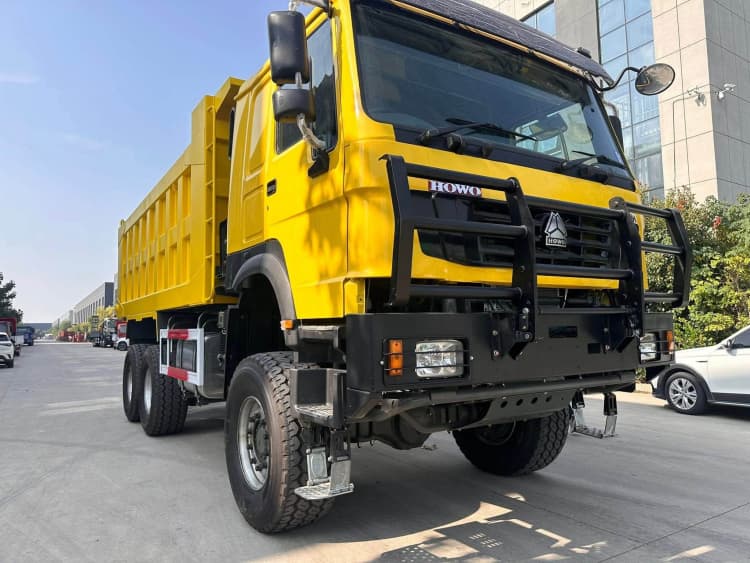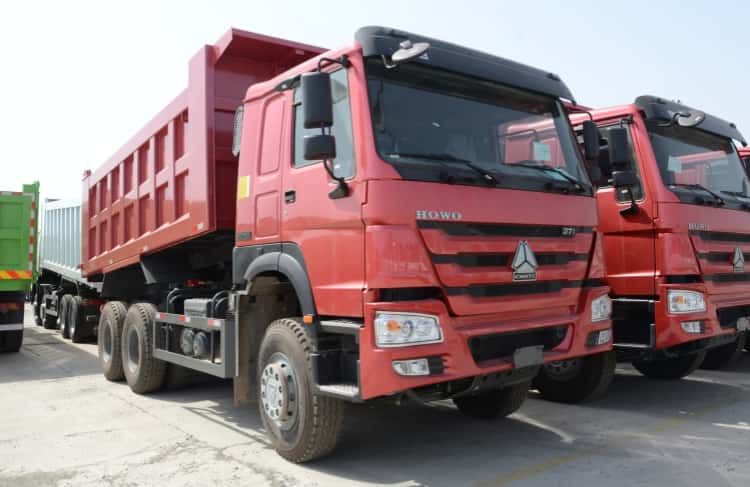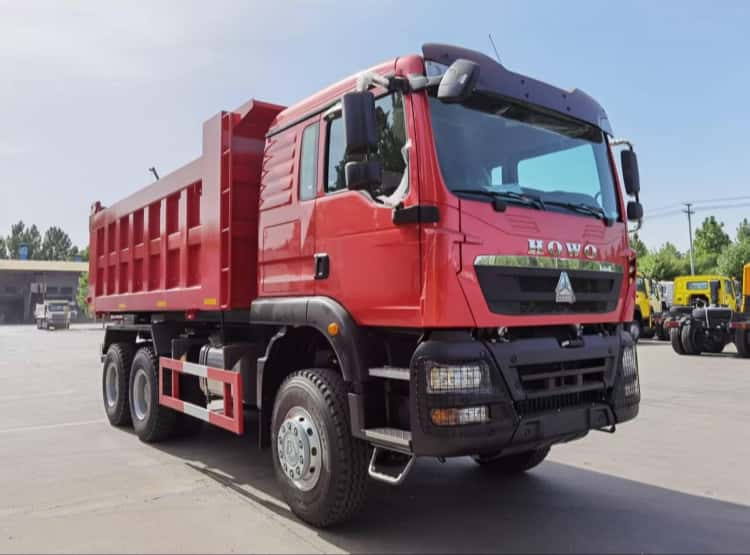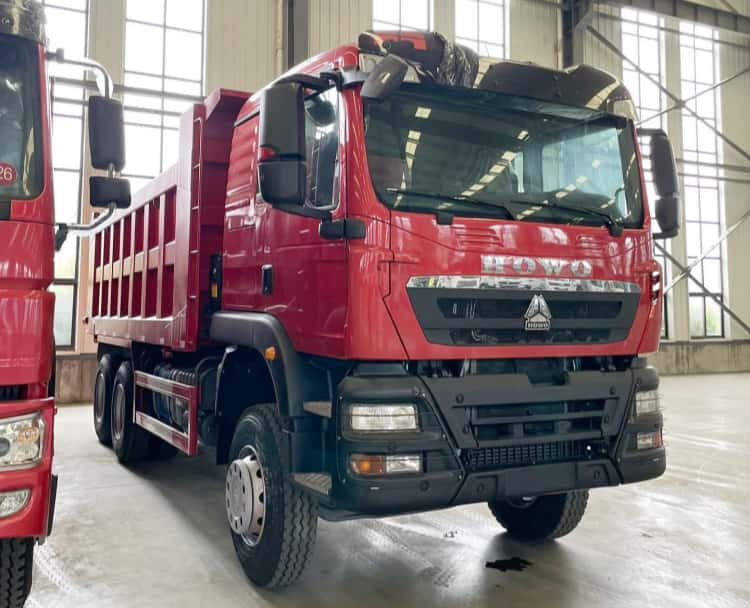
Professional Reman as a Solution For Supply Chain Disruption In Heavy Vehicle Markets
Introduction
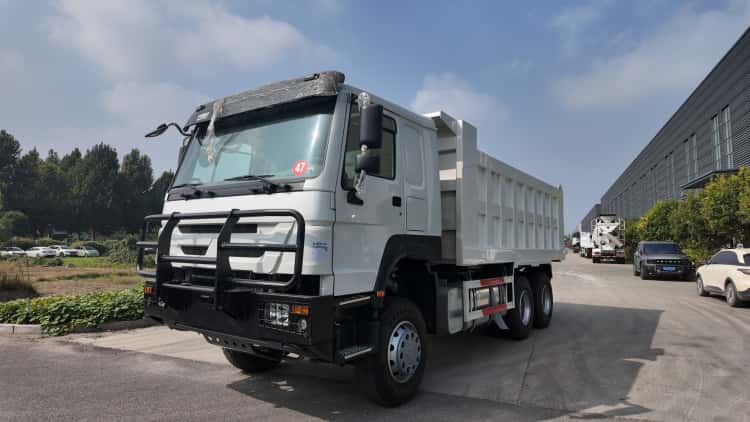
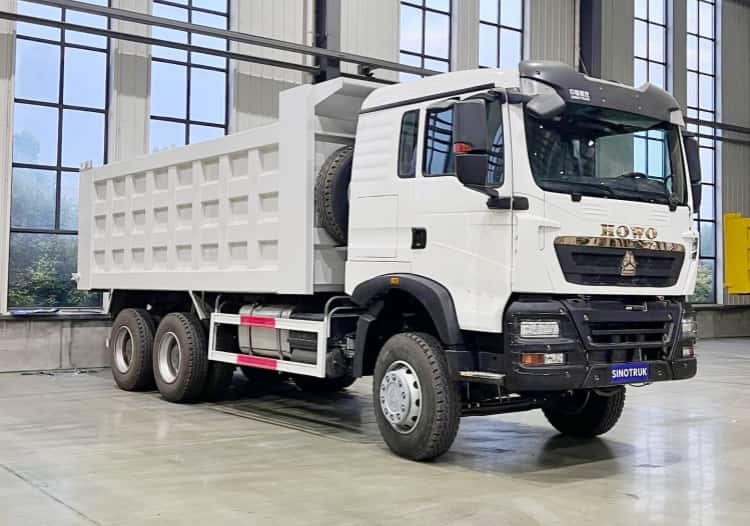
Global heavy vehicle markets have repeatedly faced supply chain disruptions: OEM production backlogs, component shortages, cross-border shipping delays and raw material price volatility. For mining, quarry and bulk haulage fleets waiting for brand-new dump trucks, long lead times can derail contract timelines, limit haulage throughput and cost valuable tender opportunities.
Professional remanufacturing under REMAN ROAD benchmarks offers a dependable workaround. Built on mature reverse logistics and stocked qualified cores, it decouples fleet capacity planning from the unpredictable timelines of factory-new vehicle manufacturing.
Pre-qualified core inventory shortens delivery cycles
New truck production depends on synchronised delivery of hundreds of brand-new castings, forgings and electronic modules. If one key part is delayed, the whole build stalls.
Professional remanufacturing operations maintain an inventory of pre-inspected, NDT-qualified engine blocks, crankshafts, axle housings and chassis cores. These cores have already passed fatigue testing and dimensional verification. When an order comes in, technicians only need to recondition the core and install fresh wear components, cutting lead times dramatically compared to OEM manufacturing.
Reverse supply chain reduces reliance on OEM spare part pipelines
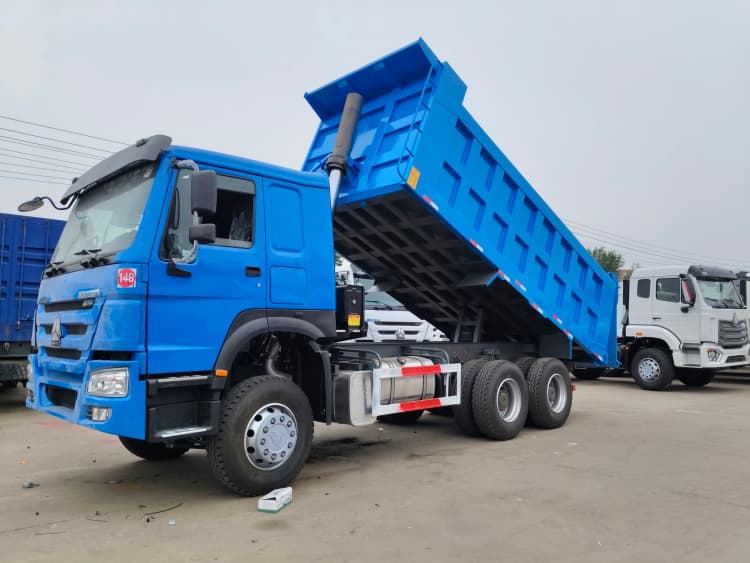
Many older heavy truck models lose factory aftersales support over time, making replacement parts difficult or impossible to source. The reman closed-loop system recovers functional cores from retired fleet assets and keeps them circulating.
This creates an independent secondary supply stream for high-value assemblies. Contractors no longer need to wait months for scarce OEM components or settle for incompatible aftermarket alternatives.
Standardised build specs simplify batch ordering amid unstable supply
During supply shocks, available new equipment often comes with random spec changes or limited configuration options. REMAN ROAD professional remanufacturing follows fixed, repeatable rebuild standards for each truck model.
Every batch of reman trucks maintains consistent powertrain, braking and sealing specifications. This uniformity makes fleet maintenance, spare parts stocking and operator training simpler, even when new vehicle supply is inconsistent.
Flexible delivery scheduling matches uncertain project timelines
Supply chain volatility makes it risky to place long-term orders for new trucks. If a project slows down or client payments are delayed, fleets can be left with fully paid, idle equipment.
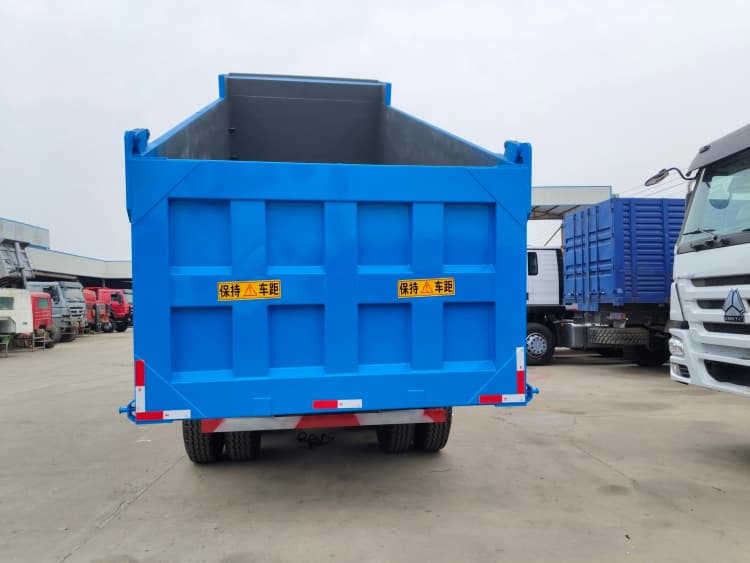
Certified reman trucks support phased, milestone-based delivery. Operators can pause or adjust upcoming deliveries without heavy financial penalties, giving procurement teams more agility to respond to shifting haulage demand.
Stabilise equipment costs amid raw material inflation
New truck pricing is highly sensitive to steel, alloy and energy price swings. Professional remanufacturing’s main input is recovered cores, so its cost structure is less exposed to virgin metal market spikes.
For fleet managers budgeting multi-year haulage contracts, professional remanufacturing provides greater cost predictability when new equipment quotes keep rising.
Complement, rather than fully replace, new vehicle procurement
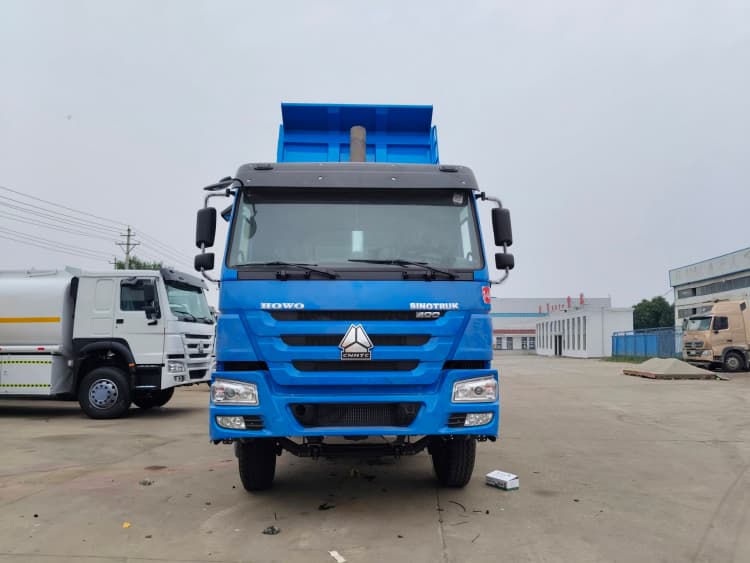
Professional remanufacturing is not intended to replace all OEM purchases. It works best as a complementary capacity tool. Fleets can still buy new trucks for permanent, multi-decade core site fleets, while using reman trucks to fill temporary peaks, cover unexpected breakdown replacements or support short-term infrastructure projects when OEM delivery is out of reach.
Conclusion
Professional remanufacturing addresses heavy vehicle supply chain disruption by creating an alternative, self-contained equipment supply stream. Pre-screened core stock, shorter lead times, independent reverse logistics and stable pricing help haulage operators avoid being held hostage by OEM production delays.
For fleets navigating uncertain global supply conditions, professional remanufacturing is a practical strategy to protect haulage capacity and keep project schedules on track.