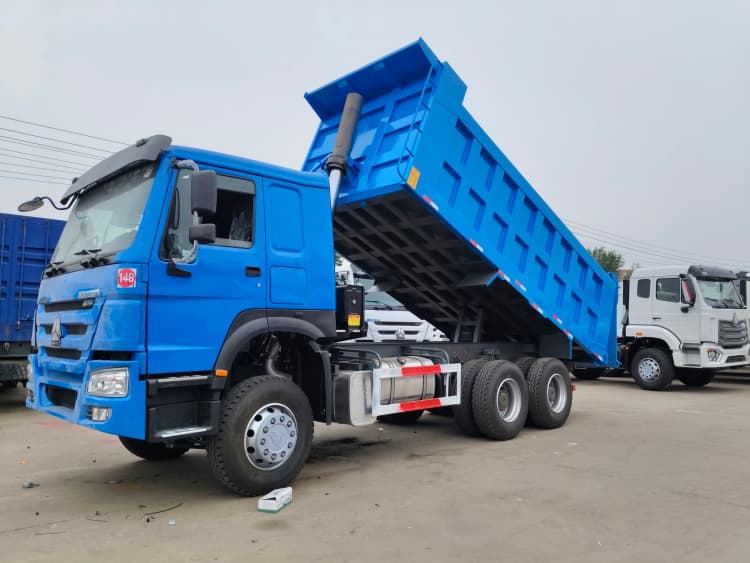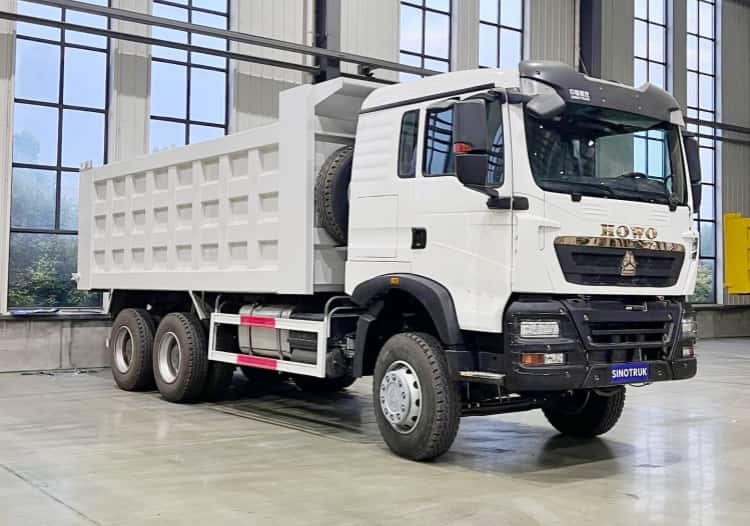
Can Certified Remanufactured Trucks Match The Reliability of New Units?
Introduction
A top concern for fleet procurement teams is reliability. Many operators assume only brand-new heavy trucks can deliver consistent uptime for demanding mine, quarry and bulk haulage cycles, while viewing remanufactured options as second-tier substitutes.
The reality is that properly certified remanufactured trucks built under REMAN ROAD standard benchmarks can deliver reliability comparable to new units — but only when the reman procedures follows rigorous engineering rules, strict inspection protocols and formal pre-delivery validation. Reliability is not inherent to the label “remanufactured”; it comes from disciplined, repeatable reman procedures.
The reliability foundation: core qualification and NDT screening
New trucks start with brand-new cast and forged cores, free from prior fatigue stress. Certified remanufactured trucks begin with used cores that must pass a strict qualification gate. Every load-bearing component including frame, crankshaft and axle housing goes through NDT non-destructive testing and precision dimensional measurement.
Any part with subsurface fatigue, deformation or tolerance drift is rejected for recycling. Only structurally sound cores enter production. This screening eliminates the biggest source of catastrophic field failures, closing the reliability gap against new equipment.
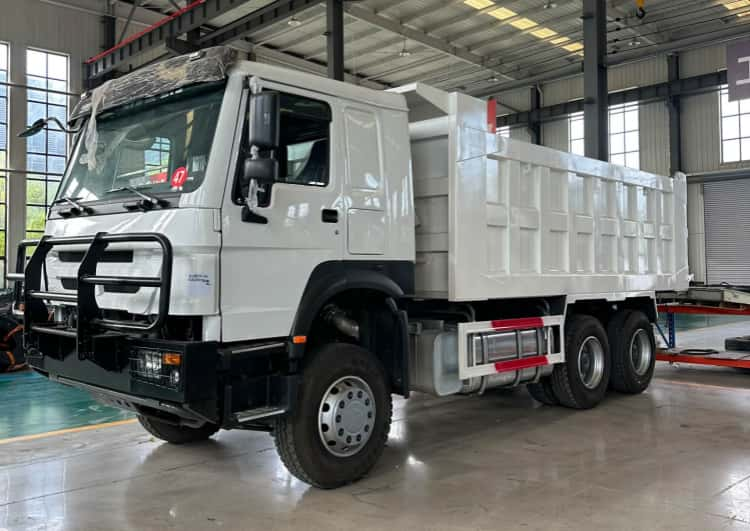
Mandatory renewal of all high-cycle wear components
One key similarity to new truck assembly is the full refresh of consumable parts. In standardised reman procedures, bearings, seals, gaskets, brake friction materials, injector parts and hydraulic seals are replaced by default, with no exceptions. These are the components that degrade fastest under heavy off-road loads.
With fresh wear parts installed, the rebuilt drivetrain and chassis sub-systems start service with a clean lifecycle baseline, just like their new counterparts. Cheap refurbishment skips this step, which is why those units cannot match new-vehicle reliability.
Systematic functional and load testing before delivery
Factory-new trucks roll off the line after factory validation. Certified remanufactured trucks follow a similar logic. Each completed truck undergoes static inspection, dynamometer performance testing, repeated brake cycling and leak testing for fluid circuits.
Any non-conformity is resolved before handover to the fleet. This upstream quality check catches assembly errors, calibration drift and sealing issues, preventing defects from surfacing once the truck enters site operation.
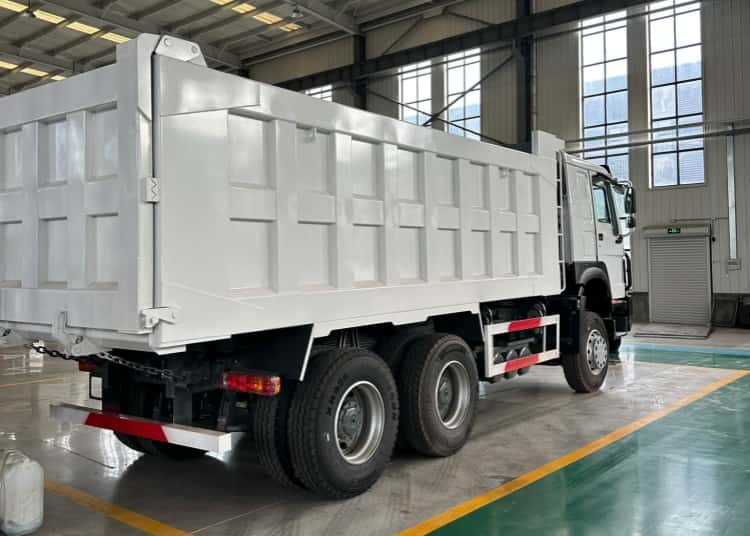
Where certified remanufactured trucks and new trucks still differ?
Even with perfect process compliance, there are inherent distinctions. New cores have zero prior stress history, while reman cores have already endured years of cyclic loading, even if they pass NDT.
This means certified remanufactured trucks require site-tailored preventive maintenance schedules, often with slightly more frequent inspection of seals and lubrication points in dusty quarry environments. Also, OEM new truck warranties typically cover a broader scope for longer terms, while reman warranty is tied specifically to the remanufacturing scope defined by the supplier.
Reliability outcomes depend heavily on post-delivery maintenance
Neither new nor reman trucks stay reliable without disciplined upkeep. Overloading, skipping lubrication service and ignoring dust seal damage will accelerate failure for any heavy asset.
Certified remanufactured trucks’s complete documentation package gives maintenance teams clear service intervals aligned to the rebuild date. When operators follow these schedules, reman trucks consistently deliver uptime metrics close to new units in bulk haulage applications.
Conclusion
Certified remanufactured trucks can match the reliability of new heavy-duty units, provided they are built to formal standards, pass mandatory NDT screening, receive full wear-part renewal and complete pre-shipment performance validation.
The difference is not about the label “new” versus “remanufactured”; it is about quality control. For fleets prioritising stable site throughput and controlled TCO, benchmarked reman is a credible alternative, as long as procurement verifies process standards and maintains scheduled preventive service.