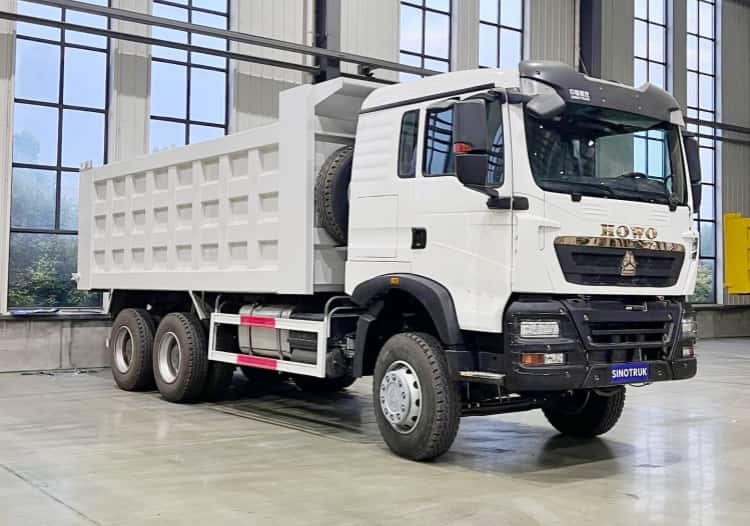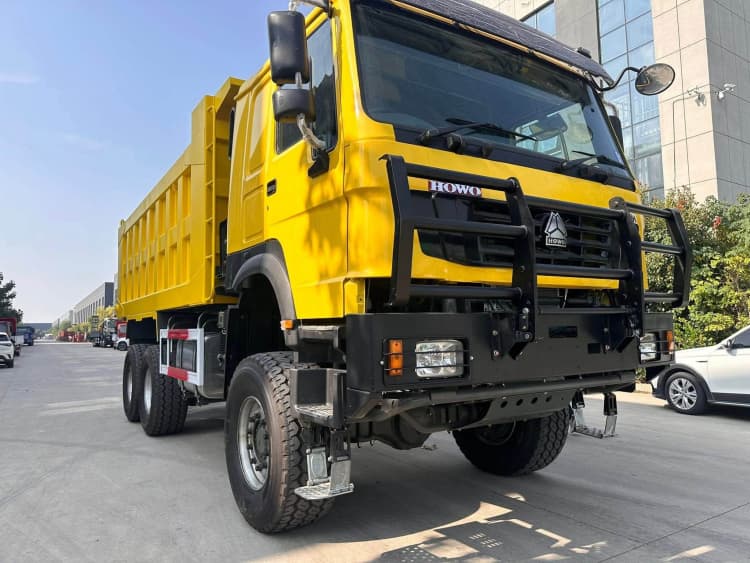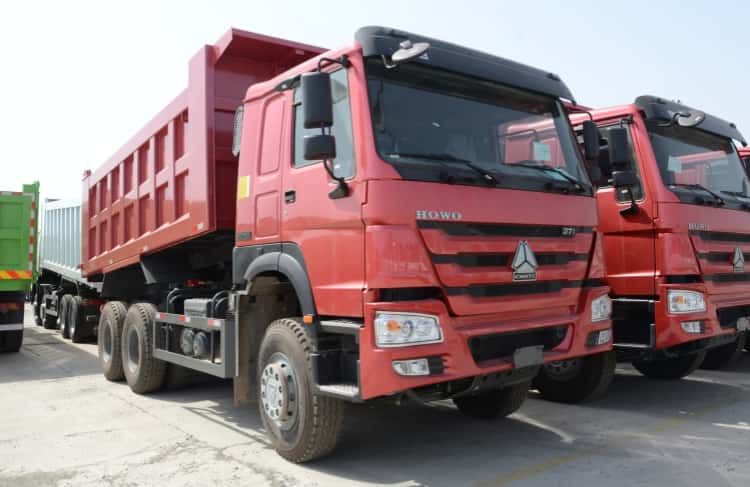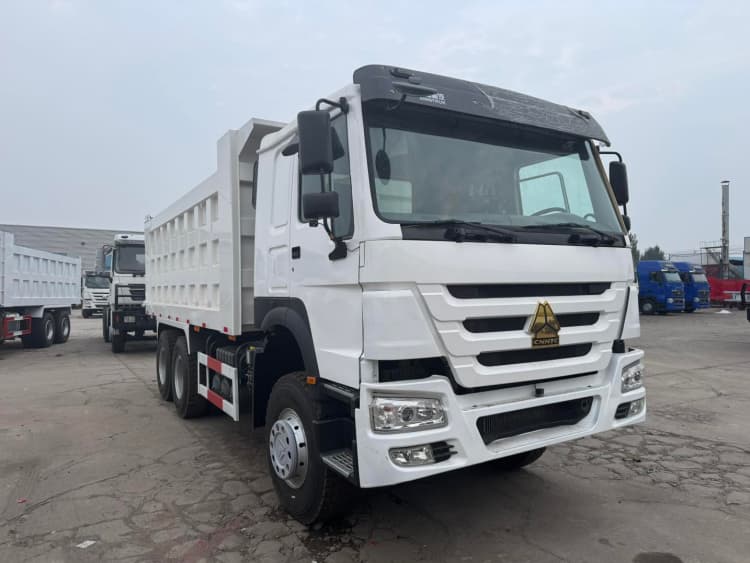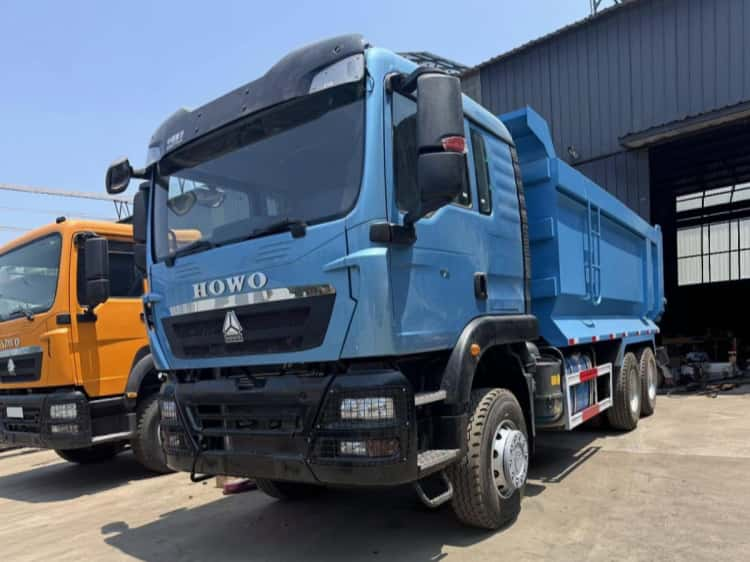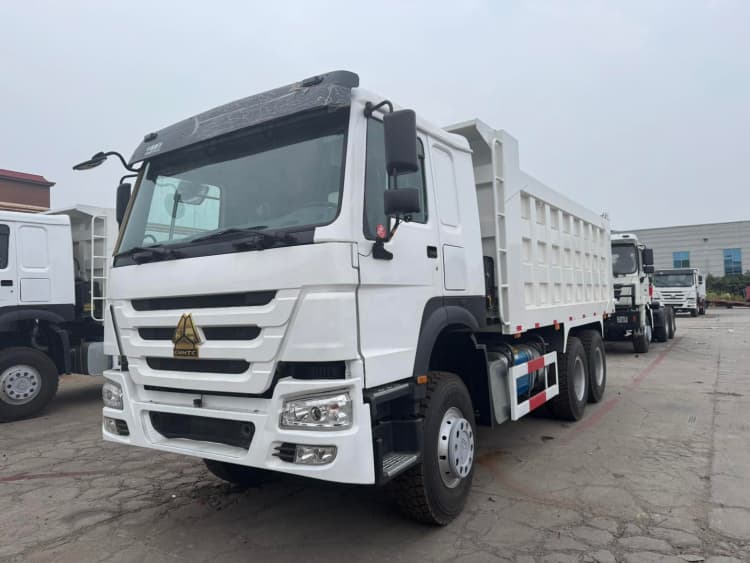
The Business Case For Remanufactured Dump Trucks In Bulk Haulage
Introduction
Bulk haulage operations rely on consistent tonnage throughput to hit revenue targets. Whether moving aggregate, ore or construction fill, every dump truck in the fleet directly impacts profitability. Buying brand-new dump trucks locks up large sums of working capital, while cheap uncertified used trucks carry unpredictable repair costs that erode profit margins mid-contract.
Certified remanufactured dump trucks built to REMAN ROAD benchmarks create a compelling business case for bulk haulage operators, balancing upfront spending, operational reliability and long-term asset recovery for high-volume, cycle-heavy site work.
Lower initial capital outlay frees cash for core site operations
Bulk haulage contracts often require upfront investment in fuel, labour, site access and loading infrastructure. Certified remanufactured dump trucks deliver near-new performance at a fraction of the CAPEX of factory-new equivalents.
This reduces the amount of capital tied up in equipment, allowing contractors to bid on larger jobs or reserve cash to cover payment delays and unexpected site expenses. For mid-size haulage businesses, this lower entry barrier is one of the most impactful financial advantages.
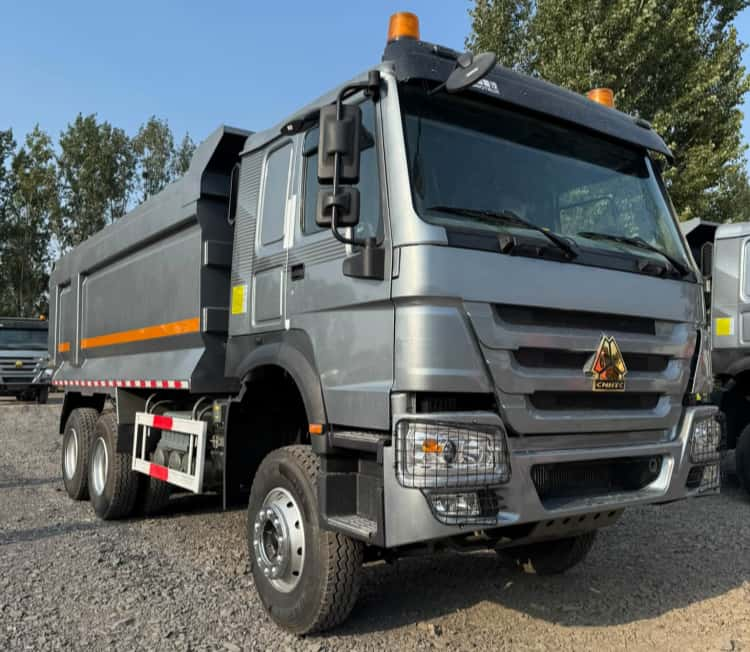
Predictable maintenance reduces budget volatility
Bulk haulage runs on repeated stop-start cycles under heavy load, putting constant stress on frames, axles and powertrains. Undocumented used dump trucks can suffer random, costly breakdowns that blow tender pricing.
Standardised certified remanufactured dump trucks follows fixed rebuild protocols, mandatory wear-part replacement and NDT screening for load-bearing cores. The full service baseline recorded in serial-numbered documentation enables scheduled preventive maintenance, turning unpredictable repair spending into a controllable line item when quoting bulk haulage work.
Consistent uptime protects tonnage and contract revenue
In bulk haulage, lost hours equal lost tonnes. A single dump truck breakdown can bottleneck the whole loading, hauling and crushing sequence.
Certified remanufacturing’s pre-delivery testing and quality checks cut the risk of unplanned downtime. Stable uptime helps operators meet contractual tonnage obligations, avoid penalty clauses and maintain reliable delivery schedules for aggregate and mining clients.
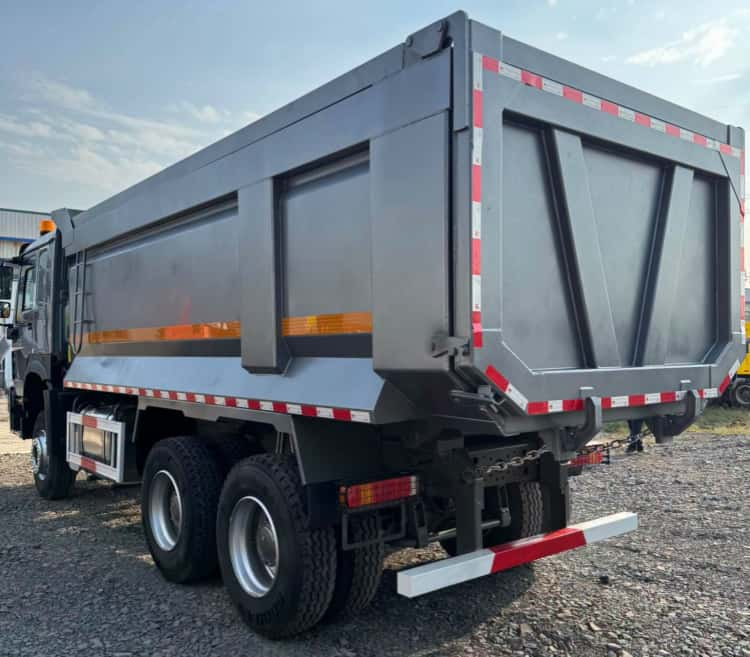
Stable residual value improves true return on investment
Certified remanufactured dump trucks built with complete, traceable records hold stronger salvage and trade-in value at the end of their service cycle. When the contract concludes or fleet rotation is due, operators can recover more capital compared to undocumented refurbished units. This residual recovery must be included in ROI calculations, as it reduces the net depreciation cost over the truck’s lifecycle.
Auditable sustainability credentials open premium tender opportunities
Many bulk commodity and infrastructure buyers now add ESG and circular economy requirements to tender terms. Certified remanufactured dump trucks reduce embodied carbon by reusing qualified heavy cores.
The verifiable carbon savings and closed-loop supply chain evidence help operators qualify for ESG-focused contracts that competitors with conventional fleets cannot bid for, creating new revenue streams.
Conclusion
For bulk haulage, the business case for certified remanufactured dump trucks rests on financial predictability. Reduced upfront CAPEX, controllable maintenance spend, reliable uptime and recoverable residual value combine to stabilise project economics.
For quarry and aggregate haulage teams, certified remanufacturing is a practical way to scale tonnage capacity while protecting profit margins against the risks of high-cost new trucks and high-risk unvetted used equipment.