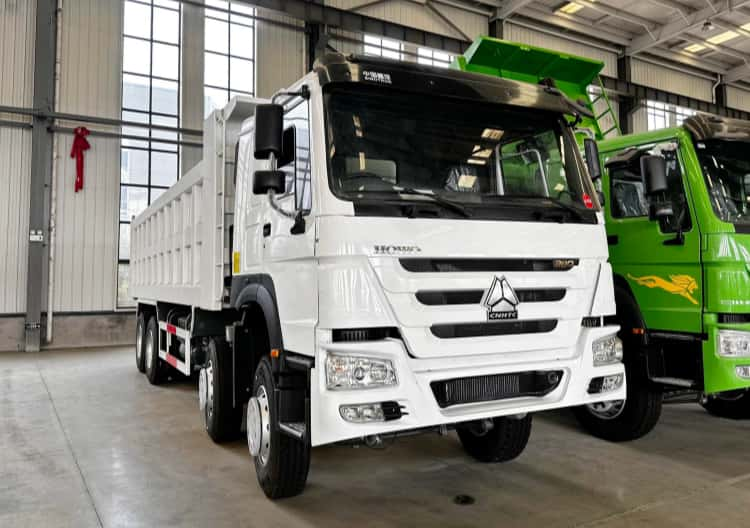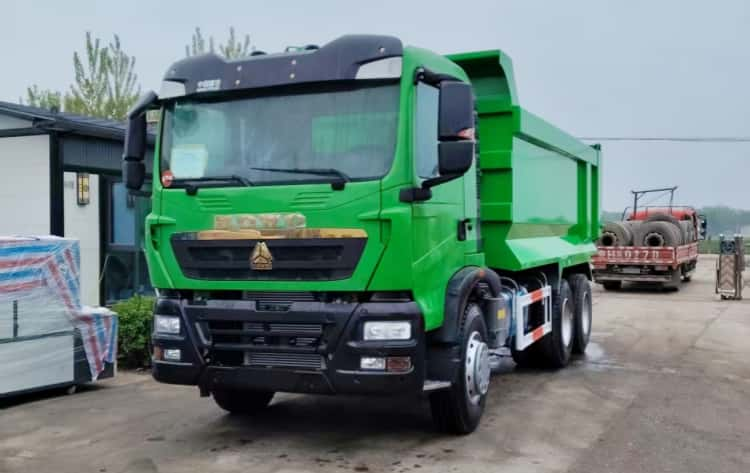
Remanufacture vs Overhaul: Key Differences For Heavy-Duty Haulage Assets
Introduction
Fleet leaders often mix up overhaul and certified remanufacture, assuming both are just deep engine or drivetrain rebuilds. While both restore worn heavy-duty haulage trucks to working condition, they follow entirely different technical rules, quality controls and lifecycle expectations.
An overhaul is a targeted repair to return a truck to service; standardized remanufacture under REMAN ROAD benchmarks resets the asset toward near-new specifications with formal, repeatable protocols. Understanding this distinction is critical for mine, quarry and long-haul fleets, as the choice directly impacts uptime, maintenance planning, warranty coverage and full-lifecycle TCO.
Defined Scope and Disassembly Requirements
A major overhaul usually focuses on the failed or degraded powertrain system. Technicians disassemble only the affected assembly, fix identified faults and reassemble. Scope can vary widely between workshops, with no universal requirement to tear down every sub-component.
Certified remanufacture mandates full disassembly of all critical load-bearing assemblies across the whole unit. Every part is cleaned, sorted and evaluated against fixed engineering tolerances, regardless of whether it shows visible signs of damage. No high-stress component skips inspection simply because it appears intact.
Inspection and Fatigue Testing Standards
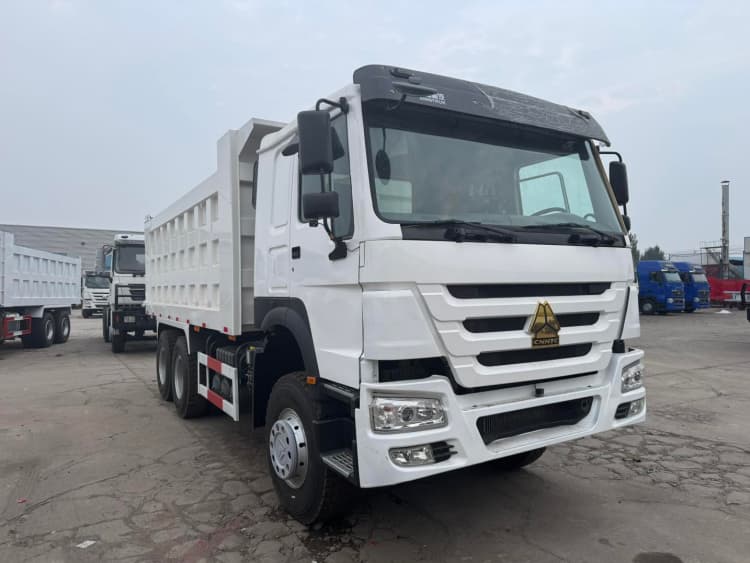
Overhaul work relies heavily on visual checks and basic dimensional measurements. Hidden fatigue cracks inside frames, crankshafts and axle housings are easily missed.
Certified remanufacture workflows require mandatory NDT non-destructive testing for all load-carrying cores. This screening catches subsurface defects that visual inspection cannot detect — a vital safeguard for off-road mining cycles with repeated heavy payloads. Suppliers performing overhauls rarely include systematic NDT as a standard deliverable.
Component Replacement Rules
During an overhaul, reusable parts are retained as long as they pass basic checks. Many friction, seal and bearing components may stay in place if they have not yet failed.
For certified reman trucks, a predefined list of high-cycle consumables is mandatorily renewed in every build, without exception. Bearings, oil seals, gaskets, clutch and brake friction parts are replaced by default. This creates a consistent wear baseline and eliminates the risk of leftover aged components failing shortly after the truck returns to haulage duty.
Documentation, Traceability and Audit Trail
Overhauls typically deliver minimal paperwork: a simple repair invoice listing parts changed during the job. Serial-number-linked full traceability is not standard.
REMAN ROAD standardized remanufacture outputs a complete record package: core qualification forms, NDT test logs, component replacement manifest, dynamometer performance data and final inspection sign-off. This documentation supports tender audits, ESG validation and clear warranty claim resolution, which is nearly impossible with standard overhaul records.
Warranty Structure and Coverage
Overhaul warranties tend to be narrow. Coverage is limited only to the specific parts that were replaced, with short validity periods. Many exclusions apply for off‑road, overload or dusty quarry operation.
Standardized remanufacture warranty covers defects originating from the full rebuild process, with clearer response protocols for remote sites. Because every inspection and assembly step is documented, disputes over root cause are easier to resolve, reducing downtime during claims.
Lifecycle Outlook and TCO Performance
An overhaul extends service life for a limited window. It addresses existing failure points but does not reset the full component lifecycle. Fleets can expect repeated service events as other worn parts degrade.
Certified remanufacture delivers a fresh rebuild cycle with predictable maintenance intervals. While upfront cost is usually higher than an overhaul, the reduction in emergency breakdowns and lower cumulative maintenance spend often deliver superior long-term TCO for continuous haulage fleets.
Best Use Cases For Each Option
Overhaul suits short-term, low-budget fixes for trucks nearing final retirement, where operators only need temporary capacity for a small, quick project.
Certified reman trucks is the better choice when the truck will remain in the core fleet rotation for multiple years, when uptime is critical, or when the asset needs to meet tender, ESG and audit compliance requirements.
Conclusion
The core divide between overhaul and remanufacture lies in standardisation and risk control. Overhaul is a reactive repair that fixes what is broken. Certified remanufacture is a systematic asset regeneration process that screens for hidden defects, renews critical wear parts and creates auditable reliability.
For heavy-duty haulage fleets weighing their options, this distinction is not academic; it determines how often your trucks break down, how predictable your maintenance budget is, and how much value you retain when the asset enters future rotation.