Circular Economy Advantages Delivered By Industrial Truck Remanufacturing
Introduction
The traditional linear industrial model follows a simple path: extract raw materials, manufacture new parts, deploy equipment and eventually scrap it once it wears out. This pattern consumes massive amounts of metal, energy and fuel while generating large volumes of waste.
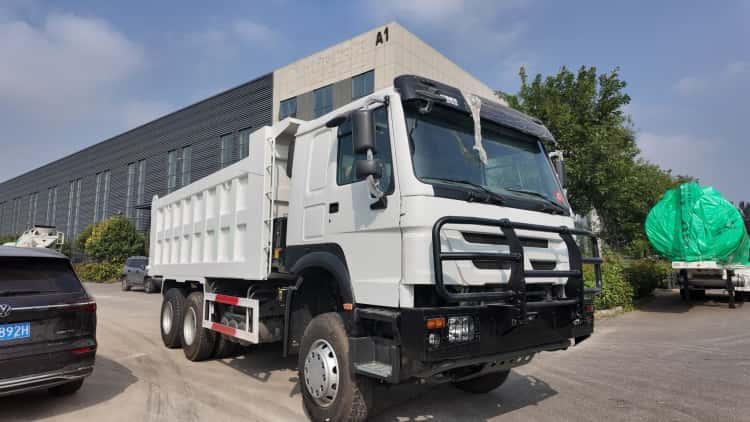
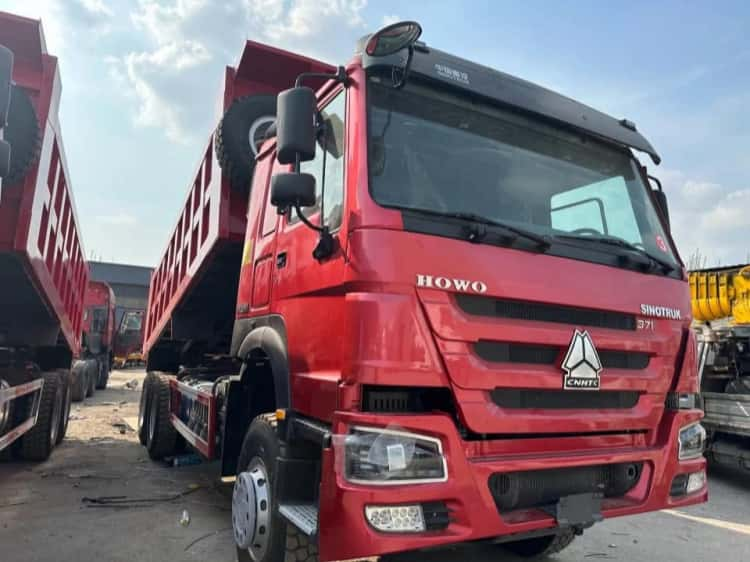
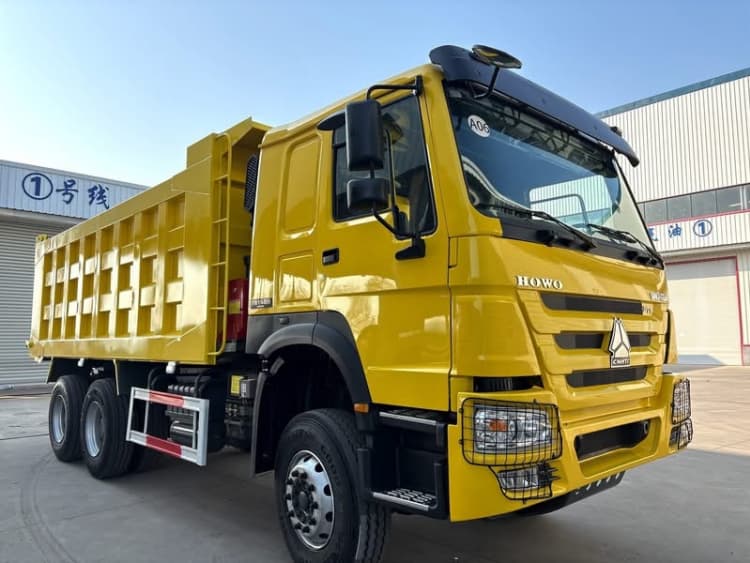
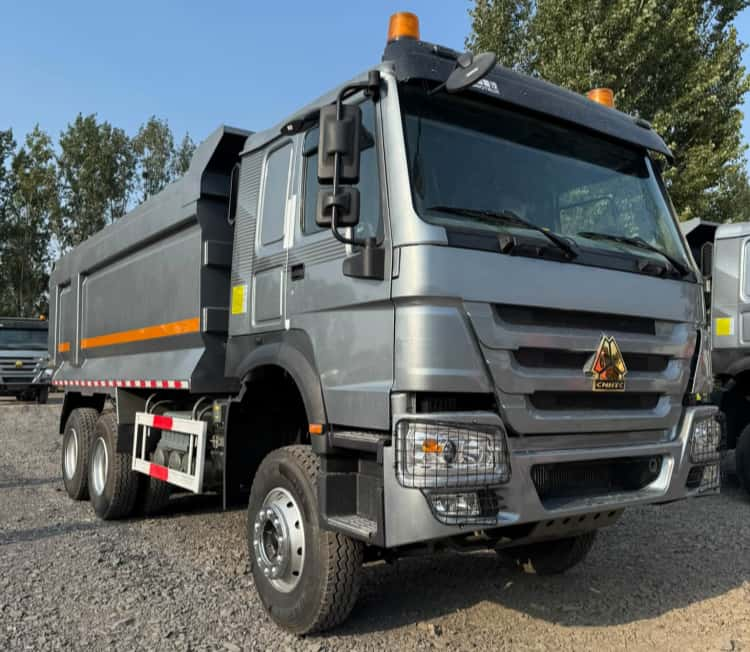
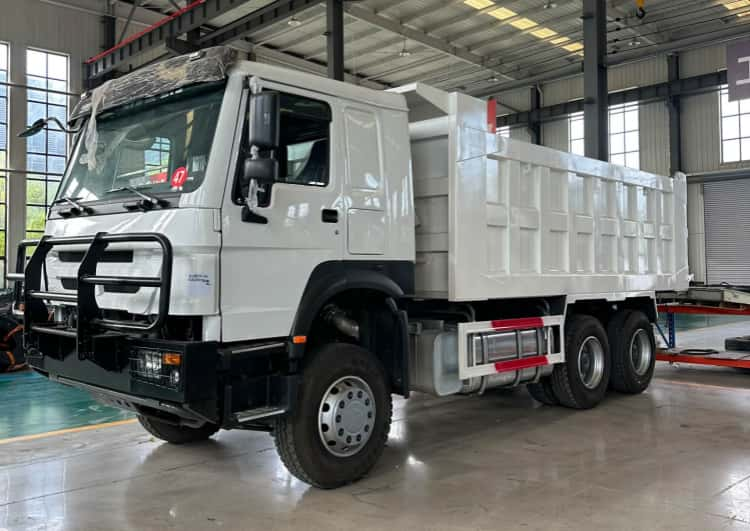
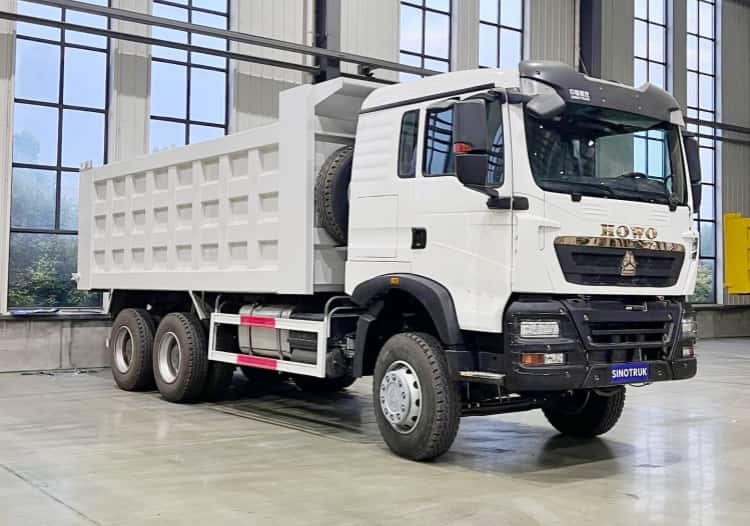
Industrial truck remanufacturing, carried out under REMAN ROAD’s standardised certification framework, breaks this cycle. It recovers high-value load-bearing cores and restores them to near-new performance, turning end-of-service components back into production-ready assets.
Beyond direct cost savings for fleets, this practice delivers tangible circular economy benefits that align with global sustainability targets for heavy transport and resource industries.
Preserve high-value cast and forged cores instead of melting them down
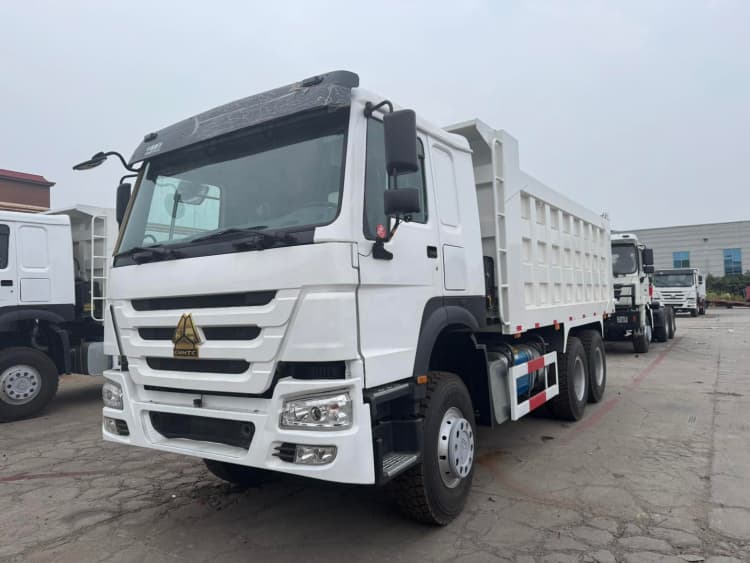
Major heavy truck assemblies such as engine blocks, crankshafts, transmission housings and axle carriers require energy-intensive casting, forging and machining. Once these components pass reman’s NDT and tolerance checks, they retain most of their original embedded value.
Rather than sending them to scrap yards for low-value recycling, industrial truck remanufacturing keeps these precision-made cores circulating within the supply chain. Each qualified core reused reduces demand for new castings and cuts the burden on mineral extraction and metal smelting.
Dramatically reduce embodied carbon emissions
Manufacturing a brand-new heavy-duty powertrain creates substantial greenhouse gas emissions from ore processing, heat treatment and factory logistics. Industrial truck remanufacturing only replaces targeted wear parts and reconditions reusable core structures.
Studies show that compared to producing an equivalent new assembly, industrial truck remanufacturing can slash embodied carbon significantly. For fleet operators, these emission reductions are traceable through serial-number linked inspection records, providing verifiable data for Scope 3 reporting, tender ESG requirements and sustainability-linked financing applications.
Minimise industrial waste from heavy vehicle retirement
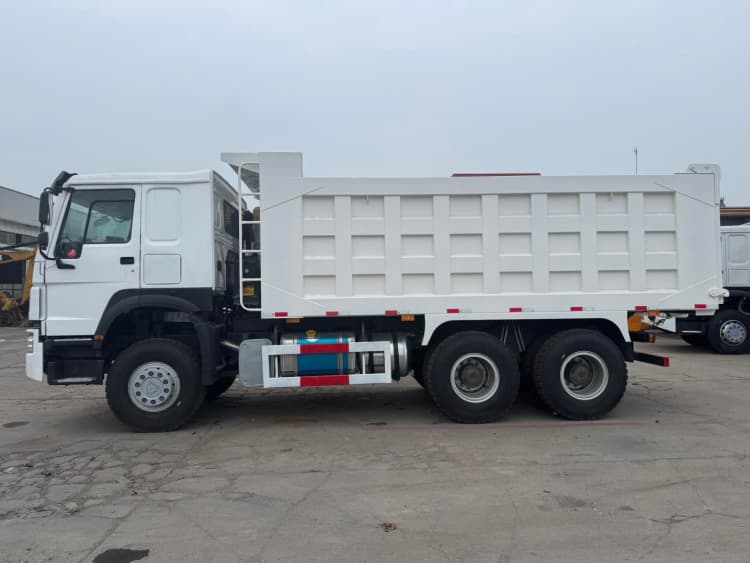
Without structured reman programmes, retired haulage trucks often end up as mixed scrap. Fluids, rubber, wiring and metal components are rarely sorted for high-value reuse, creating contaminated waste streams and recovery inefficiencies.
The industrial truck remanufacturing workflow introduces disciplined disassembly and classification. Technicians separate reusable cores, repairable sub-components, recyclable scrap and hazardous materials such as used oil and batteries. This sorting process maximises material recovery rates and reduces the volume of waste destined for landfills or uncontrolled disposal.
Build a stable reverse supply chain for heavy-duty components
A functional circular economy depends on reliable reverse logistics. REMAN ROAD’s industrial truck remanufacturing model establishes a closed-loop flow: old cores are collected, inspected, qualified, remanufactured and sold back into fleet operations.
As fleets rotate their assets, they can return eligible cores in exchange for credit or discounted future orders. This reverse network stabilises component supply, lessens reliance on OEM spare part pipelines and creates a secondary market that retains value even for older truck models whose original factory support has lapsed.
Extend usable asset life without sacrificing operational safety
A common misunderstanding is that circular reuse means settling for compromised, worn-out equipment. Certified industrial truck remanufacturing enforces strict engineering tolerances and mandatory fatigue screening via NDT testing.
Only cores that meet all benchmarks enter production. Units that fail inspection are rejected and routed for metal recycling. This ensures circularity does not come at the cost of uptime or site safety, making long-life asset rotation a responsible strategy for harsh mine and quarry environments.
Enable scalable sustainability for mid-size and large fleets alike
Large mining conglomerates and smaller haulage contractors can both participate in this circular system. Fleets do not need full in-house reman capability to benefit. They simply integrate certified reman trucks into their regular asset rotation, and feed eligible retired cores back into the loop over time.
Cumulatively, widespread adoption shifts the heavy transport sector away from constant replacement of brand-new hardware toward regeneration and resource stewardship.
Conclusion
Industrial truck remanufacturing turns heavy fleet operations into an active part of the circular economy. It protects valuable forged and cast cores, cuts embedded carbon, reduces waste and builds a sustainable reverse component supply chain.
For haulage operators, choosing certified reman trucks is more than a TCO optimisation tactic; it is a practical way to align daily fleet operations with global low-carbon and circular industrial priorities.