Reman Engines: Performance and Suitability Guide
Intro
A reman engine is the heart of reliable reman trucks, and its performance directly shapes fuel spend, uptime and service life. Many fleets treat all reman engines the same, assuming they will deliver identical power and durability. In reality, output stability and fatigue potential depend heavily on core screening, component discard rules and post-assembly calibration.
REMAN ROAD reliable reman trucks follows a fixed engine reman standard, with clear performance thresholds and suitability boundaries documented for fleet procurement and maintenance teams.
Core reman processing rules for engines
Every incoming engine core goes through the pre-reman grading system tied to its service history. Units with seizure, prolonged overheating or severe crank damage are rejected. Qualified cores are fully disassembled and multi-stage cleaned to remove carbon, sludge and metal debris from oil galleries and cooling passages.
All critical clearances are measured against OEM service manuals. Crankshaft, cylinder block and camshaft can only be reworked within official stock removal limits. Worn injectors, fuel pumps, bearings, piston rings, valve seals and gaskets are renewed unconditionally. After assembly, the engine runs on a dynamometer for full-load tuning and validation.
Performance benchmarks of REMAN ROAD reman engines
Certified remanufactured engines are calibrated back to the original OEM power and torque curve. Peak horsepower, torque output, air-fuel ratio and injection timing are locked within narrow tolerance bands. Fuel consumption is tested across idle, partial load and full-load cruising points to guarantee consistency. Smoke, blow-by and oil consumption are monitored throughout the dyno cycle.
When properly calibrated, a qualified remanufactured engines can match the steady-state performance of a new equivalent engine within its approved duty envelope. Performance drift is one of the clearest markers of poor, non-standardised rebuild work.
Suitability matching by application
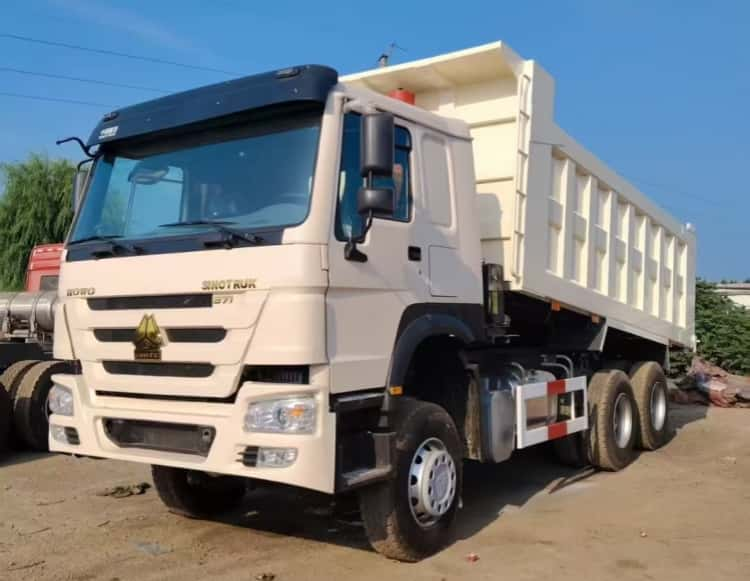
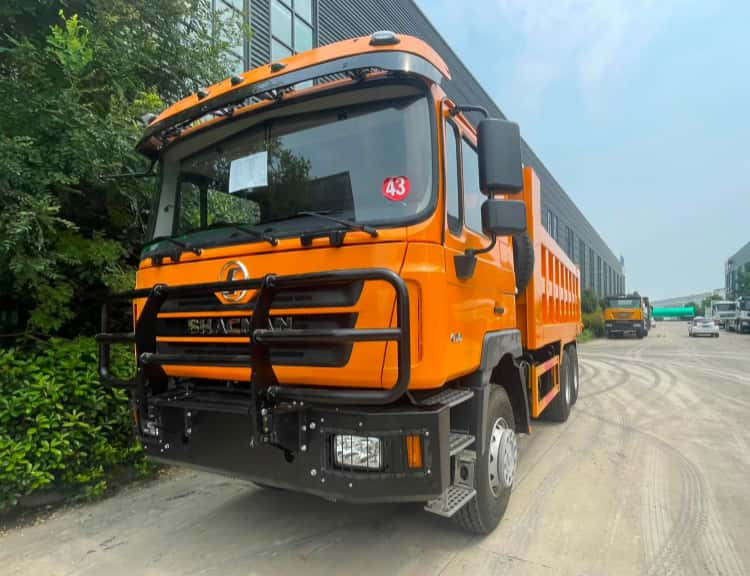
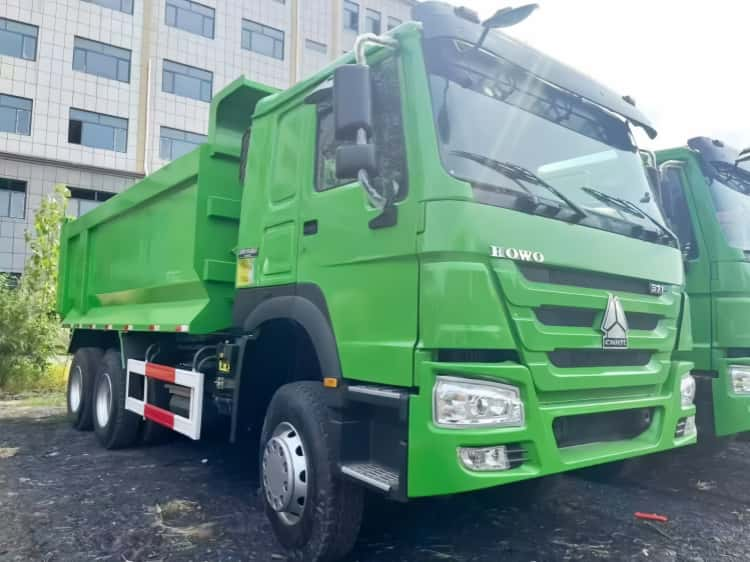
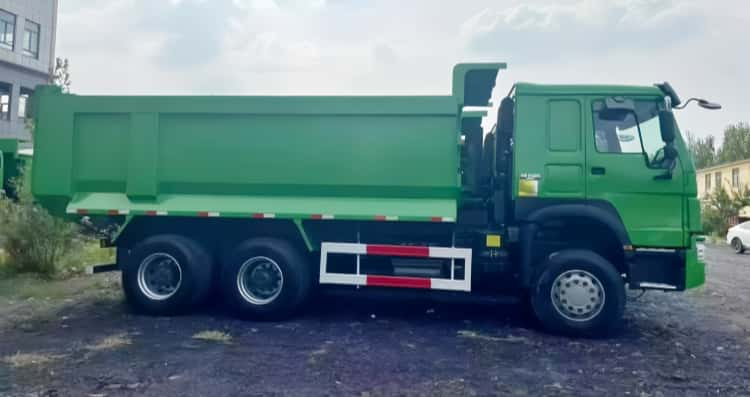
Highway long-haul applications demand steady torque, low fuel variance and extended service intervals. Grade A remanufactured engines are well suited here, with low vibration and stable combustion for continuous cruising. Construction and quarry dump truck service involves frequent start-stop, heavy load spikes and low-speed high-torque operation.
These engines require enhanced inspection planning for bearings and cooling systems, and only Grade A or Grade B cores are permitted. Light-duty, intermittent site transport can use Grade C reman engines, with tighter payload limits and shorter oil analysis cycles. Reman engines sourced from marginal cores are never assigned to continuous heavy cyclic mining duty.
Compatibility and powertrain matching
Engine performance cannot be evaluated in isolation. The remanufactured engines must be calibrated to work in harmony with the matched gearbox and driveline. Mismatched torque limits, shift points and driveline angles create destructive shock loads, which shorten engine and transmission lifespan.
REMAN ROAD records the original powertrain pairing during assembly and validates system harmony on the bench. Fleets should avoid mixing reman engines with unmodified, worn gearboxes unless a full driveline inspection and calibration are completed.
Verification and ongoing monitoring
Dyno test data is stored permanently in the VIN Quality Log before vehicle delivery. After deployment, oil analysis is the primary monitoring tool for reman engines. Trends in metal particles, viscosity and contamination signal early wear or lubrication issues.
Any deviation from the baseline dyno fuel and temperature profile triggers a targeted inspection. Units failing performance checks are pulled from service for rework rather than continuing operation.
Common misconceptions
One widespread myth is that remanufactured engines always have weaker power or shorter life than new engines. That is true only for incomplete rebuilds that skip cleaning, NDT or full calibration.
Another misconception is that one remanufactured engine specification fits all workloads. Without grading and duty matching, even a technically sound reman engine will fail prematurely when pushed beyond its residual fatigue margin.
Final Takeaway
REMAN ROAD reman engines restore OEM-aligned power, torque and fuel stability through controlled component screening, precision assembly and dyno validation. Their suitability depends on the starting core grade and the fleet’s duty cycle. Long-haul, construction and light-site operations each carry different acceptance criteria and inspection rhythms. Matching the reman engine to the workload and maintaining trend monitoring protects performance, controls operating costs and preserves the full lifecycle value of your reman trucks.