Why Heavy Duty Remanufacturing Aligns With Global ESG and Carbon Reduction Goals?
Introduction
ESG and carbon reduction requirements have become essential tender and investor criteria for mining, quarry and infrastructure haulage businesses. Many fleet owners struggle to find practical, cost-effective ways to cut emissions without sacrificing operational productivity. Heavy duty remanufacturing under REMAN ROAD’s standardised certification framework offers a proven solution. It moves away from the linear model of constant new equipment production and scrappage, unlocking verifiable environmental gains that fit neatly into Scope 3 accounting, circular economy policies and global decarbonisation roadmaps.
Substantially lower embodied carbon by preserving high-value cores
The casting, forging, heat treatment and machining of heavy truck engine blocks, crankshafts and axle housings consume enormous energy and generate large volumes of greenhouse gas emissions.
Certified heavy duty remanufacturing retains cores that pass strict NDT and dimensional checks. Instead of manufacturing these major assemblies from scratch, only wear parts and consumables are renewed. The resulting emission reductions are tied to each vehicle’s serial-numbered documentation, giving fleets traceable evidence to report carbon savings to clients, auditors and financiers.
Reduce pressure on virgin raw material extraction
Raw metal mining for heavy vehicle components creates habitat disruption, water contamination and resource depletion. By circulating reusable cores back into service, heavy duty remanufacturing decreases market demand for newly mined ore and steel.
This aligns with the “reduce, reuse” principle central to ESG frameworks, demonstrating responsible resource stewardship beyond basic emissions reporting.
Cut industrial waste and hazardous disposal risks
Retired heavy trucks often become mixed scrap, with fluids, batteries, rubber and metal parts disposed of in bulk. Standardised industrial reman workflow implement controlled disassembly, sorting and core recovery.
Eligible components are reserved for future rebuilds, while non-qualified parts go to regulated recycling. This industrial reman workflow reduces landfill-bound waste and limits incidents of uncontrolled oil and chemical leakage, improving environmental stewardship metrics for site ESG reports.
Enable fleet decarbonisation without immediate large CAPEX
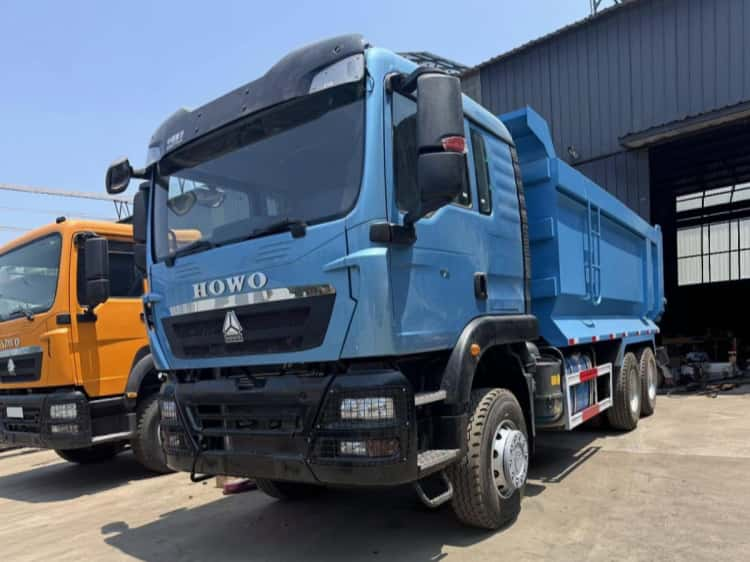
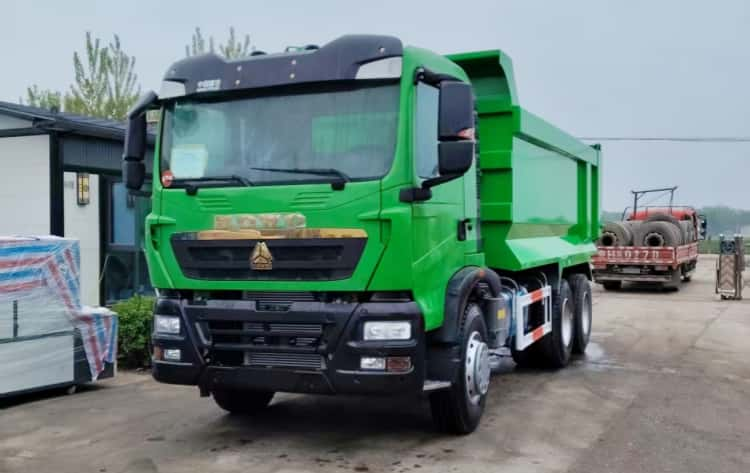
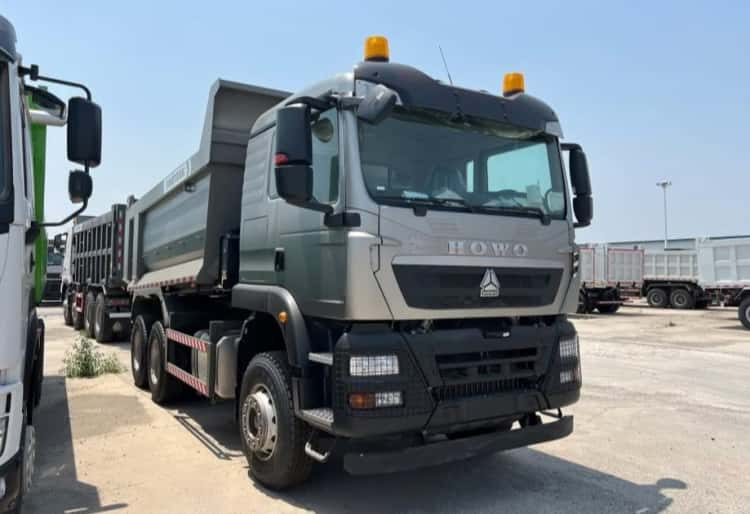
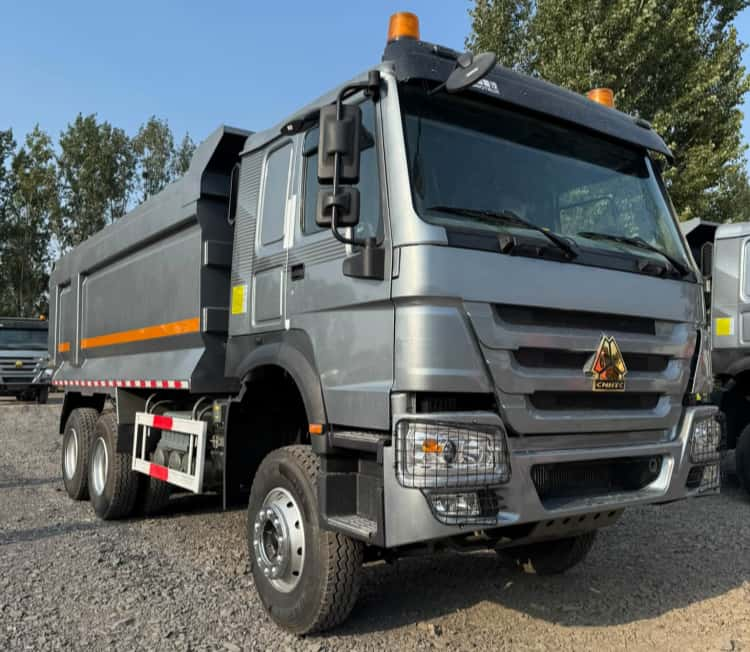
Purchasing brand-new low-emission heavy trucks requires huge upfront investment and often comes with long lead times. Certified authentic reman trucks deliver a more accessible pathway for gradual decarbonisation.
Fleets can phase in authentic reman trucks, build up carbon saving records over time and qualify for sustainability-linked financing that rewards lower embodied carbon. This makes ESG progress achievable for mid-size contractors that cannot afford full fleet replacement with new low-emission hardware.
Support the circular economy pillar of ESG evaluation
Many modern ESG assessment systems reward closed-loop industrial activity. Heavy duty remanufacturing creates a reverse supply chain: old cores are collected, inspected, regenerated and redeployed.
This circular model is highly differentiating in tender evaluations, helping contractors stand out when bidding for projects with strict sustainability clauses. It proves that the business is not merely reporting emissions, but actively redesigning its asset lifecycle.
Conclusion
Heavy duty remanufacturing aligns with global ESG and carbon goals because it delivers tangible, auditable environmental benefits while maintaining haulage performance. It cuts embodied carbon, reduces raw material reliance, minimises waste and builds a closed-loop component supply chain.
For heavy fleets, certified heavy duty remanufacturing turns equipment procurement into a practical strategy to meet sustainability obligations, satisfy stakeholder expectations and stay competitive in ESG-focused tender markets.