How Does Industrial Remanufacturing Work? Step-by-Step Guide
Introduction
Genuine industrial remanufacturing is not random repair work. It follows a fixed, repeatable industrial workflow. Every certified heavy-duty engine, axle, transmission or reman truck goes through the same sequence of quality gates.
This step-by-step guide walks you through the full reman process used under the REMAN ROAD standard. It helps fleet buyers understand what should happen behind the scenes, so you can audit suppliers and verify that reman assets meet consistent engineering requirements.
Core Receipt & Preliminary Screening
The industrial remanufacturing workflow begins when a used core arrives at the reman facility.
- Technicians record core serial numbers, mileage and service history into the traceability system.
- Visual and basic functional checks rule out cores with major collision damage, cracked housings or irreversible structural failure.
- Cores that fail this stage are rejected and sent for material recycling immediately.
Only cores with intact load-bearing structures move forward to formal inspection.
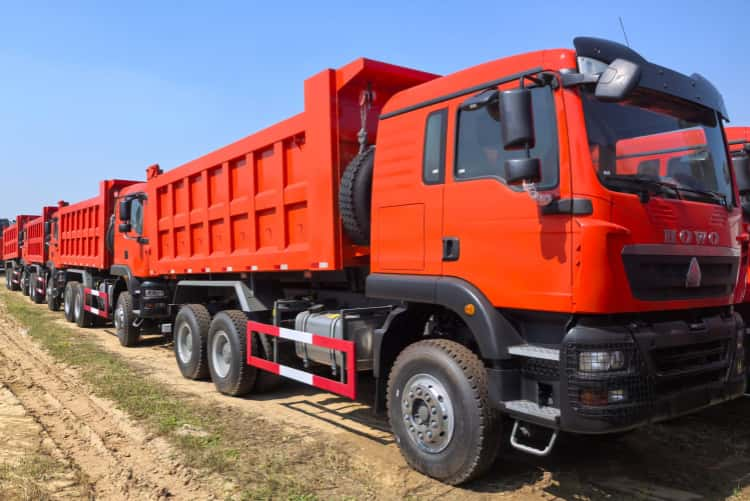
Full Disassembly
Qualified cores are completely disassembled down to individual separate components.
- No selective partial teardown is permitted for standardized reman.
- Every bolt, seal, bearing and internal part is separated.
- Components are sorted by type: reusable structural parts, mandatory wear parts, scrap parts.
Full disassembly reveals hidden wear, corrosion and fatigue that cannot be detected while the assembly remains closed.
Industrial Cleaning & Degreasing
All disassembled components go through professional industrial cleaning.
- Carbon deposits, sludge, old oil, rust and surface contaminants are removed via high-pressure washing, thermal cleaning or chemical treatment.
- Clean surfaces allow accurate measurement and reliable non-destructive testing.
Dirty or contaminated parts cannot deliver trustworthy inspection results.
Precision Inspection & Non-Destructive Testing
This is the data-driven evaluation stage.
- Critical structural parts are measured with precision tools against OEM dimensional tolerances.
- Non-destructive testing checks for invisible cracks and material fatigue.
- Any part outside OEM specification limits is marked for scrapping.
Decisions are based on measurement data, not technician experience or visual guesswork.
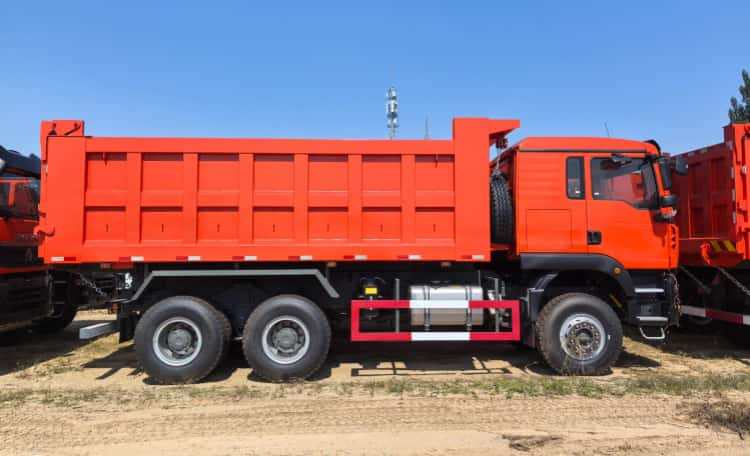
Component Restoration or Replacement
Parts are handled according to fixed standard rules.
- Eligible reusable components may receive controlled machining, only within OEM allowable limits.
- All time-limited wear items such as seals, gaskets, bearings, piston rings and fasteners are replaced with new OEM-grade parts.
- Components that exceed machining limits are scrapped and cannot be reused.
This industrial remanufacturing workflow separates standardized industrial reman from simple overhaul, where only visibly broken parts get replaced.
Reassembly to OEM Specifications
Restored and new components are reassembled following official OEM assembly procedures and torque values.
- Assembly sequences, torque settings and fitting clearances strictly follow factory requirements.
- Cleanliness standards are enforced to avoid debris trapped inside the assembly.
Workers follow documented work instructions instead of informal workshop habits.
Whole-System Recalibration
Mechanical assembly alone is not enough.
- ECUs, transmission control units, braking systems and after-treatment systems are recalibrated to original OEM maps.
- Calibration fixes power output, fuel delivery and emission parameters.
Without proper recalibration, even perfectly rebuilt mechanical parts will perform below factory standards.
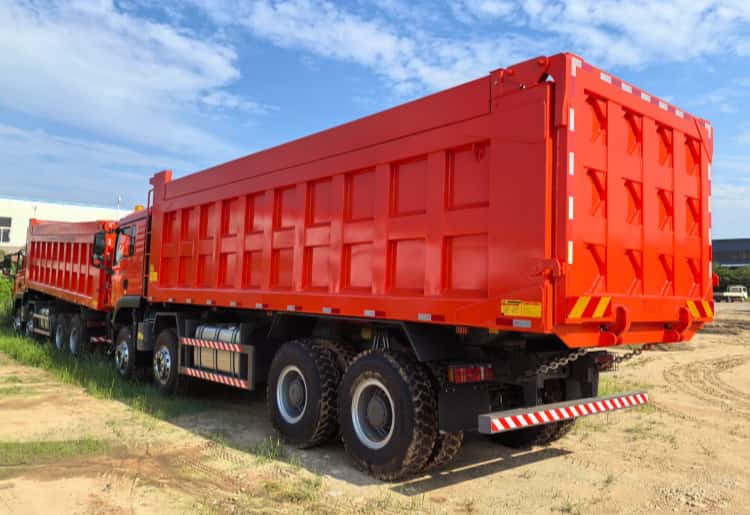
End-of-Line Performance Validation
Every finished industrial reman truck passes mandatory bench testing or vehicle road testing.
- Key indicators including power, torque, oil pressure, leakage and emission levels are recorded.
- If performance fails any benchmark, the unit returns for rework.
- Passing test reports are saved and linked to the unit’s traceability record.
This final industrial remanufacturing workflow test acts as the last quality gate before shipment.
Marking, Documentation & Release
After passing validation, the asset is prepared for delivery.
- Unique identification marks or labels are applied for traceability.
- The full file package is compiled: core inspection logs, test reports, parts lists and warranty documents.
- The industrial reman truck is ready for delivery to fleets or component stock.
How REMAN ROAD Standardizes This Workflow?
REMAN ROAD codifies these nine steps as the baseline process for industrial reman truck. We require suppliers to document every stage and preserve test records for audit. If a provider skips full disassembly, NDT testing or end-of-line validation, the output cannot be classified as true standardized industrial remanufacturing.
Closing Summary
industrial remanufacturing workflow follows a strict linear process: core screening → full disassembly → industrial cleaning → precision testing → part renewal → controlled reassembly → system recalibration → performance validation → documentation and release.
Each step exists to reset the asset’s lifecycle reliably. When you evaluate reman suppliers, ask them to demonstrate their process against this industrial remanufacturing workflow. Missing steps mean higher operational risk for your fleet.