Reman Manufacturing vs New Manufacturing: Key Differences for Fleets
Intro
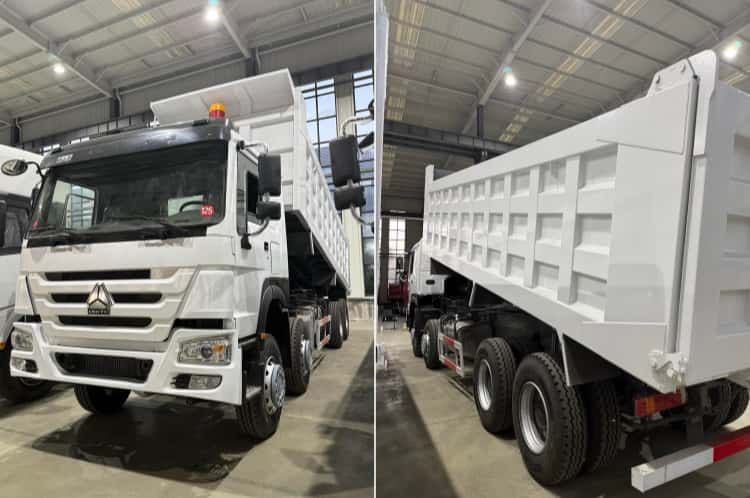
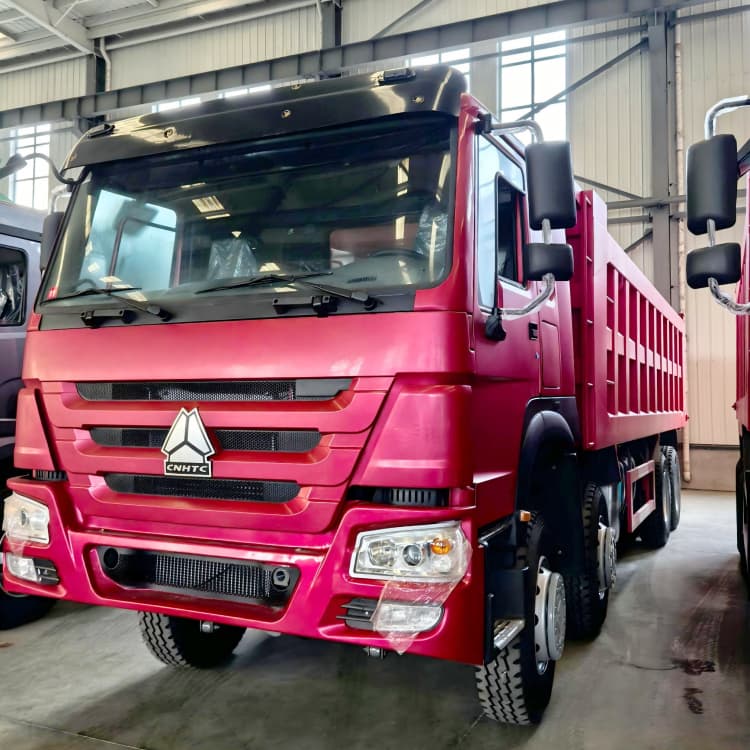
Fleet managers choosing between standardized reman trucks and brand-new units often focus only on upfront price. The gap runs far deeper: reman manufacturing rebuilds a qualified core back to OEM-equivalent performance, while new manufacturing builds assets from virgin raw materials.
Under the REMAN ROAD reman manufacturing framework, the two models deliver different TCO profiles, lead times, carbon footprints and long-term asset behaviours that directly shape fleet planning, budgeting and sustainability targets.
Starting input: Qualified core asset vs virgin raw materials
This is the foundational distinction.
- Reman manufacturing: Starts with a pre-screened, reman-eligible core truck. Only cores passing structural assessment, NDT inspection and material validation enter production. The majority of load-bearing frame, axle and casting hardware is retained and restored. Scrap is limited to failed, non-repairable components.
- New manufacturing: Starts from raw inputs — steel ingots, castings, forgings, plastic and rubber compounds. Every major component is produced from newly mined, refined and processed materials. No prior vehicle asset forms the base.
Engineering objective: Lifecycle reset vs original build
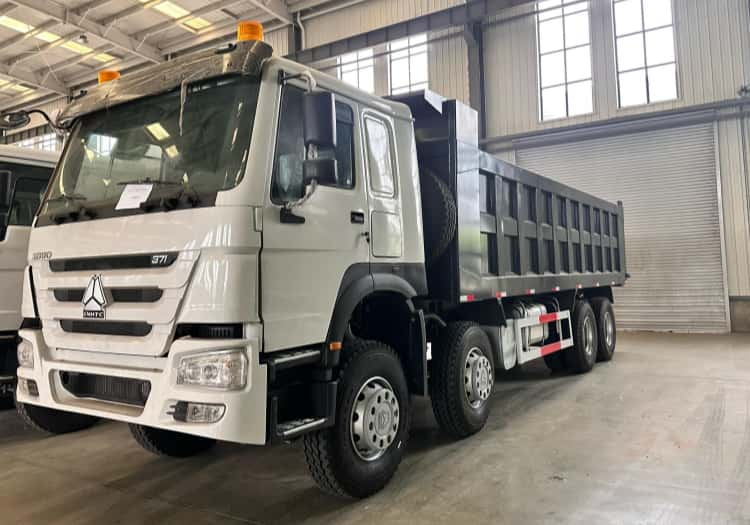
- Reman manufacturing: The goal is lifecycle reset. It recovers the original OEM design intent of an existing asset. Worn or damaged parts are graded as reusable, repairable or mandatory scrap. Dimensional tolerances, strength and performance are restored to match new benchmarks, not redesigned.
- New manufacturing: The goal is first-build production to the latest OEM design release. It may incorporate updated platforms, revised material specs, new emission hardware and upgraded electronic controls that older reman cores cannot support.
Quality validation process: NDT and component grading vs factory production testing
- Reman manufacturing: Quality gates are heavily inspection-focused. Full disassembly, mandatory UT, MPI and RT NDT checks, bench dynamometer, hydraulic and brake testing, and component grading are non-negotiable. Hidden fatigue and prior damage are the primary risks being screened out.
- New manufacturing: Quality relies on production-line process control, dimensional checks and end-of-line factory testing. Risks are mostly production defects and assembly errors, not accumulated service fatigue, crash damage or overloading history.
Upfront cost and total ownership economics
- Reman manufacturing: Lower capital outlay. Purchase price sits well below new truck pricing. Maintenance and downtime risk are predictable when certified under REMAN ROAD, though remaining useful life is shorter than a brand-new unit. Best for fleets balancing capacity needs and tight TCO targets.
- New manufacturing: Highest upfront CAPEX. Longer theoretical service life, factory warranty and access to the latest technology. Depreciation is steepest in the first 1–3 years. Ideal for long-haul fleets planning multi-year retention or requiring the newest emission and telematics systems.
Lead time and supply resilience
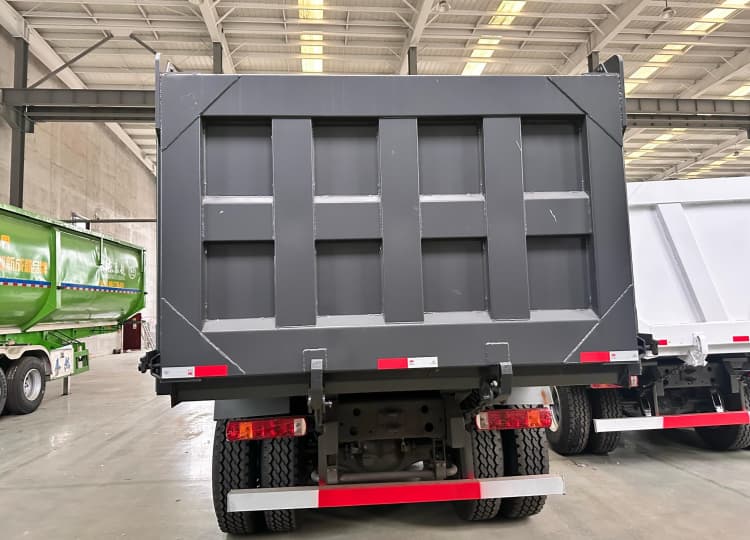
- Reman manufacturing: Shorter lead times once qualified cores are available. It avoids the long supply chains for raw steel, semiconductors and new component backlogs that plague OEM production. This makes certified remanufacturing a fast capacity solution when new truck delivery is delayed.
- New manufacturing: Subject to global supply chain volatility. Chip shortages, raw material price swings and factory scheduling can stretch lead times to many months.
Environmental and circular impact
- Reman manufacturing: Dramatically cuts raw material consumption, ore extraction, smelting and embedded carbon. It aligns with circular economy and ESG reporting, reducing scope 3 emissions for fleet operators.
- New manufacturing: Carries high embodied carbon from material extraction and primary processing. Even with efficient factories, its environmental footprint per unit is substantially larger.
Warranty structure and residual value trajectory
- Reman manufacturing: Certified remanufacturing warranty covers the reset asset, tied to the REMAN ROAD audit trail. Depreciation curves are flatter than used trucks; residual value is supported by verifiable inspection records. It will still depreciate faster than a new truck but slower than uncertified refurbished stock.
- New manufacturing: Full OEM factory warranty, often multi-year. Assets drop sharply in value immediately after delivery, as the “new premium” disappears. Resale value remains strong only if the unit is well-maintained and kept within factory service protocols.
Regulatory and upgrade limits
- Reman manufacturing: Bound by the core’s original platform. It can only be rebuilt to the emission and hardware baseline of that base vehicle. Major electronic or powertrain upgrades may not be feasible.
- New manufacturing: Built to the latest market regulatory standards, ready for current emission rules, digital fleet management systems and safety mandates.
Closing
Reman manufacturing and new manufacturing are not direct substitutes, but two distinct asset strategies for fleets. Certified remanufacturing excels where fast deployment, lower CAPEX, controlled TCO and lower carbon impact are priorities. New manufacturing fits fleets that need the latest platform technology, maximum service life and full factory OEM support. Smart fleet strategy often mixes both: new trucks for core long-haul routes, and standardized reman trucks to fill flexible, high-utilisation capacity without overspending.