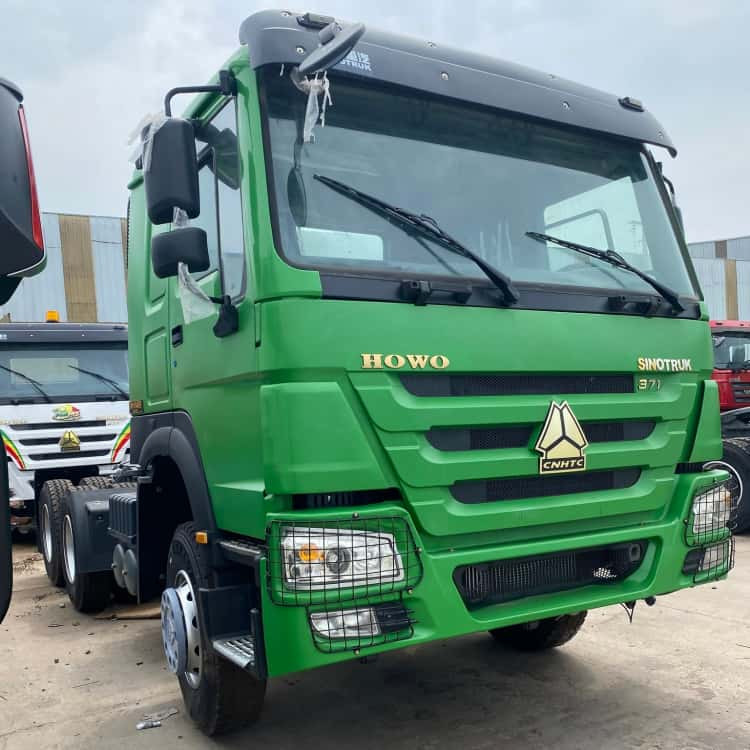
Qualified Remanufacturing for Beginners: A Buyer-Friendly Guide
Intro
If you are new to buying Chinese reman trucks, the terminology and competing vendor claims can quickly become confusing. Words like reman, overhaul, refurb, rebuilt are often mixed together, and many sales pitches overpromise reliability.
This simple buyer’s guide breaks down qualified remanufacturing under the REMAN ROAD standard in plain language. It explains what it is, what to verify, which risks to watch for, and exactly what you should ask suppliers before signing a purchase order.
First, know what qualified reman really is?
Qualified remanufacturing is not a basic repair or a fresh coat of paint. It is a full, rule-based lifecycle reset for a used truck or assembly. The core idea: take a structurally eligible core, fully take it apart, inspect every component with objective testing, restore or replace parts as required, and validate the whole unit back to OEM-equivalent performance.
Three easy contrasts to keep in mind:
- Refurbishment: Mostly surface cleaning, cosmetic fixes, replace only obvious broken parts. Hidden damage stays inside.
- Overhaul: Opens key assemblies, fixes known wear points, but rarely checks for invisible structural fatigue.
- Qualified reman: Full disassembly + mandatory NDT testing + formal part grading + bench and system testing + traceable records.
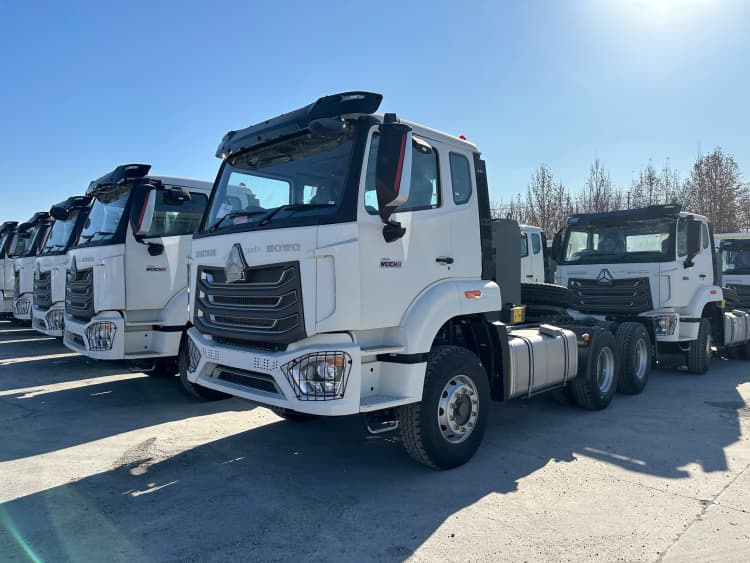
The non-negotiable gates that define “qualified”
A reman supplier cannot call their product qualified remanufacturing unless every one of these steps is completed and documented.
- Core eligibility screening: The base truck must pass history review, dimensional checks and initial structural assessment. Cores with severe crash damage, unapproved modifications or irreversible metallurgical damage get rejected.
- Full disassembly: Down to individual components, not just partial teardown of the engine or transmission.
- Mandatory NDT inspection: Critical load-bearing parts such as frame rails, crankshafts, axle housings and brackets are scanned for subsurface cracks that visual checks cannot find.
- Component grading: Every part falls into one of three buckets: reusable, repairable, mandatory scrap. No “it looks fine” guesswork from technicians.
- Controlled restoration: Repairs follow approved procedures. Worn surfaces are restored only within OEM tolerance limits. Any part that cannot meet the spec is scrapped.
- Independent bench testing: Engines, brakes and hydraulic assemblies are tested on rigs before installation, not just checked after assembly.
- Full system validation: After reassembly, the whole truck runs through load testing to confirm all systems work together reliably.
- Complete traceability dossier: All test results, NDT logs and grading records link to the vehicle VIN.
Key documents every buyer should request
If a reman supplier cannot provide these records, treat it as a major warning sign.
- Core intake assessment report
- NDT inspection reports for structural and fatigue-critical components
- Component grading log, including a list of scrapped parts
- Dynamometer, brake and hydraulic bench test certificates
- Final acceptance checklist and certification statement under REMAN ROAD
- Clear warranty terms, with defined coverage, exclusions and claim process
A simple sales certificate with no supporting test data is not enough proof of qualified remanufacturing.
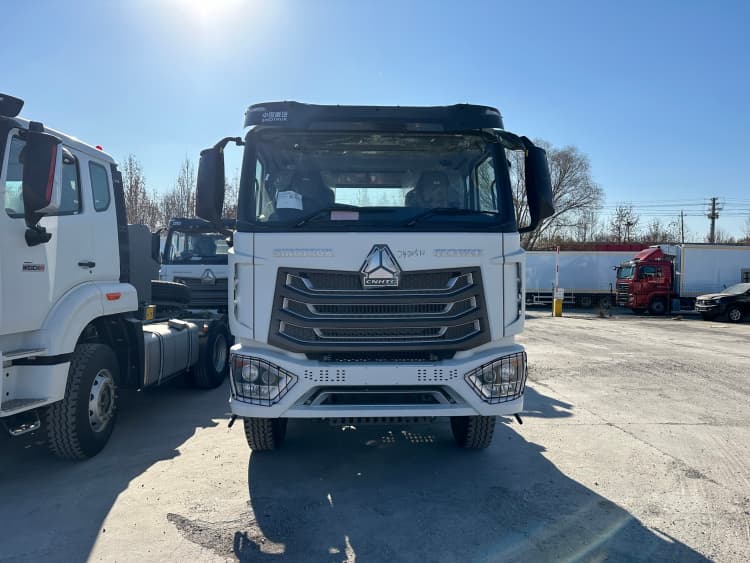
Common red flags to avoid
Watch for these signs that a unit is not true qualified remanufacturing:
- The vendor refuses NDT reports and only offers visual inspection photos.
- They describe the work as “remanufactured” but only overhaul the engine and leave the frame uninspected.
- Warranty is vague, short, or only covers replaced parts, not the whole asset.
- The truck has custom frame modifications, cold-straightened frame rails or unknown aftermarket structural parts.
- Pricing is far below market for certified reman; shortcuts in testing and inspection are almost always the reason.
- The seller confuses remanufacturing with used truck resale or cosmetic refurbishment.
What you can reasonably expect from qualified reman?
For fleet buyers, qualified remanufacturing delivers predictable benefits:
- Performance matching OEM design specifications
- Reduced risk of sudden, costly breakdowns compared with ordinary used or refurbished trucks
- More stable depreciation and better resale value, thanks to auditable records
- Clear warranty coverage
- Lower upfront CAPEX than buying a brand-new truck
- Measurable ESG and carbon benefits from circular asset reuse
And one important expectation to set: qualified reman is not identical to a brand-new truck. It uses a recovered core asset, so its remaining useful life will differ from a new OEM unit. The value comes from controlled risk, not “as-new forever” performance.
Simple questions to ask your reman supplier before buying
You can copy these into your RFQ or direct conversation:
- Does this unit follow REMAN ROAD standard for qualified remanufacturing?
- Can you share the full inspection dossier, including NDT and bench test records tied to this VIN?
- Which components were reused, repaired, and scrapped?
- What is the warranty coverage period, and what failures are excluded?
- Has the chassis frame passed dimensional inspection and fatigue screening?
- What is the documented remaining useful life estimate for this asset?
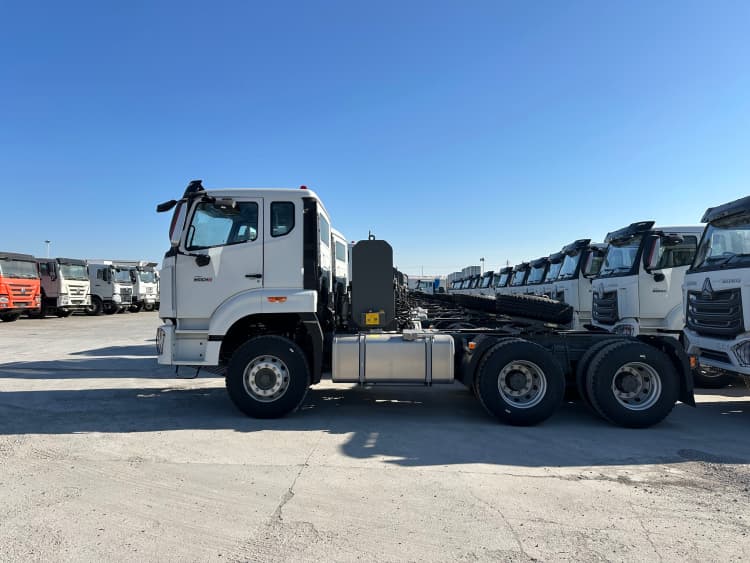
Closing
For beginners, the easiest rule of thumb is this: qualified reman is defined by objective testing and paperwork, not marketing labels. Any supplier can repaint a truck and call it reman. Qualified Chinese reman trucks has passed every mandatory quality gate, with records to prove it.
As a buyer, your job is not to understand every engineering detail — it is to demand the proof that the standard was followed. This simple habit will help your fleet avoid expensive downtime, hidden structural risks and misleading low-grade stock.