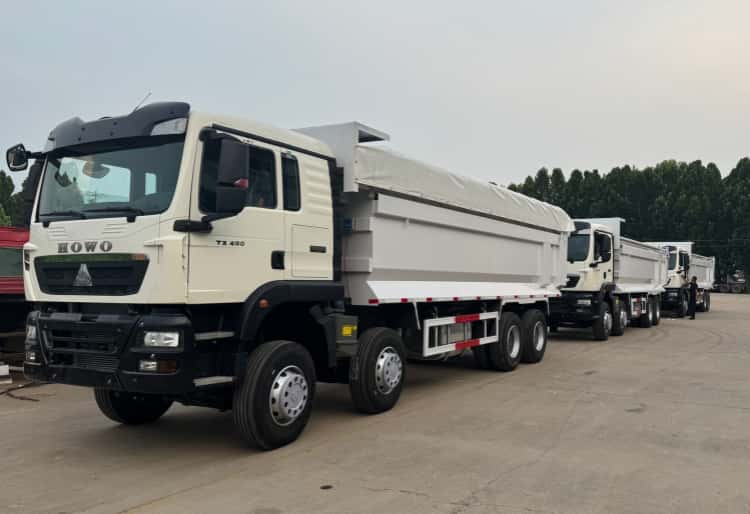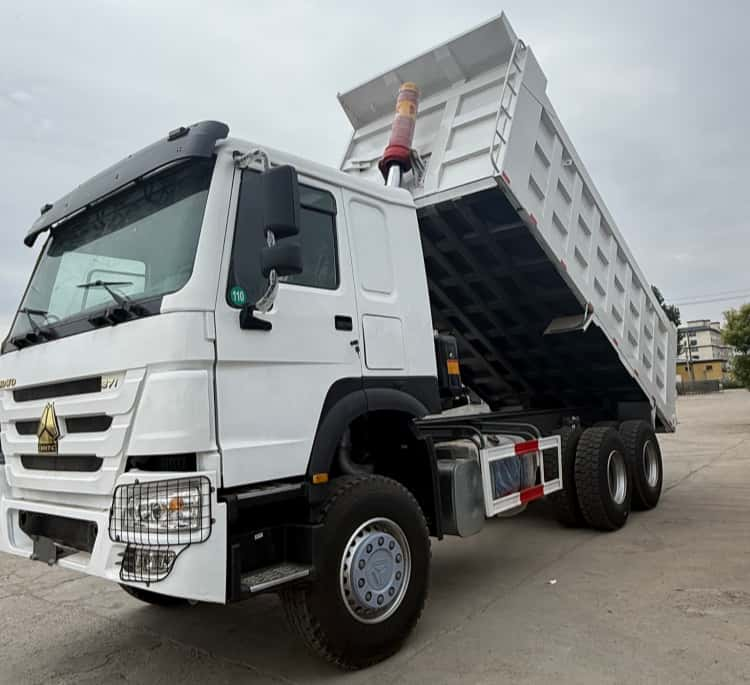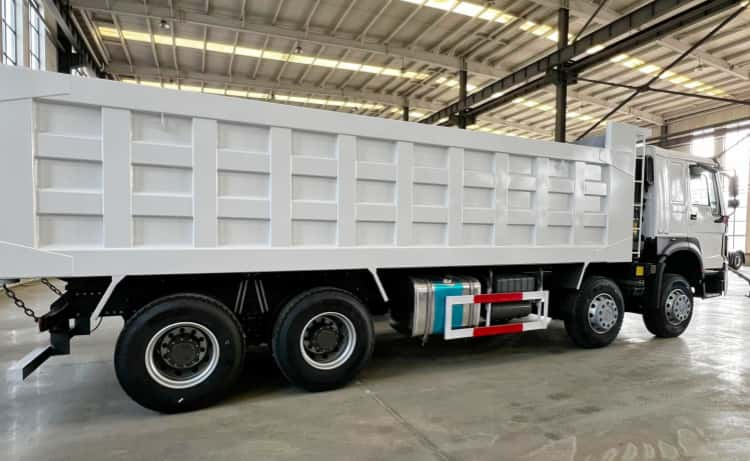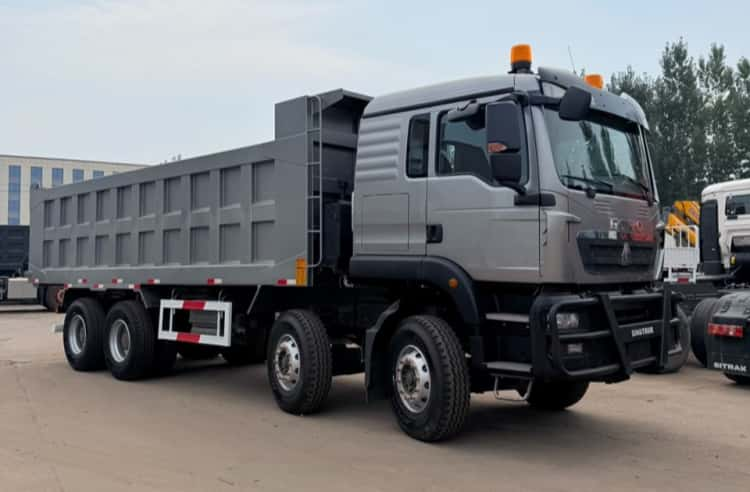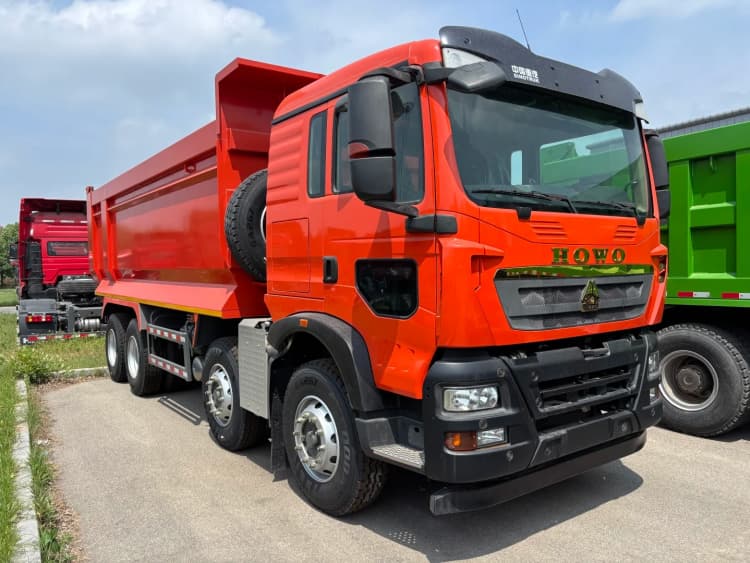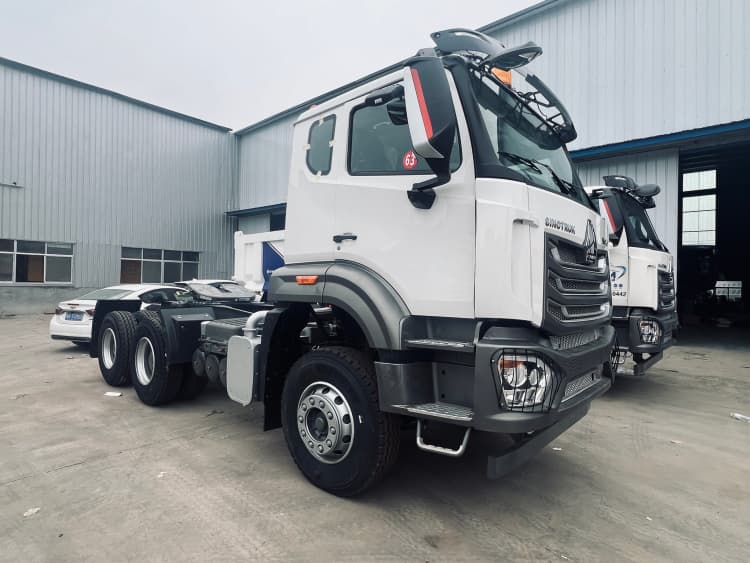
Total Cost of Ownership Comparison: Reman, Used and New Trucks
Intro
Fleet buyers often make purchasing decisions based only on the upfront selling price they see on the quote. True total cost of ownership(TCO) covers every financial impact over the full holding period of the asset. When building a heavy fleet, operators have three mainstream options: brand-new factory trucks, ordinary used trucks, and REMAN ROAD certified remanufactured truck. Each option carries a unique cost curve, reliability profile and exit value outlook. There is no universal best choice. The right pick depends on your planned holding cycle, available capital budget, and how much your business stands to lose from unplanned downtime.
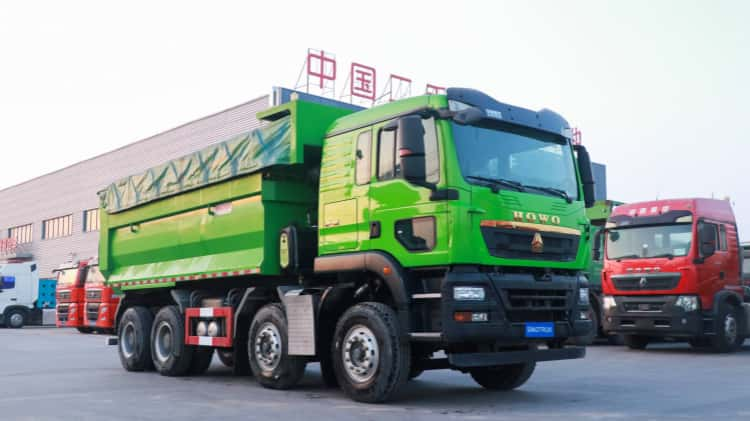
Brand-new heavy trucks
- Highest upfront capital outlay, including factory base price, delivery transport, customs and initial registration fees
- Sharp front‑loaded depreciation curve; the vehicle loses a large percentage of its value within the first one to two years in service
- Light scheduled maintenance burden in early service life, following official OEM service intervals
- Very low risk of unscheduled breakdowns while the factory warranty remains active
- Comprehensive factory warranty, widely accepted by regulators, insurance providers and lenders
- Full OEM spare parts support, standardised components with zero compatibility confusion
- Small cash contingency reserve required, as major failure risk is minimal during the warranty window
- Best fit: fleets with long holding cycles, ample capital budget, and operations that cannot tolerate unexpected stops
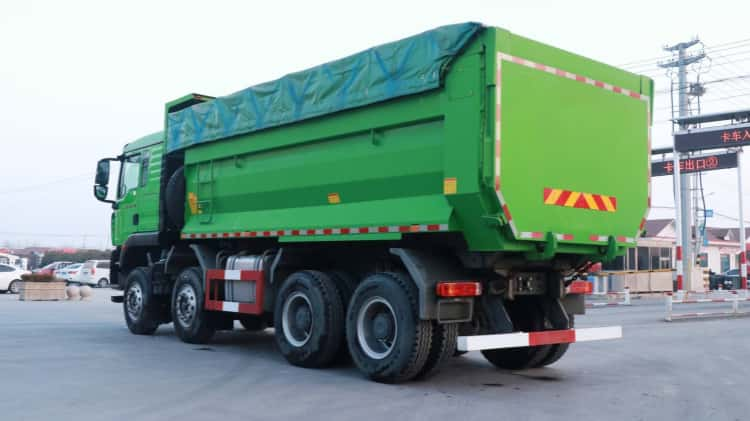
Ordinary used heavy trucks
- Lowest upfront invoice price, which is its primary selling point for cash‑tight buyers
- Highly unpredictable depreciation; residual value can collapse rapidly once hidden defects surface
- Inconsistent maintenance spending, often paired with incomplete or missing service records
- High risk of sudden unscheduled repairs and costly downtime, caused by aged bearings, seals and unchecked structural wear
- Limited, short or non‑existent warranty; many seller warranties only cover a narrow set of replaced parts and exclude labour, towing and site callouts
- Harder to secure favourable financing; lenders treat undocumented used heavy trucks as high‑risk collateral and demand larger down payments or higher interest rates
- Spare‑part sourcing can become complicated if the prior owner installed unapproved modifications
- Large contingency reserve must be set aside to cover unexpected major component failures
- Best fit: short‑term temporary capacity needs, or fleets with an experienced, fully equipped in‑house maintenance team
REMAN ROAD certified remanufactured truck
- Mid‑tier upfront cost: noticeably cheaper than brand‑new trucks, moderately higher than uninspected used stock
- Stable, linear depreciation profile; the chassis has already absorbed its steep first‑life depreciation, so you skip the new‑truck value cliff
- Scheduled maintenance follows strict OEM specifications. All mandatory consumables such as bearings, seals, gaskets and filters are renewed during remanufacturing
- Low unplanned breakdown risk, validated by NDT fatigue scanning, dimensional inspection and full‑vehicle system dynamic testing before delivery
- Full asset warranty tied to the certified reman state, not limited to individual replaced parts, and transferable to future owners
- Permanent VIN traceability and independent audit records help secure competitive financing terms from lenders
- Components stay within OEM standard, spare parts are widely available and interchangeable
- Low compliance and roadside inspection risk, built around REMAN ROAD’s three‑line eligibility filter
- Stable residual value at resale; the complete traceability record removes the heavy uncertainty discount applied to regular used trucks
- Moderate contingency reserve requirement, as risks are bounded by fixed quality gates and ongoing surveillance audits
- Best fit: mining, quarry, long‑haul logistics and leasing fleets operating on medium holding cycles
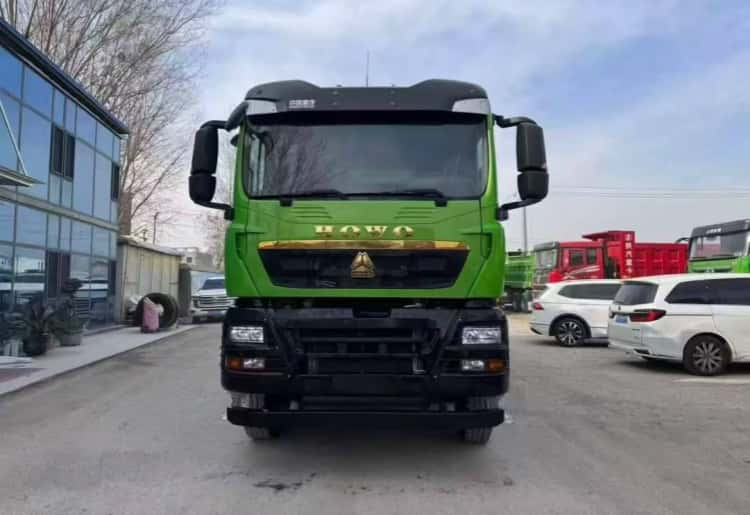
Core trade-off summary
- New trucks: dependable quality and simple administration, but they lock up large capital and suffer fast early depreciation.
- Used trucks: attractive low entry price, yet they come with volatile repair bills, expensive unplanned downtime and weak residual value.
- REMAN ROAD certified remanufactured truck: strikes a balanced middle ground. It eliminates the biggest hidden risks of used trucks while avoiding the heavy depreciation hit and massive CAPEX burden of buying new.
Final Takeaway
Total cost of ownership(TCO) evaluation can never rely on sticker price alone. New, used and certified remanufactured truck each have distinct cost structures and risk exposure.
For most fleet operators aiming for stable, predictable financial performance, REMAN ROAD certified remanufactured truck offers the most balanced package: controlled capital expenditure, reduced downtime risk and well‑protected residual asset value.