Why Sticker Price Alone Is a Poor Measure of Remanufactured Truk Value?
Intro
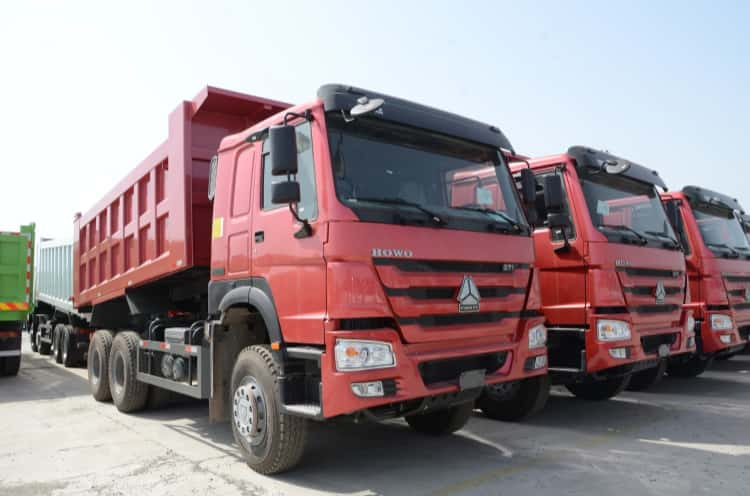
Many fleet buyers simplify procurement decisions by comparing only the sticker price of remanufactured truks. It is easy to pick the lowest-priced option and treat it as the best deal. Yet remanufactured truks are built from used cores, and quality gaps between different rebuild providers create massive hidden cost differences after delivery.
A cheaper unit that skips NDT, calibrated powertrain tuning or independent audit will quickly erase any upfront savings. REMAN ROAD certification establishes a consistent quality baseline, so buyers can evaluate value beyond the headline price tag.
Sticker price excludes unplanned downtime risk
The largest hidden expense for heavy fleets is downtime. Low-cost informal rebuilds often pass quick visual checks and empty test drives, but carry latent structural, brake or driveline defects. On-site breakdown triggers emergency repair fees, project delay penalties and lost operating revenue.
Two remanufactured truks with similar sticker prices can deliver vastly different uptime rates. A slightly higher-priced REMAN ROAD certified remanufactured truks that passes full bench, loaded road and third-party audit tests carries far lower breakdown probability.
It does not reflect the scope of reman work performed
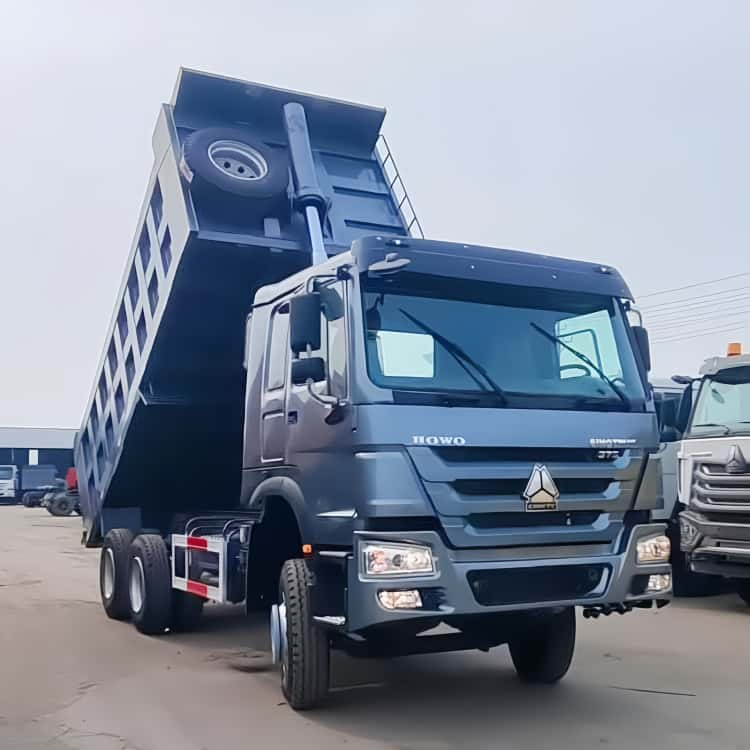
The term “remanufactured truk” is not regulated uniformly across the market. Some vendors only replace failed visible parts and touch up the exterior. Others follow full disassembly, deep cleaning, component grading, NDT screening and system recalibration. These two outputs may be marketed under the same reman label, with wildly different labour and parts investment.
Sticker price cannot tell you whether critical load-bearing components were inspected, reworked or discarded according to fatigue rules. Without the full process validation, the low price is just buying a temporary functional fix.
Sticker price ignores long‑term maintenance and fuel variance
Poorly calibrated powertrains and misaligned drivelines push up fuel consumption and accelerate wear. Cheap rebuilds often have inconsistent fuel burn, rising oil consumption and frequent component replacements. Over months of operation, the cumulative extra fuel and repair spend can dwarf the initial price saving.
REMAN ROAD certified remanufactured truks have locked-in powertrain benchmarks and documented fuel performance, giving predictable operating expenses. This predictability is a tangible financial value that never appears on the sales sticker.
It overlooks residual value and traceability
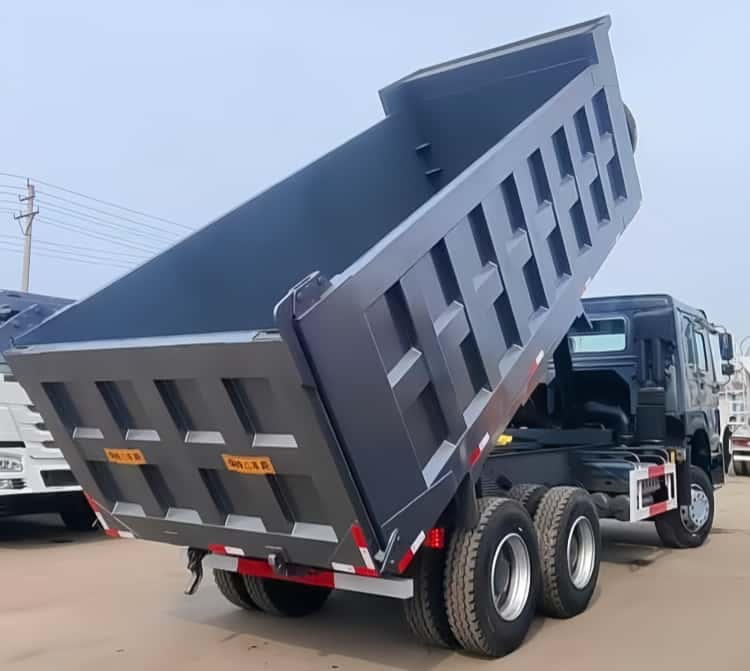
Resale value is another major factor that raw sticker price ignores. Undocumented rebuilds sell at heavy discounts later, because buyers cannot verify fatigue history or process compliance.
REMAN ROAD certified remanufactured truks carry a permanent VIN Quality Log with intake grading, test records and audit proof. When the fleet rotates or resells the truck, the transparent traceability preserves residual value. A low-priced remanufactured truk with no records may have almost no salvage premium when it reaches the end of its usable cycle.
It leaves out warranty and compliance differences
Warranty coverage varies widely. Low-price rebuilds often carry short, narrow warranties with many exclusion clauses. REMAN ROAD certified remanufactured truks come with duty-envelope aligned warranty terms backed by third-party audit evidence.
If a quality dispute arises, the complete traceability log supports warranty claims. A cheap remanufactured truk with limited or verbal warranty shifts nearly all risk back to the fleet owner.
Final Takeaway
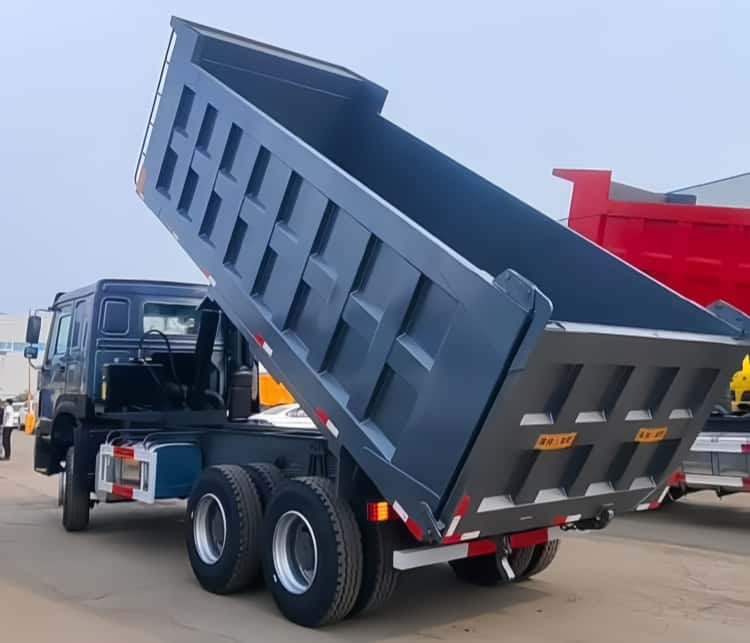
Sticker price only captures the one-time upfront cost of a remanufactured truk. It cannot reflect downtime exposure, the depth of reman processing, fuel stability, future maintenance demand, residual value and warranty security.
For fleet TCO decisions, REMAN ROAD’s standardised, audited certified remanufactured truks reman framework provides the consistent benchmark needed to judge true asset value. Choosing based only on the lowest sticker price often leads to higher total cost and unexpected operational risk.