TCO Modelling for Construction Fleets Using Remanufactured Assets
Intro
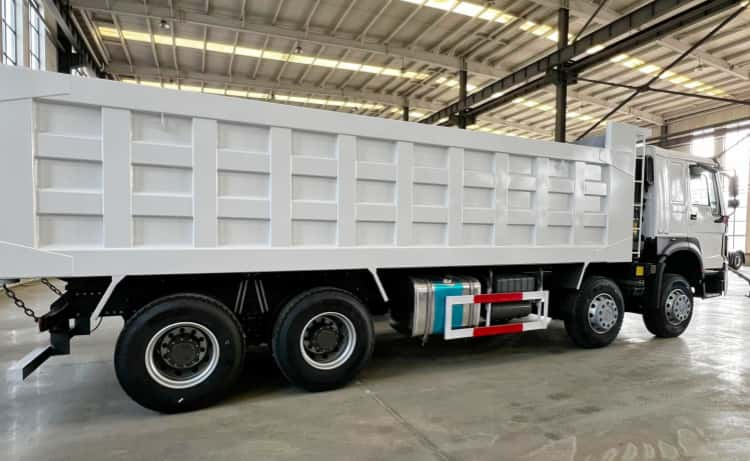
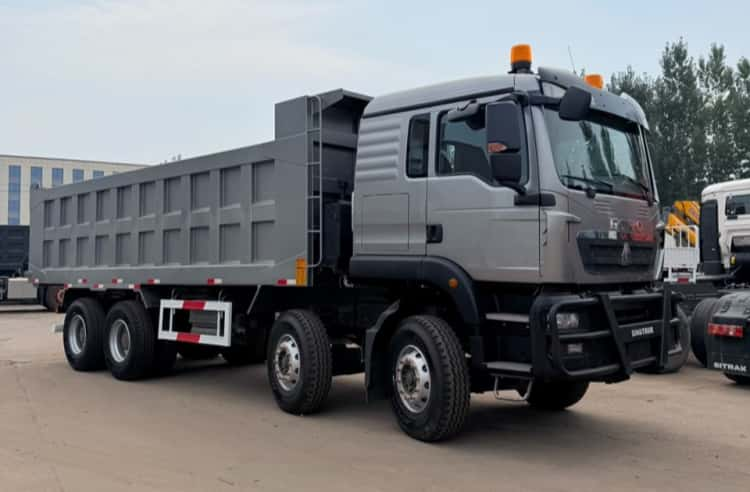
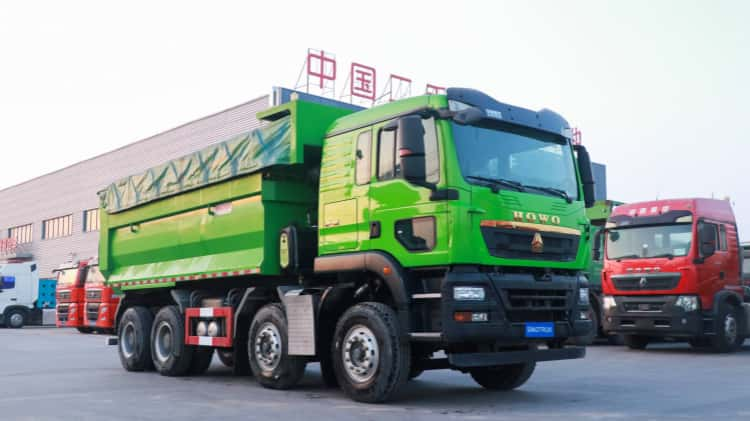
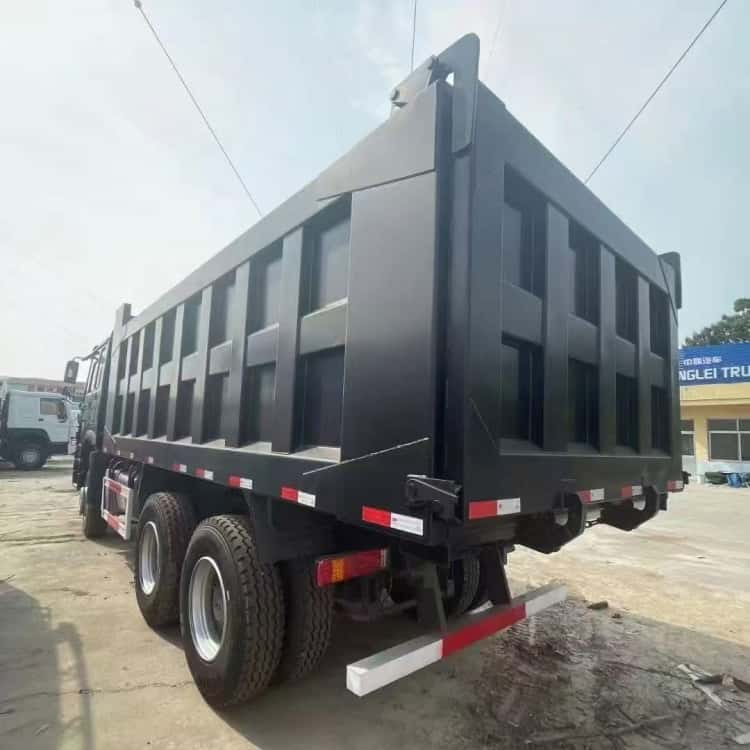
Standard long-haul TCO models often fail for construction fleets. Dump trucks, concrete mixers and site haulers operate with frequent stop-start movement, uneven payload, rough terrain and repeated lifting cycles. Mileage alone cannot reflect how quickly these assets consume fatigue margin. Many construction operators only compare upfront purchase price, ignoring hidden downtime, special structural servicing and accelerated component wear. REMAN ROAD certified remanufactured assets’s traceable baseline data gives fleet managers fixed inputs to build a realistic, cycle-driven TCO model for certified remanufactured assets.
Core input variables unique to construction fleet TCO
A reliable model separates fixed and variable costs, with cycle count as a primary fatigue metric instead of kilometres. Fixed costs include initial procurement expense, financing charges, insurance and scheduled third-party audit fees. Variable costs cover fuel, lubricants, wear parts, site-specific repair, structural NDT inspections and downtime loss.
Residual value is also modelled separately, calculated from the remaining fatigue margin recorded in the VIN Quality Log. Unlike generic used trucks, REMAN ROAD certified remanufactured assets come with known starting grade and hard duty limits, so the model avoids overoptimistic assumptions about service life.

Adjust depreciation logic for cyclic construction workload
High-stress construction assets deplete value by work cycles, not distance travelled. A dump truck completing hundreds of load-tip cycles per week wears frame brackets, suspension bushings and hydraulic components far faster than a highway tractor at the same mileage. In the TCO model, depreciation schedules must be calibrated against the pre-reman quality grade.
Grade A remanufactured assets support longer cycle lifespans. Grade B and Grade C units require steeper depreciation curves and earlier planned re-evaluation. If depreciation is calculated only by mileage, the model will underestimate value loss and produce misleading ROI results.
Quantify downtime risk as a standalone cost line
Downtime is one of the largest cost drivers on construction sites, where project schedules and rental penalties apply. The model should compare two scenarios: informal rebuilds with unvalidated structural integrity versus REMAN ROAD certified remanufactured assets with mandatory bench and dynamic road testing.
Certified remanufactured assets reduces the probability of sudden frame, brake or hydraulic failure. Modelling inputs include mean time between failure, duration of typical repairs and the financial penalty for site shutdown. This often creates the biggest TCO gap, even if the initial purchase price difference seems modest.
Integrate targeted maintenance and inspection spend
Construction remanufactured assets require periodic NDT spot checks on high-stress zones such as subframe mounts, lifting hinges and crossmembers. These inspection costs are unique to reman cores and must be built into the model.
The Quality Log guides maintenance budgeting: renewed consumables follow standard replacement cycles, while retained load-bearing castings only need trending checks. The model can test different maintenance strategies, showing the trade-off between higher inspection spend and lower catastrophic failure risk.
Common modelling pitfalls
Many finance teams reuse long-haul TCO templates for construction fleets. They ignore hydraulic circuit wear, skip cycle-based fatigue tracking and assume uniform residual value. This leads to underbudgeting for structural inspections and overstating usable service life.
Another mistake is treating all remanufactured assets as identical, without differentiating Grade A, B and C core limits. Marginal cores pushed into heavy construction work will rapidly blow out repair and downtime costs.

Final Takeaway
Effective TCO modelling for construction fleets using remanufactured assets shifts focus from mileage to work cycles, structural fatigue and site downtime exposure. REMAN ROAD’s graded intake screening, full test records and duty envelope limits supply stable, auditable inputs for the model.
When depreciation, maintenance and residual value are calibrated to construction operating patterns, fleet leaders can make objective purchasing decisions and avoid costly budget surprises on site.