Maintenance Planning for Certified Remanufactured Truck: Cost-Saving Strategies
Intro
Many fleets apply the same maintenance schedule to new trucks, used trucks and remanufactured trucks without differentiation. This leads to two costly extremes: over-servicing parts that still hold valid residual life, or missing fatigue-specific checkpoints unique to reman cores. REMAN ROAD certified remanufactured trucks come with a documented structural baseline and defined duty envelope. Maintenance planning built around this baseline turns reactive breakdown fixes into proactive, budget-friendly scheduling. All maintenance activities are tracked within the VIN-linked Quality Log, forming a continuous wear record for the asset.
Build maintenance intervals based on initial core grade and duty envelope
Maintenance frequency should not rely solely on mileage. For REMAN ROAD certified remanufactured trucks, the pre-reman grading result and approved workload define the inspection rhythm.
- Grade A cores with highway tractor duty follow longer scheduled intervals, aligned close to OEM new-vehicle schedules.
- Grade B conditional cores require mid-point supplementary checks on high-stress zones such as frame brackets, driveline joints and suspension bushings.
- Grade C marginal cores and off-road dump truck variants use cycle count as the primary trigger, with shorter structural inspection windows.
Treating every remanufactured truck with one universal schedule wastes labour and parts budget, or exposes the fleet to sudden structural failure.
Prioritise targeted inspections instead of full blind teardown
Cost savings come from inspecting fatigue hotspots, not tearing down every assembly at every service. The certified remanufactured trucks Quality Log records which components were retained after NDT screening and which were fully renewed. Renewed consumables like seals, bearings and brake linings follow standard replacement cycles. Retained castings, frame sections and gear housings focus on periodic NDT spot checks and dimensional trending.
This strategy avoids unnecessary disassembly that can introduce new leaks or alignment errors. Technicians use the remanufactured trucks test history to flag known risk areas, rather than carrying out generic service work.
Align spare parts inventory with reman component traceability
REMAN ROAD’s component traceability log lists exactly which OEM-grade parts are fitted during reman processing. Fleet maintenance teams can build a lean spare parts catalogue matched to these part numbers. Instead of stocking a broad range of incompatible aftermarket alternatives, you hold only the critical wear items confirmed for this batch of remanufactured trucks.
This reduces capital tied up in spare inventory and shortens lead time for emergency replacements. It also prevents fitting low-quality uncertified parts that erase the reman safety margin.
Use trending data to predict failures before they occur
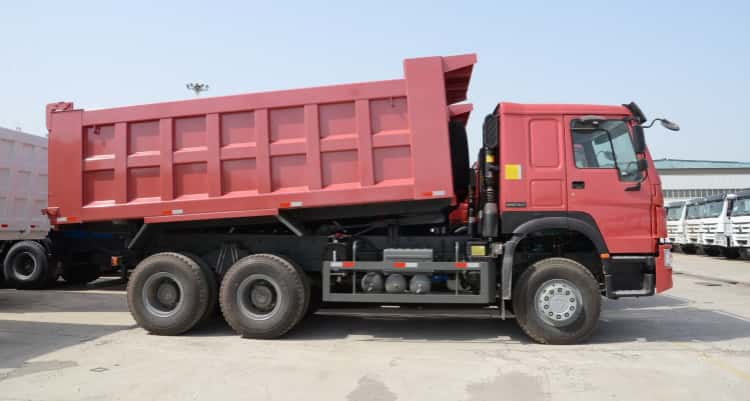
Consistent data logging during routine service creates performance trends: axle temperature, brake balance, oil analysis results and frame corrosion thickness readings. When a slow upward drift in temperature or oil metal content appears, the fleet can arrange planned repair during a scheduled stop, instead of facing roadside breakdown and expensive emergency downtime.
For reman powertrains, oil analysis is especially valuable. It verifies that internal clearances and sealing remain within the calibrated benchmark set at release. This predictive approach delivers far larger savings than waiting for obvious fault symptoms.
Avoid common maintenance mistakes that erode reman value
A frequent misstep is extending service intervals beyond the duty envelope limits to cut short-term spending. Another mistake is applying aggressive modification or heavy overload outside the certified payload and terrain rules, which accelerates fatigue and voids warranty protections.
Some fleets also replace healthy retained core components simply because they are “old-looking”, which adds unnecessary expense. All maintenance adjustments must be reviewed against the original reman quality log and duty envelope.
Final Takeaway
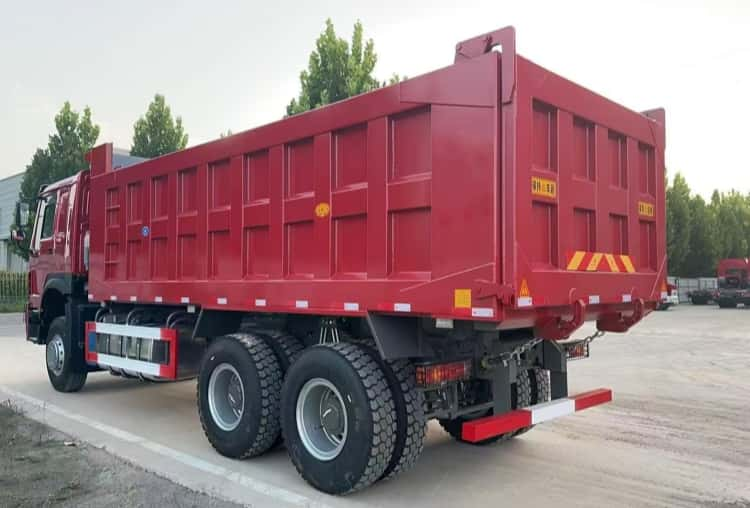
Smart maintenance planning for REMAN ROAD certified remanufactured trucks balances safety and cost control. It sets differentiated intervals based on core grade and workload, targets inspections at known fatigue hotspots, optimises spare part stocking and uses performance trending for predictive servicing. This framework protects the lifecycle reset investment, minimises unplanned downtime and delivers steady, long-term TCO savings for fleets.