How Professional Remanufacturing Improves Supply Chain Resilience For Mining Fleets?
Introduction
Mining operations depend on continuous haulage throughput, and any breakdown in equipment supply can quickly delay ore movement, disrupt crushing schedules and trigger contract penalties. Global mining fleets are vulnerable to OEM production delays, cross-border shipping bottlenecks, semiconductor shortages and limited availability of spare parts for older truck models.
Professional remanufacturing under REMAN ROAD standards creates a complementary, closed-loop supply stream for heavy-duty assemblies. It reduces over-reliance on conventional new-equipment supply channels and builds resilience that protects mining production schedules.
Build an independent inventory of pre-qualified, tested cores
Traditional supply chains for new trucks and major assemblies start from raw material processing and factory production, a long sequence vulnerable to shocks. Professional remanufacturing maintains a stock of recovered cores that have already passed cleaning, dimensional inspection and mandatory NDT fatigue testing.
When a mining site urgently needs replacement powertrain, axle or chassis assemblies, qualified cores are ready for reconditioning. This decouples critical equipment capacity from OEM factory output cycles.
Shorten lead times for emergency replacements and fleet expansion
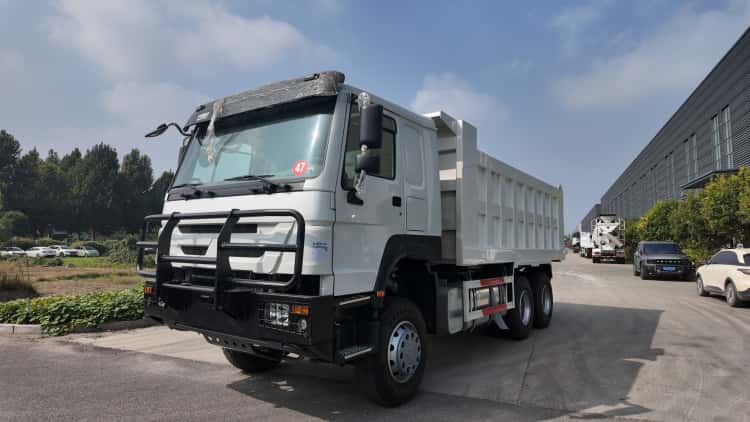
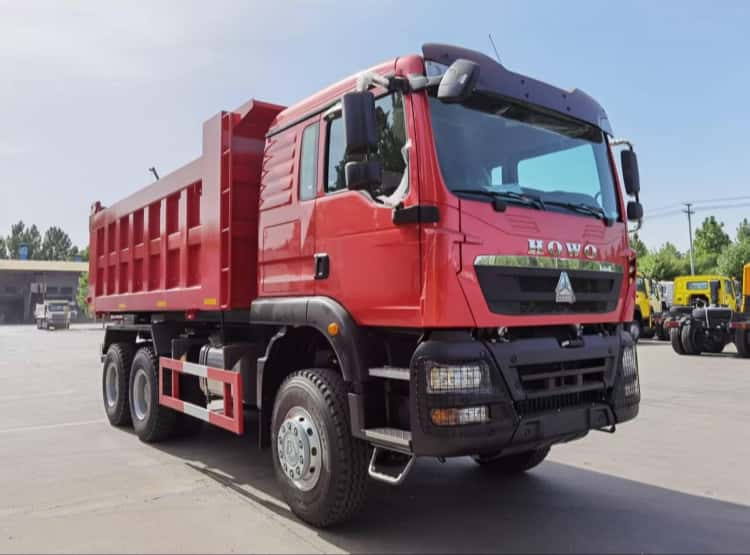
Mines often face sudden demand spikes: new mining benches opening, unexpected truck breakdowns or short-term project expansions. Ordering a brand-new dump truck can involve months of waiting.
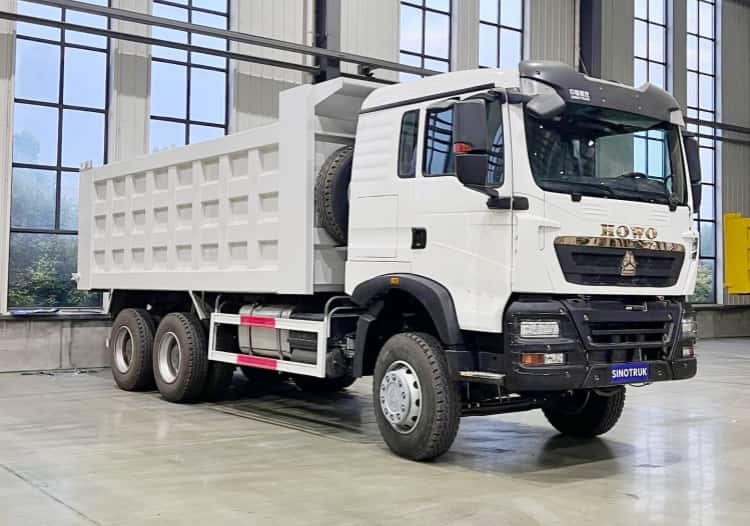
Certified professional remanufacturing builds only require refreshing wear components and reassembling pre-approved cores, delivering usable assets in a fraction of the lead time for new units. This rapid turnaround is invaluable for emergency replacements that prevent entire haulage circuits from stalling.
Reduce reliance on scarce OEM spare parts for ageing fleets
Many active mining fleets operate older truck models that OEMs have phased out of production. Original spare parts become discontinued, expensive or subject to long backorders.
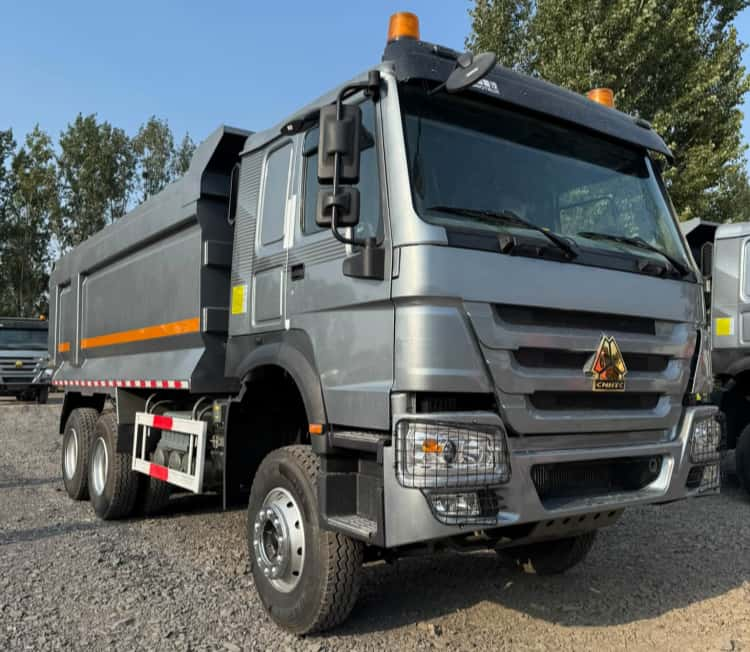
The professional remanufacturing reverse supply chain recovers functional assemblies from retired site equipment and circulates them back into service. It creates a self-sustaining secondary parts ecosystem, so mines can continue supporting legacy haulage assets long after factory support fades away.
Diversify sourcing channels instead of relying on a single manufacturer
Over-reliance on one OEM exposes mines to monopolistic pricing, sudden specification changes and force majeure shutdowns at overseas factories. Adding certified professional remanufacturing to the procurement mix diversifies the supply base.
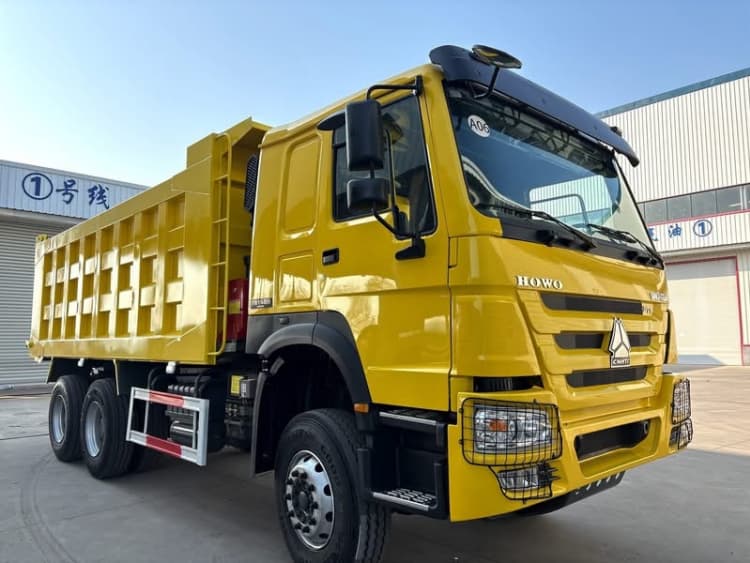
Mining operators gain a separate qualified source for complete trucks and major assemblies. This diversification limits the impact when one supplier’s production or logistics network fails.
Stabilise budgeting against raw material and freight price swings
New heavy vehicle pricing is tightly linked to steel, alloy, energy and international freight costs, all of which are highly volatile. Professional remanufacturing’s main input is recovered cores, so its cost structure is less sensitive to commodity surges.
For multi-year mining plans, professional remanufacturing enables more predictable capital budgeting. Operators can lock in capacity without being exposed to unpredictable price increases for newly manufactured hardware.
Support local reverse logistics to cut cross-border disruption risks
Professional remanufacturing can establish regional core collection and rebuild hubs close to mining clusters. Rather than shipping complete new trucks or large assemblies across multiple borders, cores are recovered locally, rebuilt locally and redeployed locally. This reduces exposure to customs delays, port congestion and international shipping disruptions that frequently impact mining equipment supply.
Conclusion
Professional remanufacturing strengthens mining fleet supply chain resilience by creating an independent closed-loop resource pipeline. Pre-tested core stock, faster delivery, support for legacy models and diversified sourcing reduce vulnerability to OEM and global logistics disruptions.
For mine operators, professional remanufacturing is not merely a cost-saving alternative — it is a strategic supply chain tool that safeguards continuous haulage production amid unpredictable global market conditions.