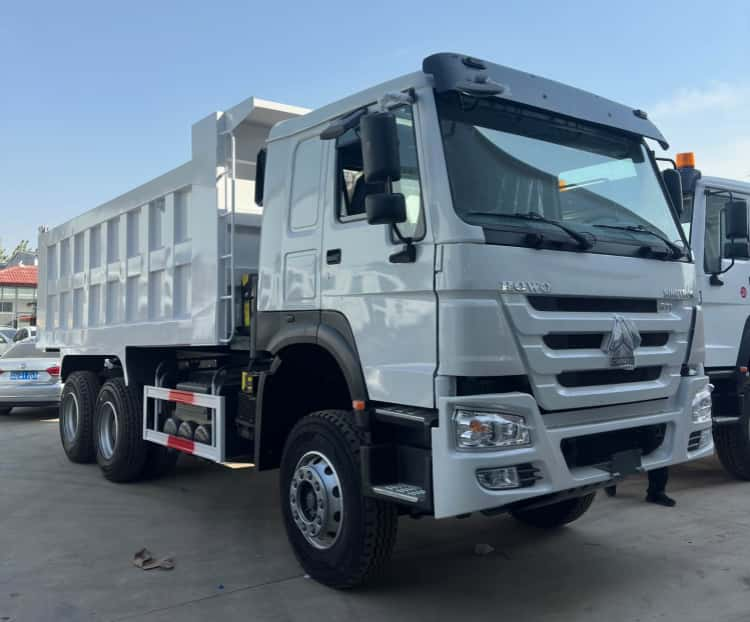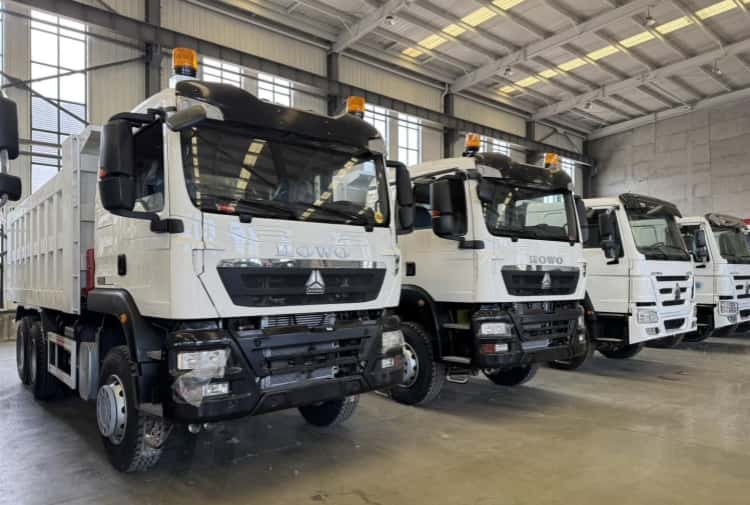
Why Real Remanufacturing Gains Popularity Among Cross-Border Fleet Importers?
Introduction
Cross-border heavy vehicle importers face a unique set of headaches: long OEM lead times, high new-truck CAPEX, unpredictable customs scrutiny, currency volatility and the huge risk of importing undocumented used trucks with hidden structural flaws. For markets across Africa, Southeast Asia and Latin America, cheap second-hand imports often end in costly field failures, warranty dead-ends and rejected shipments.
Authentic real remanufacturing under REMAN ROAD standards solves many of these cross-border pain points. It sits between expensive new factory trucks and risky uninspected used stock, bringing process transparency, auditable records and controlled costs to international fleet procurement.
Clear, serialised documentation simplifies customs and compliance checks
Cross-border used vehicle import rules are tightening in many destination countries. Customs officers and transport regulators increasingly require proof of vehicle condition, rebuild scope and safety testing. Generic used trucks usually carry only basic title paperwork, with no evidence of what repairs were done.
Every REMAN ROAD reman truck comes with NDT reports, dimensional inspection logs, parts replacement manifests and final performance test records tied to the vehicle serial number. This organised documentation lowers the risk of shipment detention, inspection delays or customs rejection, a major concern for importers moving large batches of haulage trucks.
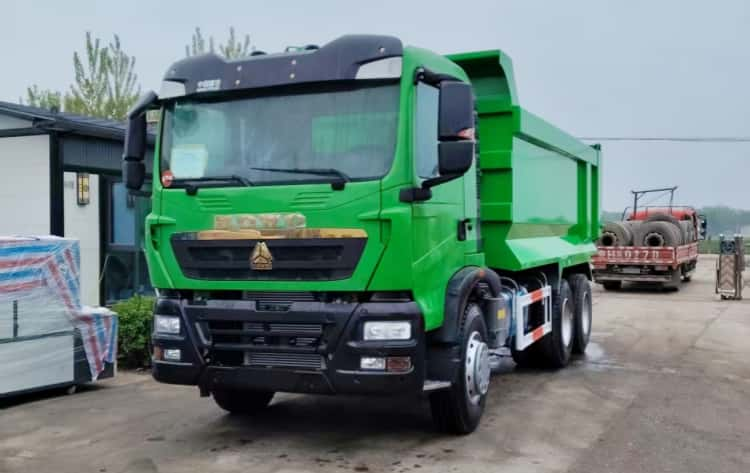
Lower upfront capital fits tight cross-border project budgets
Most overseas infrastructure and mining contractors operate with constrained USD budgets and shorter project cycles. Brand-new heavy dump trucks demand massive capital outlay and tie up cash for years.
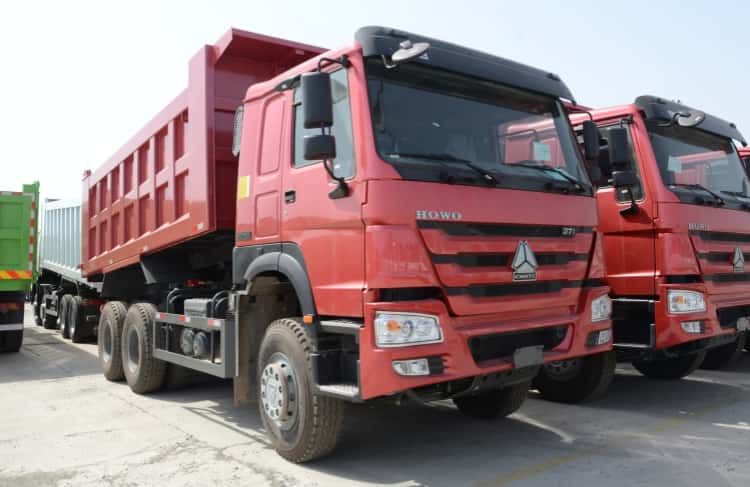
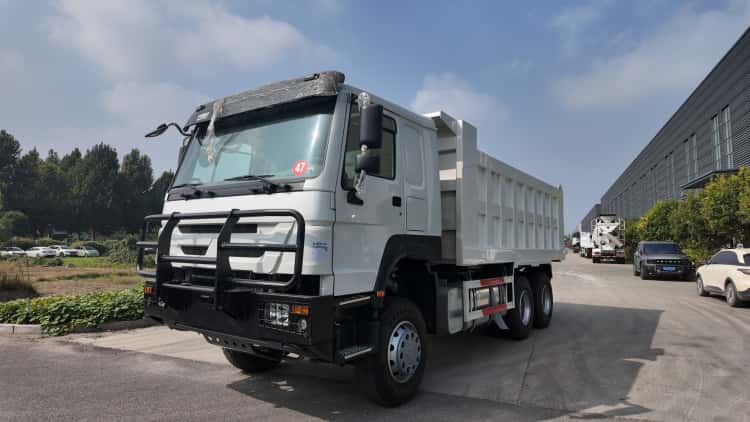
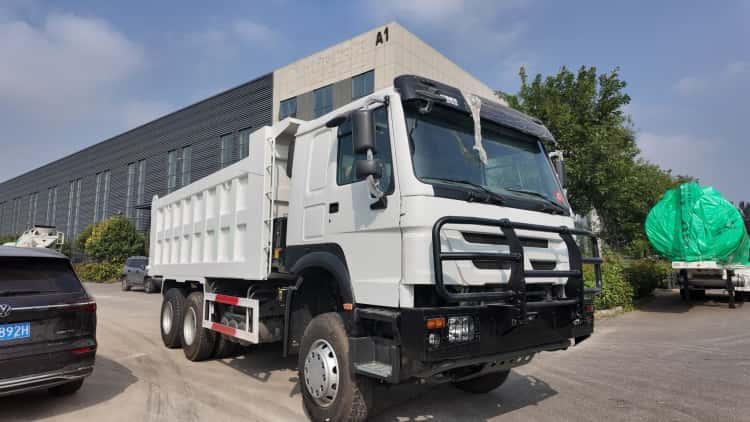
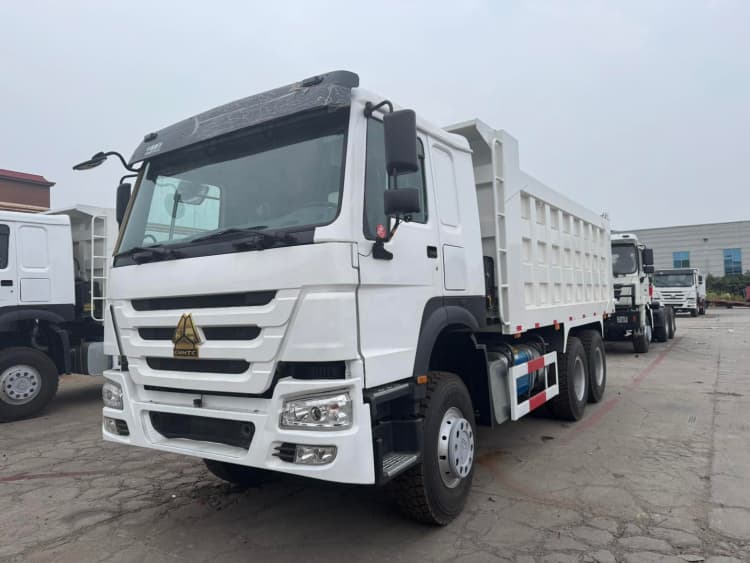
Authentic REMAN ROAD reman trucks deliver near-new performance at a fraction of the purchase price. Importers can bring in more fleet capacity with the same budget, scale quickly for short-term quarry or road-building contracts and reduce exposure to exchange-rate shocks that hit high-value new equipment purchases hardest.
Predictable quality removes the “used truck lottery” for remote fleets
Once trucks arrive at remote mine or quarry sites, spare parts support and emergency repair services are often limited. A cheap, unvetted used truck breakdown in an isolated location can mean weeks of downtime.
Real remanufacturing follows full teardown, mandatory wear-part renewal and NDT fatigue screening before export. Importers know exactly what they are buying, rather than gambling on unknown prior overload, neglected maintenance or hidden frame cracks. This consistency makes batch ordering far safer for resale or direct fleet deployment overseas.
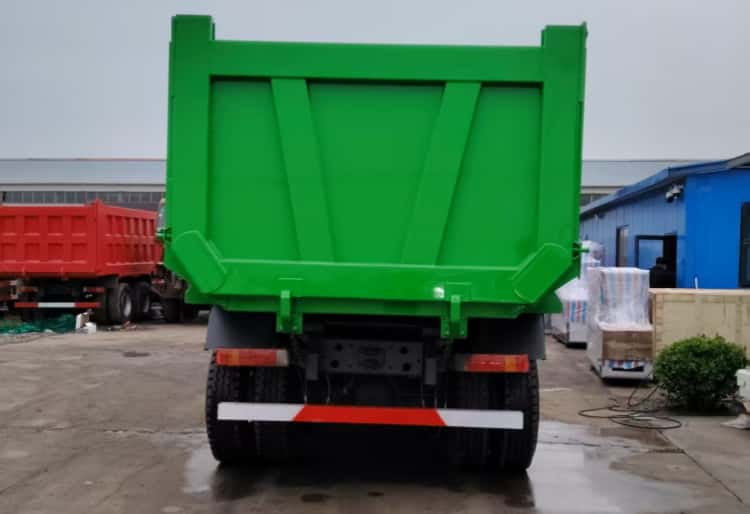
Shorter lead times match fast-moving cross-border tender schedules
New heavy truck orders can take many months to manufacture and ship. Cross-border importers frequently receive urgent tender awards requiring fleet delivery within tight windows. Certified real remanufacturing builds rely on pre-qualified, pre-tested core inventory.
Rebuild and pre-export validation cycles are much faster, helping importers meet tight delivery deadlines and win more project contracts without waiting on OEM backlogs.
Unified rebuild specs simplify aftersales and spare-part stocking
Importers usually support multiple fleets across wide territories. Random used trucks arrive with mixed specs, modified components and mismatched drivetrains, complicating local spare-part inventories and technician training.
REMAN ROAD’s standardised real remanufacturing rebuilds follow fixed specifications for each model. This uniformity lets importers build regional spare-part kits, create consistent service guides and offer reliable local aftersales support to their end clients.
Auditable ESG credentials open tender eligibility in global projects
International funders, multinational mining groups and large infrastructure clients now add circular economy and carbon reduction clauses to tender requirements.
Authentic real remanufacturing’s reuse of qualified heavy cores delivers verifiable embodied carbon savings, backed by official process records. This gives cross-border importers a differentiator: they can supply fleets that satisfy ESG audit requirements, while competitors selling ordinary used trucks cannot provide the same sustainability evidence.
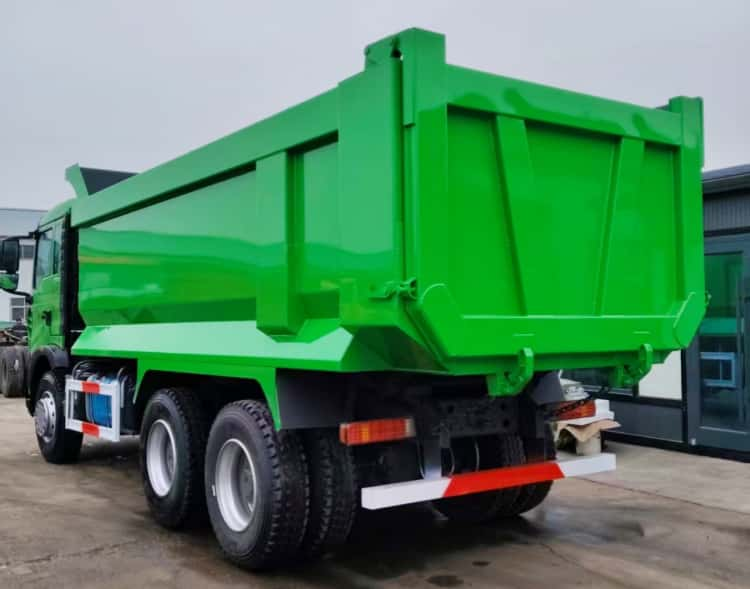
Transparent warranty terms reduce cross-border dispute risks
With informal refurbished trucks sold internationally, warranty promises often fall apart once the container lands overseas. Suppliers may disclaim off-road abuse, dust damage or structural failures. Certified real remanufacturing comes with clearly defined warranty scope written into export sales terms.
The full audit trail helps resolve claims fairly across borders, protecting the importer’s reputation and reducing expensive legal and commercial disputes between overseas buyers and export suppliers.
Conclusion
Real remanufacturing is winning favour with cross-border fleet importers because it reduces the biggest international trade risks: compliance uncertainty, unknown mechanical defects, capital pressure, long lead times and weak aftersales accountability.
Standardised rebuild workflows and serialised certification turn heavy truck imports from a speculative purchase into a predictable, auditable asset transaction. For importers serving mining, quarry and bulk haulage clients globally, certified real remanufacturing has become a strategic, competitive product line.