Common Misconceptions About Remanufactured Heavy Duty Trucks Debunked
Introduction
Many fleet procurement teams hold outdated assumptions about remanufactured heavy duty trucks, formed from experiences with low-end refurbishments, informal yard rebuilds or second-hand truck sales. These misconceptions skew purchasing decisions and cause operators to overlook a reliable, sustainable capacity solution.
Authentic remanufacturing under REMAN ROAD benchmarks follows strict standard reman workflow, which means many popular beliefs are simply inaccurate. Below we address the most frequent myths and clarify the facts for haulage, quarry and mining operations.
Misconception: Reman trucks are just “used trucks with a fresh coat of paint”
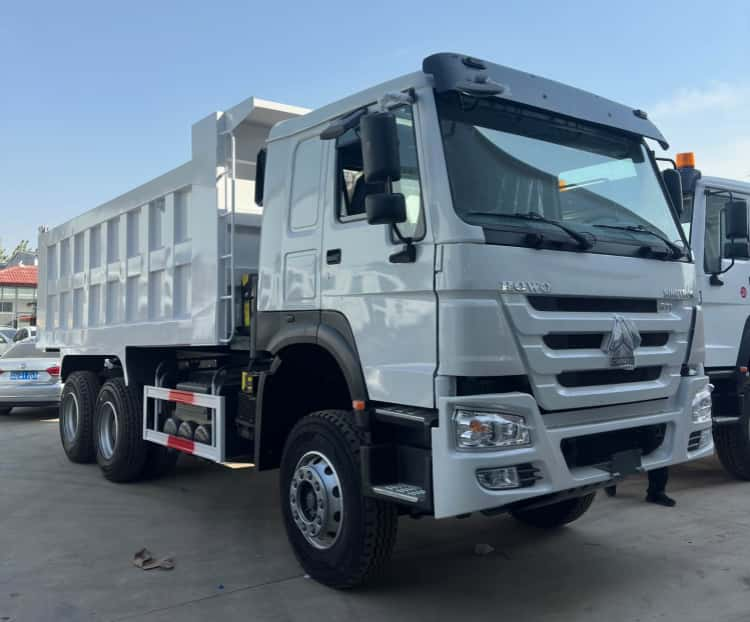
The reality: Cheap cosmetic refurbishment only cleans, repaints and fixes obvious faults. Authentic remanufacturing requires full disassembly of critical assemblies, precision dimensional inspection, mandatory NDT fatigue testing of load-bearing cores and scheduled replacement of all high-cycle wear parts.
Cosmetic finish is secondary to structural integrity and performance reset. A certified remanufactured heavy duty truck receives a complete lifecycle refresh, not just surface touch-ups.
Misconception: Remanufactured trucks cannot handle heavy off-road quarry and mine duty
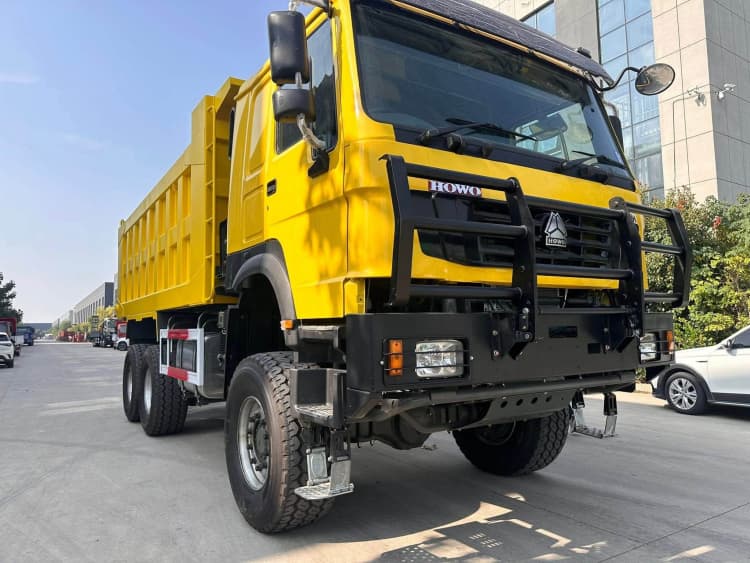
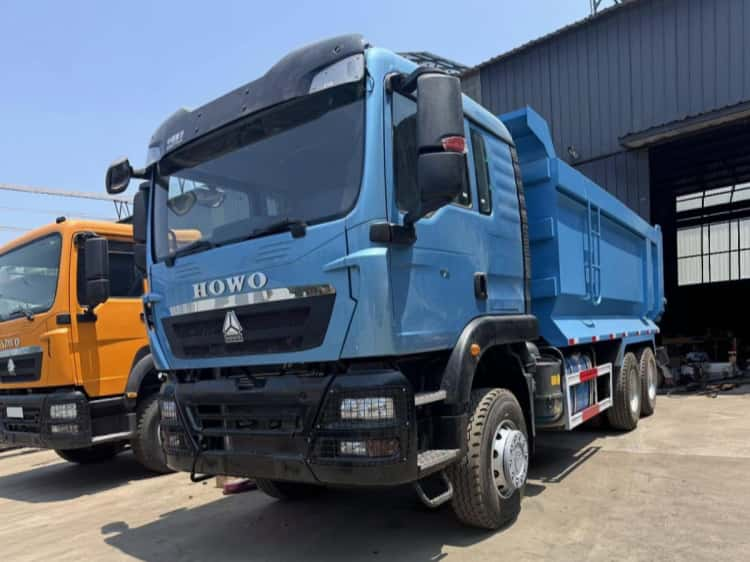
The reality: Suitability depends on rebuild standards, not the reman label itself. REMAN ROAD builds purpose-tailored remanufactured trucks for off-road cyclic loads, with reinforced sealing systems, load testing for downhill braking and torque validation via dynamometer checks.
When built to heavy-duty off-road specifications and maintained on adjusted service intervals, certified remanufactured heavy duty trucks reliably deliver the throughput required in quarries and mine sites. Light-duty rebuilds are the ones unsuitable for these environments.
Misconception: Remanufactured trucks have a much shorter service life than new trucks
The reality: A properly qualified core that passes NDT screening retains most of its structural service potential. After full wear-component renewal, certified remanufactured heavy duty truck enter a predictable new service cycle.
While the base core has accumulated prior stress history, scheduled preventive maintenance helps unlock long service life. The gap in usable lifespan is far smaller than most buyers assume, and the TCO often outperforms new equipment over the ownership period.
Misconception: All remanufacturing work is the same across suppliers
The reality: “Reman” is an unregulated term in many markets. Some suppliers call simple repairs remanufacturing. Genuine standard reman workflow adheres to recognised standards such as ISO 10987-2, with documented checklists, serialised traceability and independent testing.
Without these controls, quality varies drastically. The label alone offers zero guarantee. Buyers must audit process documentation, NDT records and test protocols before purchase.
Misconception: Warranties for reman trucks are always worthless or extremely limited
The reality: Low-grade refurbishment typically carries weak warranties packed with exclusions for dust, overload and off-road use. Professional certified reman suppliers define clear, process-backed warranty terms upfront.
Coverage applies to defects originating from the standard reman workflow, with transparent limits shared before sales. Complete audit trails also simplify root-cause analysis and speed up valid warranty claims.
Misconception: Reman trucks are only a cheap option for small, low-profit fleets
The reality: While lower CAPEX is a major benefit, authentic remanufacturing is a strategic asset for large mining contractors and cross-border importers as well. It solves supply chain bottlenecks, supports ESG tender requirements, stabilises budgets and diversifies fleet sourcing.
Many large operators mix new and reman assets to match different project needs: permanent long-life fleets use new trucks, while short-term contracts and rapid capacity expansion rely on reman units.
Misconception: Carbon-saving claims for reman trucks are just greenwashing
The reality: Greenwashing occurs when sustainability claims lack evidence. Formal authentic remanufacturing paired with standardised LCA carbon accounting, serialised core records and GHG Protocol-aligned calculations produces auditable Scope 3 emission savings.
Each reused qualified core avoids the high carbon footprint of casting and forging new equivalents. When backed by complete documentation, these environmental benefits are acceptable for client audits and investor ESG reviews.
Conclusion
Most negative perceptions of remanufactured heavy duty trucks stem from confusing authentic certified reman with low-cost, undocumented refurbishment. Certified authentic remanufacturing is a standardised regeneration process, not a quick patch repair.
It can support demanding off-road workloads, deliver long service cycles, carry meaningful warranties and generate verifiable environmental benefits. For fleet buyers, distinguishing between these two categories is the key to making objective, profitable equipment decisions.