What Makes a Core Eligible for Trucks Remanufacturing?
Intro
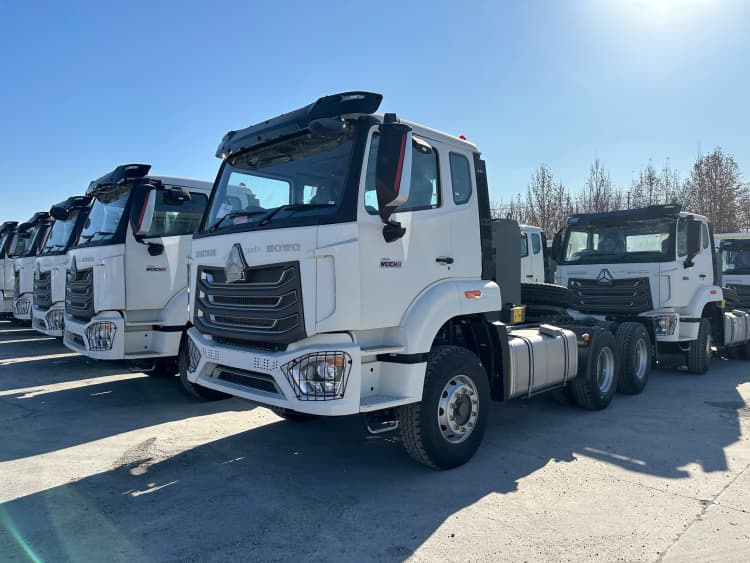
Not every used heavy truck core can enter standard trucks remanufacturing under REMAN ROAD. Eligibility is not judged by surface appearance or mileage alone; it relies on engineering assessment of structural integrity, fatigue state, material viability, traceability, and legal compliance. Only cores meeting all mandatory gates can go through full disassembly, NDT inspection, component grading and reset to deliver new-equivalent performance.
Structural frame and load-bearing members retain sufficient residual fatigue capacity
The chassis frame, crossmembers, axle housings, kingpin mounts and suspension brackets are non-negotiable.
- No crack propagation, severe corrosion thinning, or prior improper welding/straightening that compromises original design strength.
- NDT (UT, MPI, RT) must clear all high-stress zones; any irreversible fatigue cracking automatically marks the core as end-of-life and scrap.
- Frame dimensional tolerance stays within OEM original specification. Bent frames that cannot be restored to factory geometry are rejected.
Base material remains repairable, without irreversible degradation
Material condition separates reman-eligible cores from scrap:
- No widespread hydrogen embrittlement, high-temperature burnout, or material grain damage from overheating accidents.
- Corrosion is localized rather than deep pitting that reduces wall thickness below the minimum design threshold.
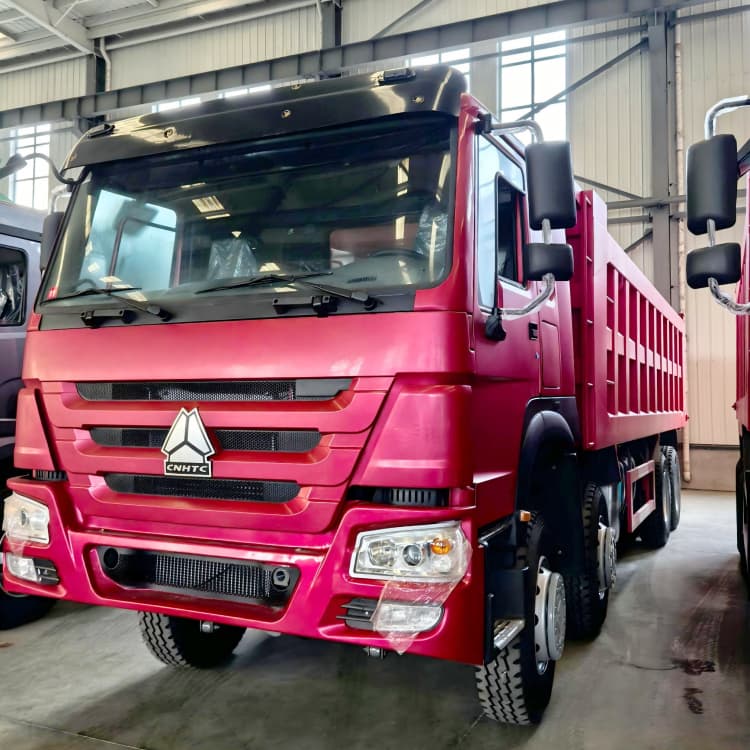
- Casting and forging base metals can be machined, built up and tested back to OEM specs. Cores with brittle, degraded metallurgy are disqualified.
No unrecorded major accident, overload or improper modification history
Hidden history is one of the largest risks for reman cores:
- Severe rollover, frontal crash, or long-term chronic overload will introduce invisible internal fatigue even if external parts look fine.
- Unauthorized cutting, drilling, reinforcement or non-OEM structural modification voids the original engineering baseline.
- Service logs, maintenance records and accident declarations must be verified. Missing critical history raises the risk flag and may reject the core.
Key mating surfaces and reference datum are recoverable
Standard trucks remanufacturing aims to restore original design intent, which depends on intact datum points:
- Cylinder block decks, crankshaft journals, axle seating faces, bearing housings and mounting datums must be restorable via machining or overlay welding.
- If datum surfaces are gouged, worn or distorted beyond the maximum allowable repair limit, the core loses reman eligibility.
Component traceability and part lineage can be established
REMAN ROAD requires full audit trail:
- Original OEM part numbers, production batches and service records should be retrievable.
- Unknown substitute aftermarket structural parts mixed into the core without traceable material certificates make the core ineligible for certified reman.
- Every reusable sub-component must pass grading: reusable, repairable or mandatory scrap.
Legal, emissions and regulatory baseline compliance
Even technically sound cores are rejected if they cannot meet target market rules:
- VIN and documentation are authentic, not stolen or salvaged with irreparable title defects.
- The base engine and aftertreatment architecture can be rebuilt to satisfy applicable emission standards of the destination market.
- No outstanding recall defects that cannot be fully resolved during the reman workflow.
Economic feasibility aligned with TCO logic
Technical eligibility does not automatically mean the core is selected:
- Repair, testing and part replacement cost must stay below the threshold that makes reman superior to buying new.
- If too many high-cost core components fall into the mandatory scrap category, the asset becomes uneconomical for certified trucks remanufacturing and should be cannibalized for spare parts instead.
Closing
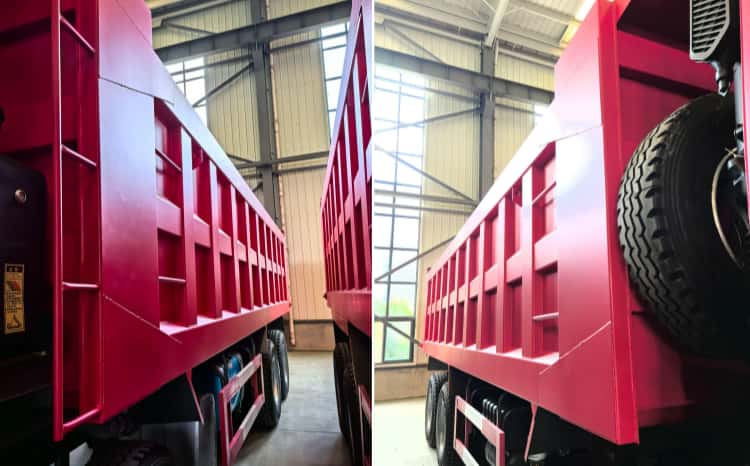
A reman-eligible truck core is defined by one core rule: its fundamental engineering baseline can be reset back to OEM performance, safety and reliability through standardized reman processes. Cores failing structural NDT, suffering irreversible material damage, or carrying undocumented crash/modification history belong to end-of-life recycling rather than certified trucks remanufacturing.