How Qualified Remanufacturing Helps Transport Businesses Navigate Inflation Pressures?
Introduction
Rising inflation pushes up costs across the heavy transport sector: new vehicle prices, raw metal, spare parts, labour and logistics expenses all trend upward. For transport and bulk haulage businesses, fleet renewal is one of their largest capital outlays, and price volatility can derail multi-year budget plans.
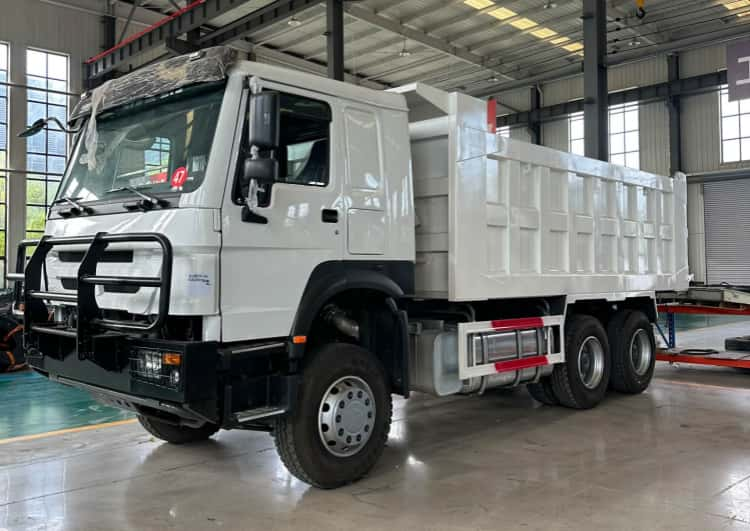
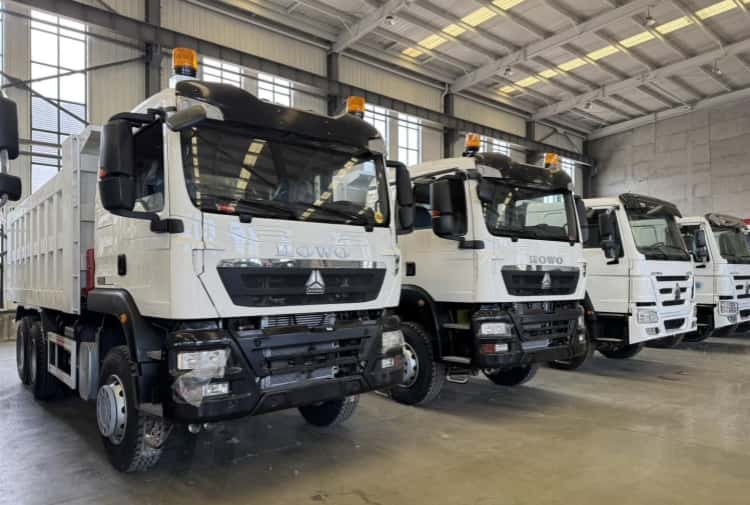
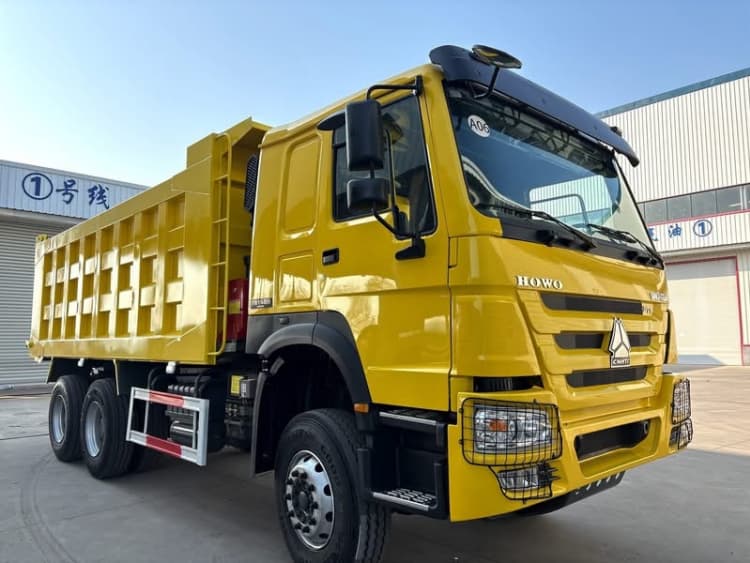
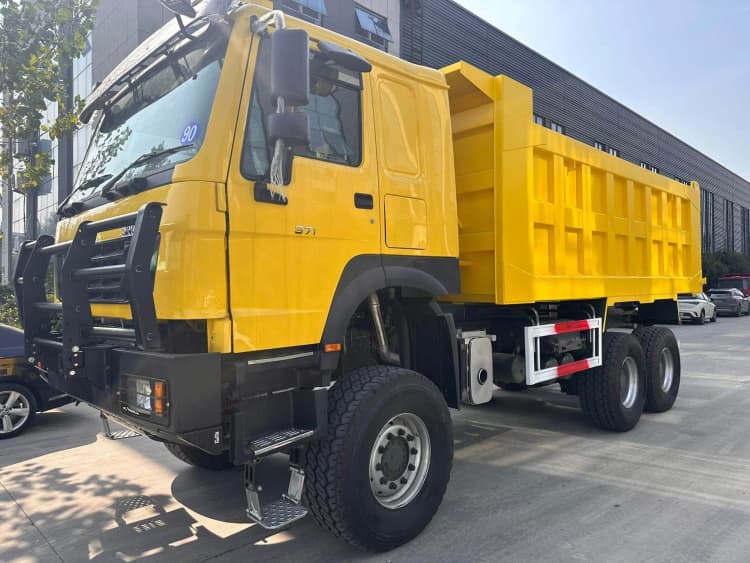
Qualified remanufacturing under REMAN ROAD benchmarks offers a practical buffer. It reduces reliance on expensive brand-new truck purchases, locks in predictable lifecycle spending and protects haulage capacity without exposing operators to inflated equipment market rates.
Reduce exposure to inflated new heavy vehicle pricing
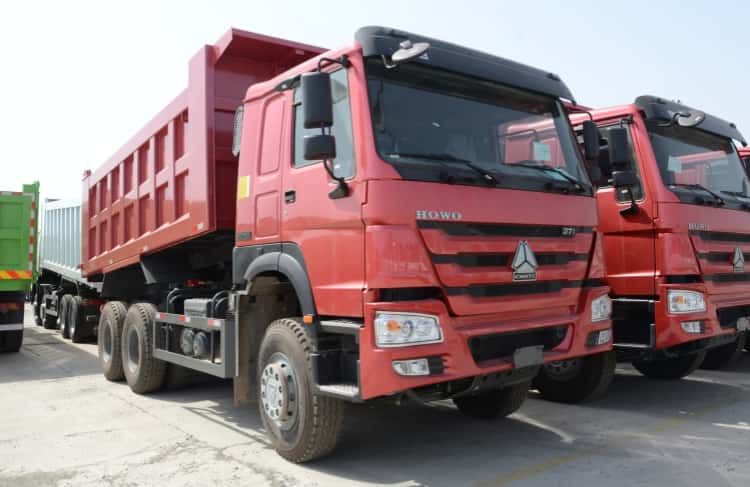
New dump trucks and heavy haulage assets are highly sensitive to metal alloy, energy and factory labour inflation. Every wave of cost increases gets passed directly to buyers.
Qualified remanufacturing leverages recovered, inspection-verified cores as its foundation. The core asset already exists, so the build only requires targeted wear parts and reconditioning work. This results in a far lower purchase price compared to new equivalents, cutting the size of capital outlay during high-inflation periods.
Stabilise maintenance spending amid rising spare part costs
Inflation also drives up aftermarket component prices. Fleets running unvetted used trucks face unpredictable repair events that require rushed, expensive emergency part purchases.
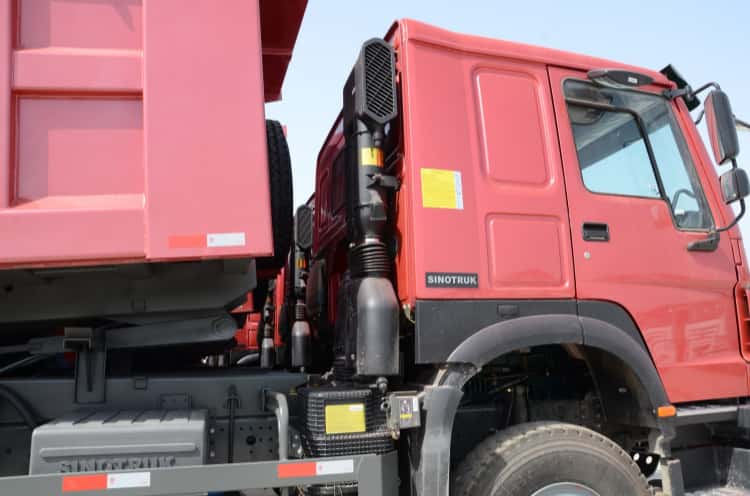
Standardised qualified reman trucks ship with fresh bearings, seals, gaskets and friction components, and come with clear service baseline records. Operators can schedule preventive maintenance in advance, plan part procurement strategically and avoid costly last-minute expedited orders that carry steep inflation markups.
Preserve working capital for day-to-day operational costs
Transport businesses face many recurring inflationary expenses: fuel, driver wages, site access fees and freight charges. Investing less capital into each truck frees up cash flow to cover these rising running costs.
Instead of sinking large sums into a small number of new vehicles, operators can expand haulage capacity gradually with qualified reman trucks and keep liquidity available to absorb unexpected cost shocks.
Limit depreciation losses when asset values fluctuate
In inflationary markets, new heavy equipment often experiences rapid depreciation once deployed. Qualified reman trucks with complete traceable documentation hold more predictable residual value.
Their rebuild standard is auditable, so the asset retains resale or trade-in value better than undocumented refurbished trucks. This reduces the net financial loss when the time comes for fleet turnover.
Avoid supply chain surcharges tied to new vehicle manufacturing
New truck deliveries frequently include inflation-related surcharges for shipping, raw materials and factory backlogs. The remanufacturing reverse supply chain works with pre-qualified local or regional core stock.
Shorter production cycles and less dependence on global OEM manufacturing pipelines help avoid many of these extra surcharges and delivery premiums.
Conclusion
Qualified remanufacturing eases inflation pressure for transport companies by lowering the size of capital commitments and reducing exposure to volatile new-equipment pricing.
Predictable maintenance schedules, preserved liquidity and stable residual value create budget stability when industry costs are climbing. For haulage operators, it is a fleet strategy that brings cost predictability in an otherwise unstable market environment.