The Role of NDT Testing In Trustworthy Heavy Vehicle Remanufacturing
Introduction
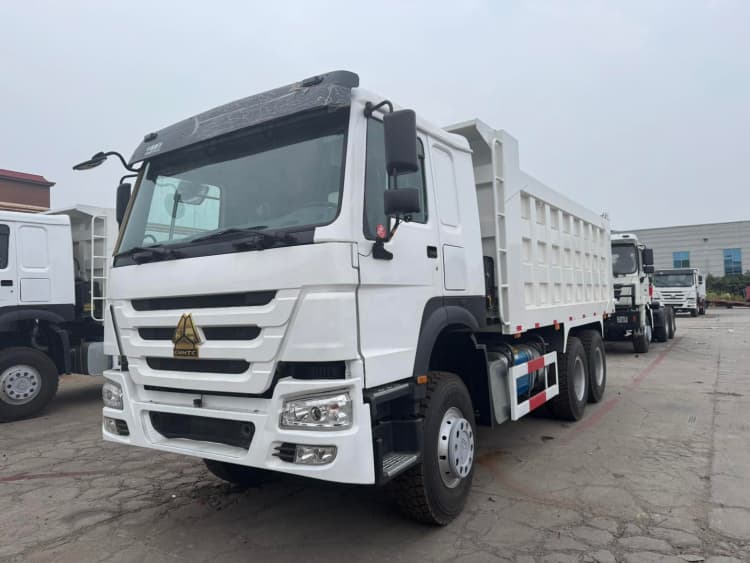
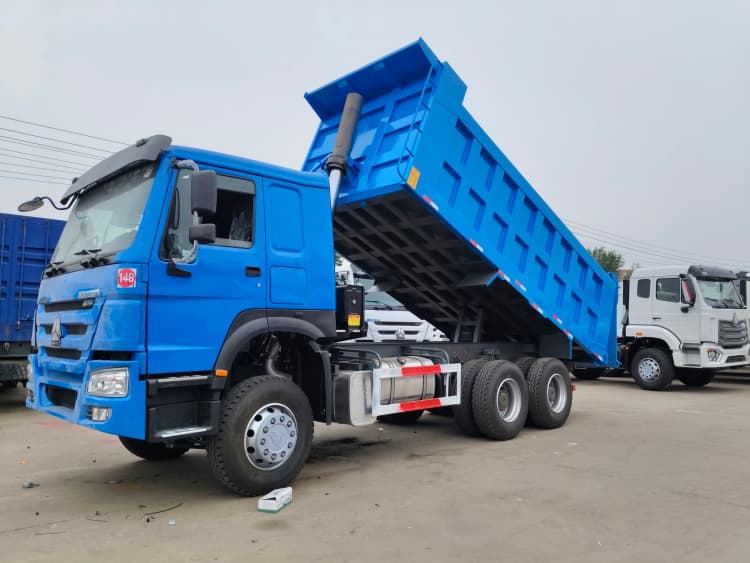
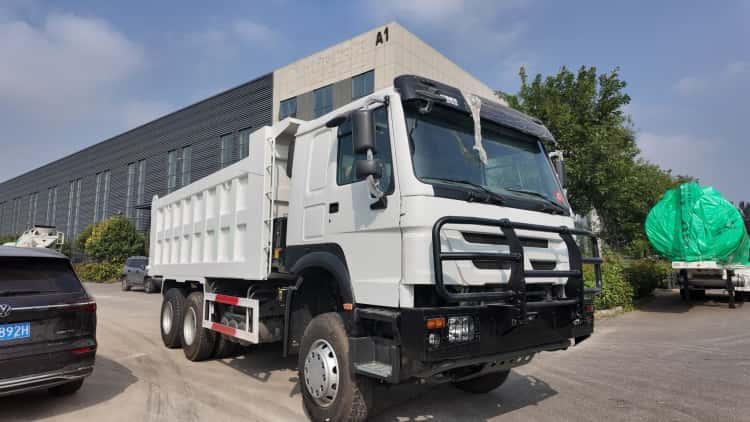
Heavy-duty dump trucks operate under cyclic shock loads, steep downhill braking and abrasive off-road conditions. Over thousands of operating hours, load-bearing cores develop subsurface fatigue damage that cannot be spotted by visual checks or simple dimensional measurements. This invisible damage is one of the biggest safety and operational threats for haulage fleets.
Within REMAN ROAD’s certified heavy vehicle remanufacturing workflow, Non-Destructive Testing (NDT) acts as the critical quality gate. It evaluates core integrity without cutting, breaking or permanently altering the component, forming the foundation of trust between reman suppliers and fleet operators.
NDT uncovers hidden subsurface fatigue that visual inspection misses
A crankshaft, chassis frame or axle housing may look clean and dimensionally correct after cleaning and machining, yet still contain tiny fatigue cracks spreading beneath the surface. These cracks grow gradually under repeated heavy payloads and can trigger sudden, catastrophic structural failure during haulage cycles.
Non-Destructive Testing methods including magnetic particle testing, ultrasonic testing and liquid penetrant inspection are designed to identify these internal defects. Any core with unacceptable crack indications is rejected and routed for recycling, rather than moving forward into assembly.
It validates the fitness of reused high-value cast and forged cores
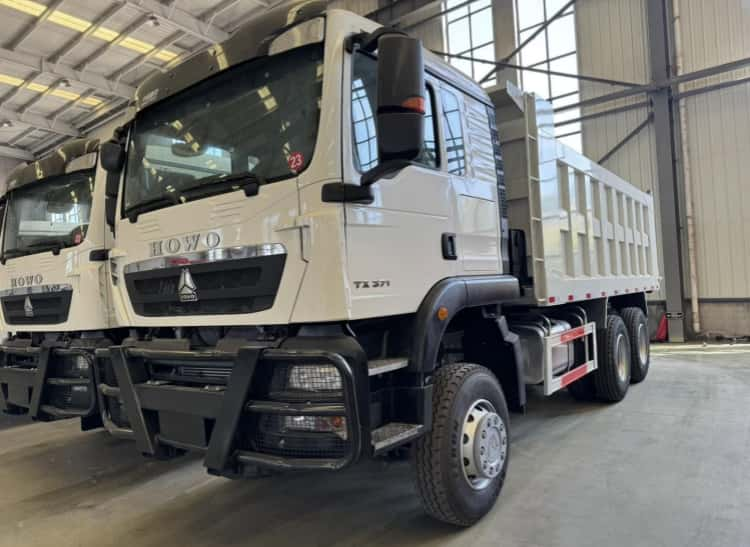
The core reuse model that powers heavy vehicle remanufacturing relies on one core assumption: the recovered base component remains structurally sound. Unlike new parts which leave production free of service-induced fatigue, every used core has a prior operating history.
NDT provides objective, documented proof that the core has not accumulated dangerous material degradation. This differentiates certified heavy vehicle remanufacturing from cheap refurbishment, where worn cores are reused with zero fatigue screening.
Standardised NDT procedures deliver repeatable, auditable results
Trustworthy Non-Destructive Testing is not a casual check. It follows recognised industry testing standards, calibrated equipment and certified technicians. Test parameters, scan locations, sensitivity levels and findings are recorded and linked to the component serial number.
The resulting report becomes part of the full reman truck documentation package available for client audits, tender reviews and ESG compliance checks. This removes subjective mechanic judgement from the critical safety evaluation step.

Targeted NDT scope focuses on high-risk load-bearing assemblies
Not every small component requires Non-Destructive Testing screening. The inspection plan prioritises safety-critical parts exposed to cyclic loading: main chassis frames, crankshafts, axle housings, steering knuckles and brake support structures.
Fasteners, brackets and non-load-carrying housings follow separate visual and dimensional criteria. This targeted approach balances thoroughness and efficiency, ensuring the highest-risk points receive the strictest scrutiny without unnecessary testing overhead.
NDT reduces long-term fleet liability and downtime risk
A structural failure on a mine or quarry site carries severe consequences: operator safety incidents, production shutdowns, contract penalties and insurance complications.
By filtering out fatigued cores at the start of the rebuild process, NDT prevents these hazards from entering the fleet. Although NDT adds upfront process cost, it drastically cuts the probability of expensive, disruptive in-service failures that are far more damaging to fleet profitability.

Limitations of NDT that fleet buyers should understand
NDT is extremely powerful, yet it is not infallible. Its accuracy depends on properly calibrated tools, trained inspectors, clean component surfaces and correct test selection. No NDT method can detect every possible micro-defect under all conditions.
For this reason, NDT works alongside other quality controls: dimensional tolerance checks, material hardness verification and final functional load testing. It is one pillar of the quality system, not a standalone guarantee.
Conclusion
NDT testing is the cornerstone of trustworthy heavy vehicle remanufacturing. It reveals invisible fatigue damage in reused load-bearing cores, provides objective audit-ready evidence of structural integrity and eliminates the most dangerous hidden risks for off-road fleets.
For procurement teams evaluating reman suppliers, proof of systematic, documented NDT screening is one of the clearest markers separating genuine certified heavy vehicle remanufacturing from unregulated rebuild work.