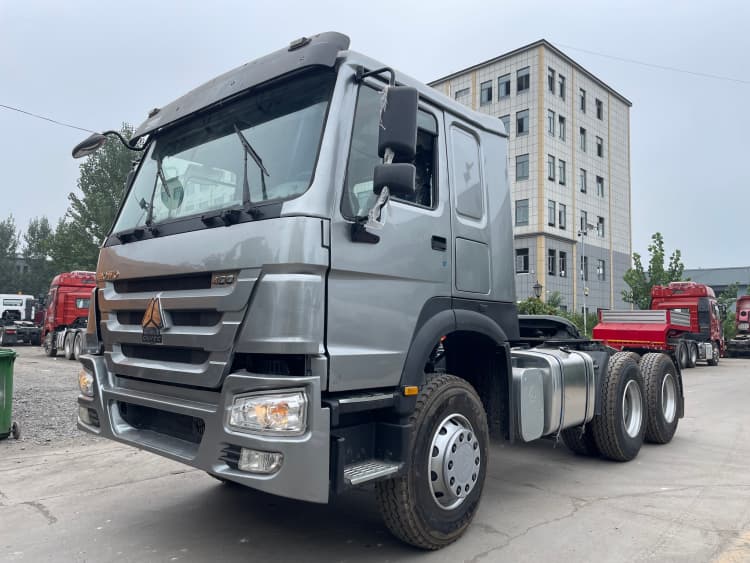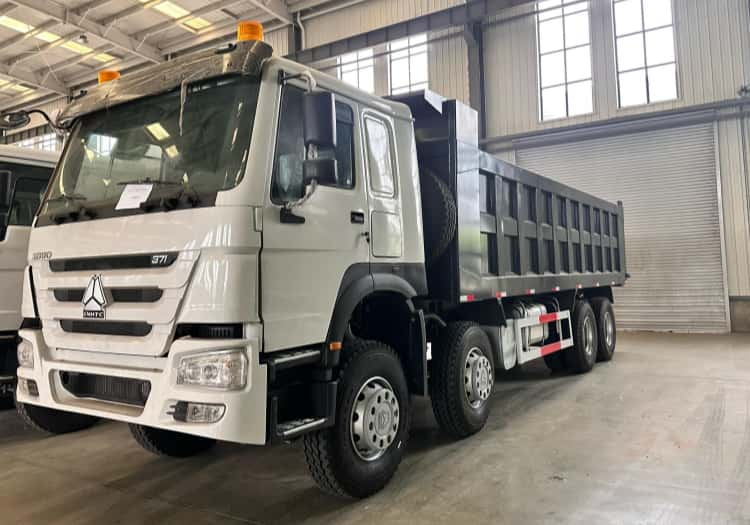
Reused Chassis & Frame in Verified Reman: Eligibility Rules & Engineering Rationale
Intro
The chassis and frame form the structural backbone of a heavy-duty truck. Unlike engines, brakes or hydraulics that are often treated as replaceable assemblies, the frame is a long-life primary asset. Many fleet buyers wonder whether used frames are safe to reuse in verified remanufacturing, which sections can be retained, and where hard limits apply.
Under the REMAN ROAD verified remanufacturing framework, frame reuse is not automatic — it is only approved after rigorous structural assessment. The core principle: a frame may be reused when its original design strength, fatigue margin and dimensional geometry can be verified and preserved.
Which frame components are eligible for reuse?
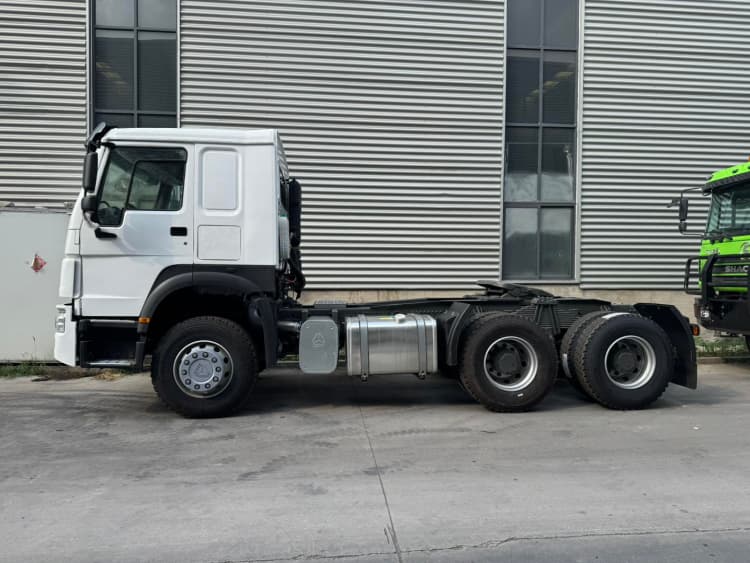
The main ladder frame, side rails, crossmembers and factory-mounting brackets are the primary reusable elements.
- Side rails: The longitudinal main rails are the highest-value part of the chassis. If they pass NDT, dimensional checks and corrosion evaluation, they are retained. These large formed steel members carry massive embodied carbon and production cost; reman is designed to preserve them.
- Factory crossmembers: Original OEM crossmembers that connect the two side rails. They are inspected for cracking, deformation and thinning. Minor surface wear is acceptable, but twisted, cracked or heat-damaged crossmembers are scrapped.
- Original mounting brackets: Suspension brackets, axle seats, fuel tank and cab mounts that were factory-welded or bolted to the frame. These must be checked at weld toes and stress concentration zones, where fatigue cracks most often start.
- Frame fasteners (selective): High-strength frame bolts are evaluated individually. Many are replaced by default due to fatigue risk; only fasteners meeting material and torque specification, with no stretch or corrosion, can be retained under controlled documentation.
Parts that are not considered reusable as structural elements: aftermarket reinforcement plates, field-added welded brackets, improperly straightened sections, and frames modified for non-OEM load ratings.
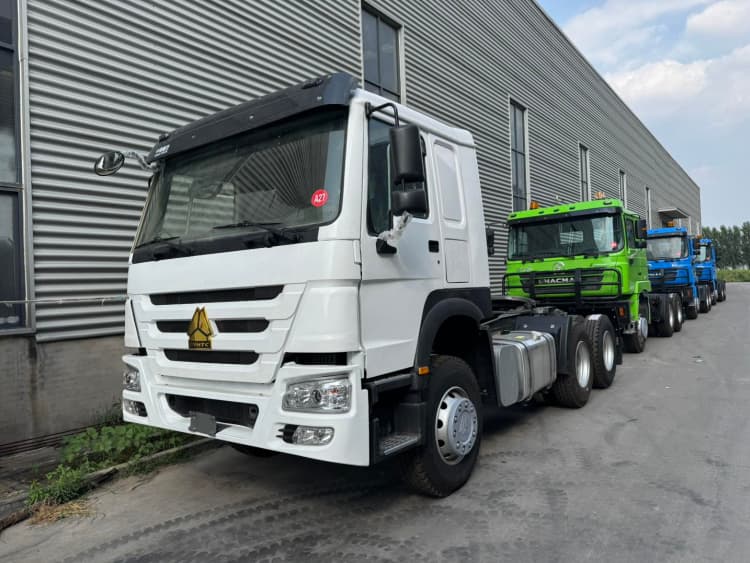
What must always be replaced or discarded?
Reuse rules include clear non-negotiable scrap criteria for chassis components.
- Any rail or crossmember with propagating fatigue cracks, even if small.
- Sections with deep pitting corrosion that reduces wall thickness below OEM minimum section requirements.
- Frame sections permanently distorted from collision overload or improper cold straightening, which locks in residual stress.
- Welds that show poor penetration, cracking or repair work from prior unapproved field repairs.
- Corroded threaded holes, elongated mounting slots and damaged kingpin mounting zones that cannot be restored safely.
Consumable chassis attachments such as suspension bushings, leaf spring pads, rubber isolators and bump stops are replaced new in verified remanufacturing, even if they look intact. These wear items have predictable fatigue lifespans and are not part of the permanent structural reuse scope.
The critical inspection gate before frame reuse: NDT and dimensional validation
Visual inspection alone cannot justify reusing a truck frame.
- Mandatory NDT methods (ultrasonic UT, magnetic particle MPI) target high-stress hotspots: weld transitions, bracket roots, hole edges, bend radii and areas previously damaged by overload. Subsurface cracks here are invisible to the naked eye but can grow rapidly under hauling loads.
- Precision laser measurement verifies frame straightness, rail parallelism, twist and bow against OEM blueprint tolerances. If geometry falls outside limits, the frame cannot simply be forced back into shape unless the repair method is formally approved and stress-relieved.
- Corrosion mapping measures remaining material thickness. Thickness loss beyond OEM service limits triggers scrap, regardless of whether cracks are visible.
Why these structural parts are prioritized for reuse?
There are engineering, economic and circular economy reasons to retain qualified frames.
- Highest embodied carbon and production cost: Producing a heavy truck frame requires thick specialty steel, hot forming, CNC machining and controlled welding. The energy and emissions invested in manufacturing are enormous. Reusing a sound frame avoids repeating that entire upstream footprint.
- Long intrinsic design life: OEM frames are over-engineered with large safety margins. Most frames are retired not because the steel itself is worn out, but because powertrain, brake or suspension components fail. The frame often retains years of remaining fatigue capacity.
- Consistent OEM geometry: A genuine original frame preserves the factory load path, mounting spacing and axle geometry. A replacement aftermarket frame may have dimensional variations that create alignment, tyre wear and handling issues.
- Predictable asset economics: Retaining the frame removes the single largest structural cost item from the reman bill of materials, lowering CAPEX for fleets without sacrificing structural safety when standards are enforced.
What repairs are permitted on reusable frames, and what is forbidden?
REMEN ROAD verified remanufacturing draws a sharp line between acceptable restoration and risky modification.
✅ Allowed:
- Controlled, documented weld repair of small, isolated surface defects only when approved by the standard and followed by post-weld NDT and stress relief.
- Machining or dressing of minor surface imperfections that do not reduce section thickness below limits.
- Replacement of failed crossmembers or brackets with OEM-spec equivalent parts.
❌ Forbidden:
- Cold straightening of severely twisted frame rails without stress relief.
- Adding custom reinforcement plates to compensate for thin, corroded metal.
- Drilling new holes, relocating mounts or altering load paths to increase gross vehicle weight rating (GVWR).
- Grinding away crack tips to hide defects without full structural evaluation.
Traceability and residual value impact
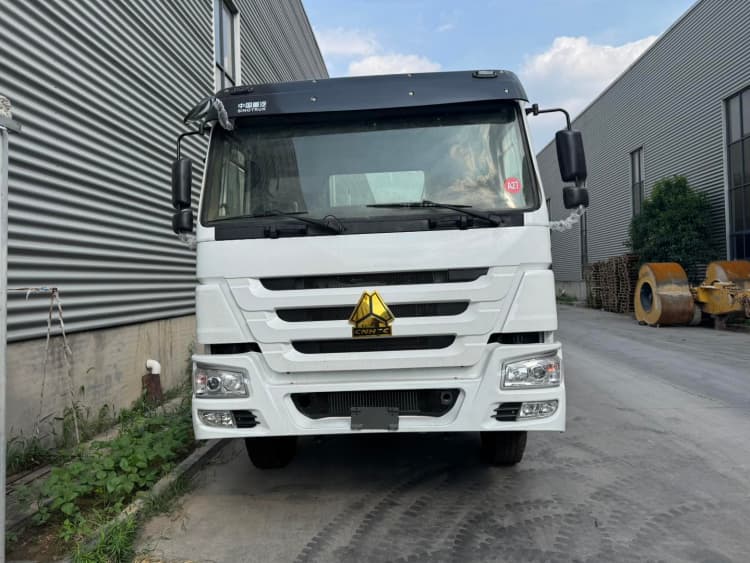
Every reusable frame gets a dedicated inspection record linked to the vehicle VIN.
- NDT scan logs, thickness readings, dimensional reports and any approved repair records stay in the asset dossier.
- For fleet buyers, this documented structural validation is the key differentiator between a verified reman chassis and an unvetted second-hand frame. A fully documented reusable frame supports stable residual value and reduces liability risk during resale.
Closing
In verified remanufacturing, the chassis frame and its factory crossmembers and brackets are reused only after proving they retain original strength, geometry and fatigue margin via NDT and precision measurement. They are prioritized for reuse because they carry the largest embedded material, energy and cost value in the truck.
Surface attachments and wear-prone bushings are replaced, while damaged or overstressed structural sections are scrapped. Frame reuse is not about saving any and every old frame — it is about preserving structurally sound OEM backbone assets, safely and predictably, within the REMAN ROAD standard.